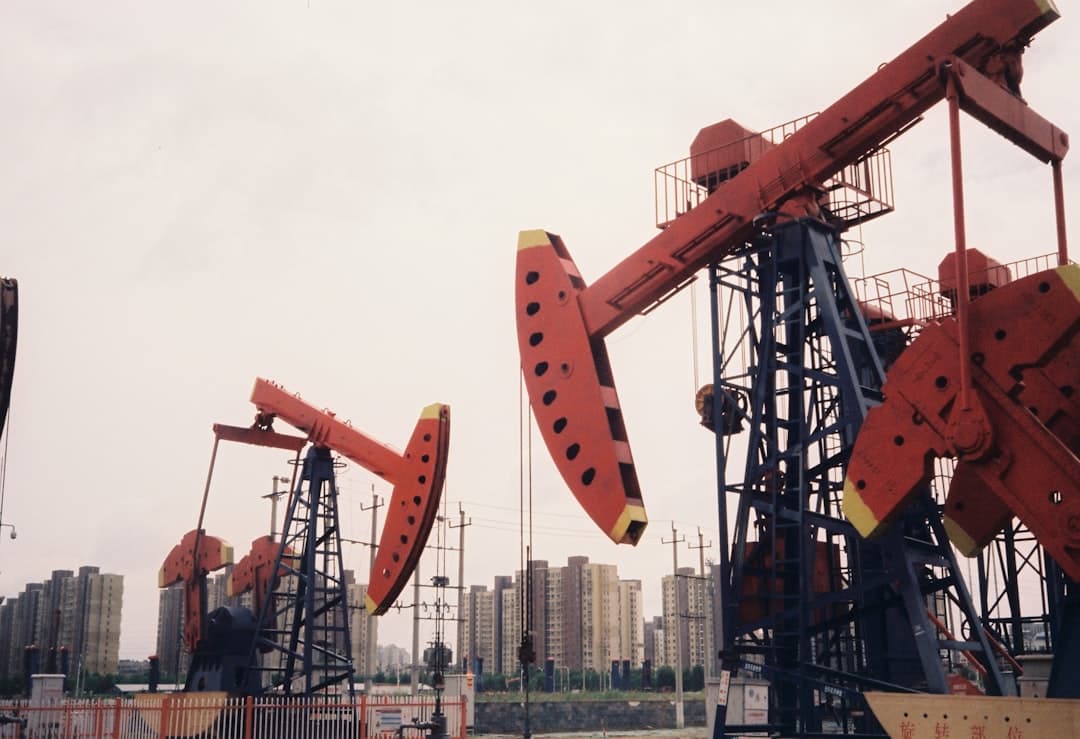
Seventy percent of India's crude oil now bypasses the Strait of Hormuz. That figure was 55% three months ago, before the U.S.-Iran conflict turned the world's most critical energy chokepoint into a geopolitical minefield. The shift is not a choice. It is a scramble.
Indian refiners turned to imports from Latin America and Africa after supplies from the Middle East were disrupted as the Israeli-U.S. war on Iran restricted shipping in the Strait of Hormuz, with refiners raising imports from Venezuela, Brazil, Angola and Nigeria in April and May, according to Reuters . The country consumes roughly 5.5 million barrels of crude oil per day, with Russia accounting for more than one-third of India's total crude import volume . But rerouting supply chains is only half the battle. The other half is paying for it -- and that bill is coming due in ways that are reshaping India's entire energy consumption model.
Can Austerity Slow a $100 Billion Import Bill?
According to Kpler, India's refined products demand growth will now come in at just 77,000 barrels per day in the current year, down nearly 40% from its previous forecast of 128,000 barrels per day . The downgrade is not a reflection of slowing economic activity alone. It is the result of deliberate policy intervention. Petrol and diesel prices have been hiked by about Rs 5 per litre each in three instalments since May 15 as oil companies passed on a part of soaring international oil prices to consumers, just as Prime Minister Narendra Modi urged citizens and government departments to conserve fuel, encourage remote working and reduce non-essential travel .
The measures are blunt but necessary. The rupee has weakened roughly 6% since the start of the conflict and 10% over the past year, while foreign exchange reserves have reportedly fallen approximately 4.3% since late February as authorities attempt to stabilise the currency, contain imported inflation, and limit volatility in domestic fuel prices . India's economy is already feeling the heat from high oil prices, with foreign exchange reserves shrinking from $728 billion at the end of the fiscal year to $691 billion by mid-May -- a $37 billion hemorrhage in less than three months.
The government's calculus is stark: preserve foreign exchange and protect state-run retailers from soaring import costs, even if it means throttling fuel demand growth. Recent austerity measures suggest Indian policymakers are increasingly prioritising macroeconomic stability, inflation management, foreign exchange preservation and fuel supply security over near-term transportation fuel growth, though the measures are unlikely to trigger outright demand destruction , according to energy analysts.
What Happens When You Ban Backup Fuel?
India is not stopping at voluntary conservation. Under new rules issued in March 2026, households that already have a piped natural gas connection may no longer be eligible to retain domestic LPG connections or apply for LPG refills through government-backed oil marketing companies and distributors . The policy, part of a broader "One Household, One Gas Connection" initiative, is designed to prevent subsidy leakage and reduce LPG imports -- 60% of India's domestic LPG is imported .
The move forces households to choose: piped gas or cylinders, but not both. Under the Natural Gas and Petroleum Products Distribution Order, 2026, announced in March, households were given 90 days to transition to PNG wherever infrastructure is available -- a deadline that expires at the end of June. For millions of urban households that relied on LPG as a backup during PNG supply disruptions, the new rule eliminates redundancy at precisely the moment when energy security feels most fragile.
The timing is revealing. Recent conflicts in the Gulf have brought LPG supply dynamics into sharper focus, with temporary supply constraints along the Strait of Hormuz tightening LPG availability and pushing up international prices, leading to an increase of INR 60 per 14.2 kg cylinder on March 7, 2026 . The government is betting that consolidating demand onto piped infrastructure will reduce import exposure. But it is also betting that the infrastructure will hold.