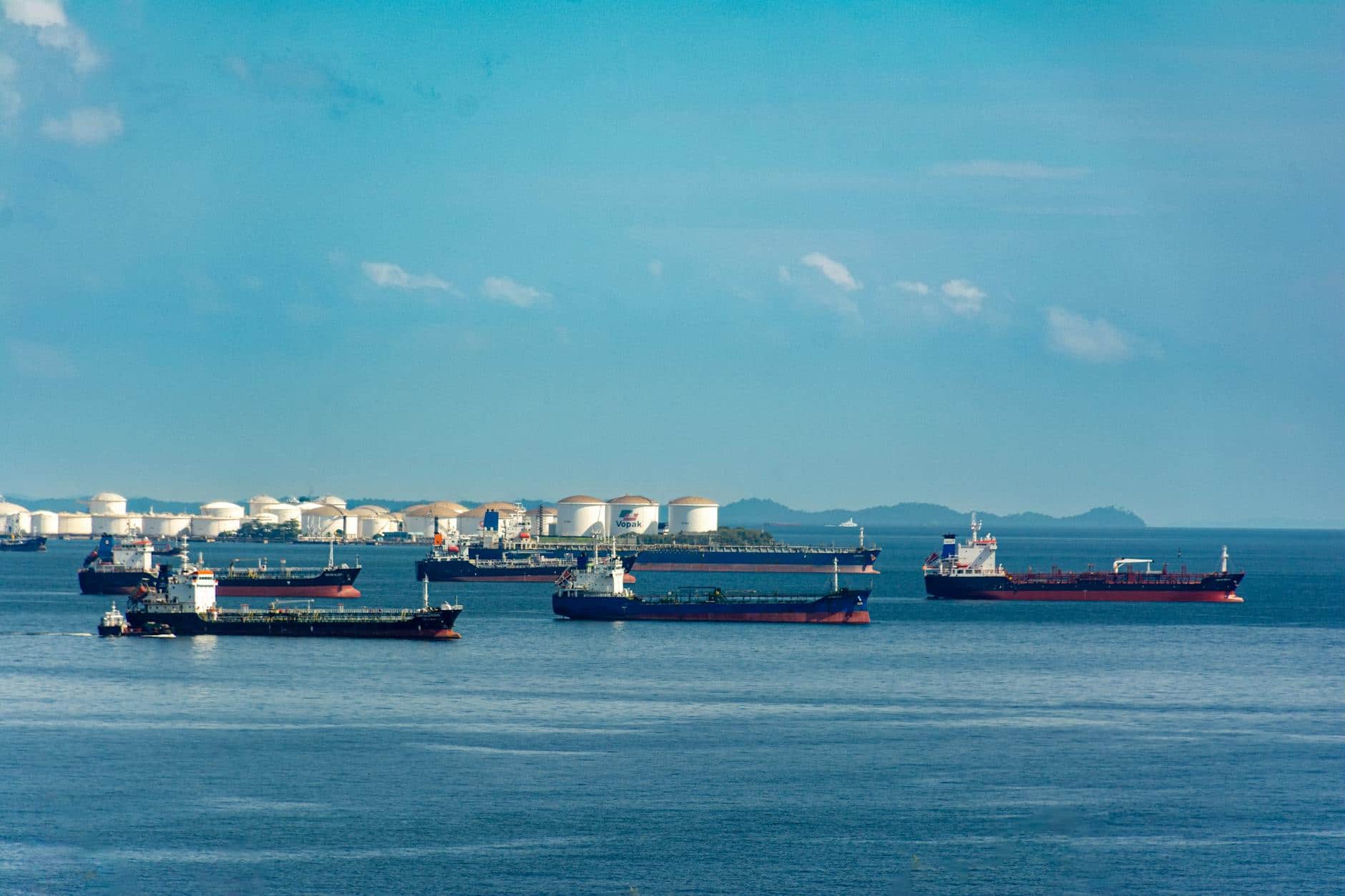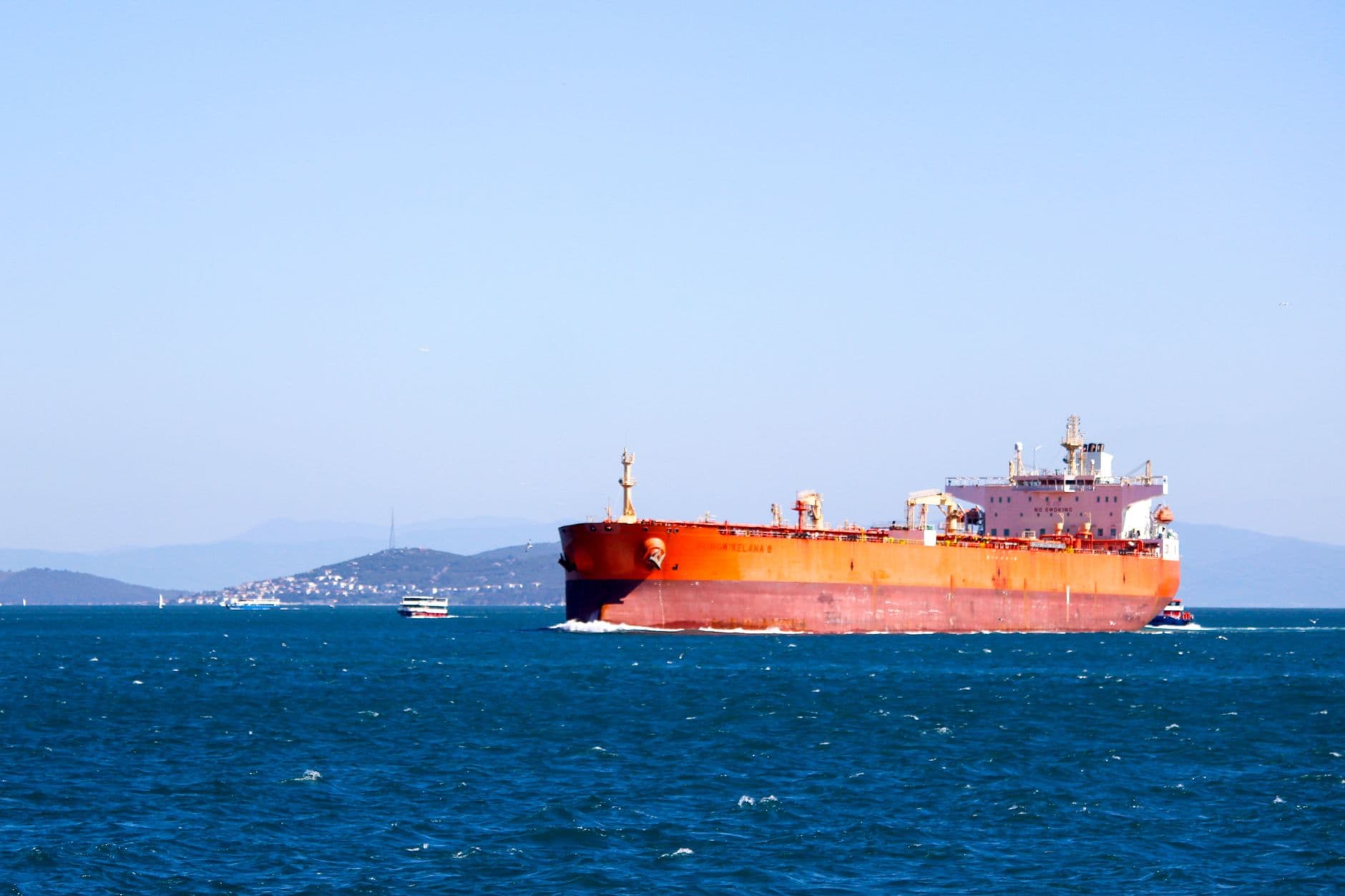
Seven kilometers. That is how close a slick of Russian crude has drifted toward Oman's southern coast, and the gap is closing. The oil is leaking from the Caroline Bezengi, a tanker grounded near the Hallaniyat Islands, a nature reserve Sultan Haitham bin Tarik created by royal decree last year specifically to protect the Arabian Sea's humpback whales and its Socotra cormorants. On Monday, Oman's Environment Authority confirmed the slick has grown to some 390 square kilometres (150 square miles), adding that there was no concern for facilities in the area including water desalination plants and tourist facilities. Greenpeace puts the number higher still: roughly 600 square kilometres, citing analysis of satellite imagery.
The spill is the most visible casualty yet of a maritime standoff that has now stretched past five months with no resolution in sight. The Caroline Bezengi is not some innocent bystander caught in crossfire — it is part of the so-called shadow fleet of older oil tankers used by Russia which lack Western insurance cover and sail under the flags of various nations to obscure their true ownership. It is loaded with close to one million barrels of Russian oil bound for Asia and first reported difficulties on June 8 off Yemen, with two maritime security sources saying initial assessments indicated a blast had occurred onboard. Nobody has claimed the attack. The vessel had loaded at Russia's Black Sea port of Novorossiysk in April and passed through the Suez Canal at the end of May before it ran into trouble in waters that have become, since March, a war zone by any other name.
What makes the spill matter beyond one stretch of Omani coastline is what it says about the paralysis gripping the world's most important oil chokepoint. Bank of America's Francisco Blanch told CNBC on Monday that only around 5 to 10 ships per day are currently passing through Hormuz, compared with roughly 140 before the war — a collapse of more than 90 percent in the traffic that once carried a fifth of the planet's oil consumption. Blanch's math is blunt: normalizing prices requires roughly ten times the current flow. His price call is equally blunt. "We've been expecting oil to be in the $70 to $80 a barrel range for Brent on the assumption that we were going to see some resolution," he said. "But if we don't, we're going to keep creeping higher into the winter." Brent last traded at $88.90/bbl/bbl per the latest EIA data, down -8.30%, while WTI sat at $81.96/bbl/bbl, off -4.87% — figures that lag the market by several days and do not yet capture Monday's fresh bout of nerves over Hormuz.
Those nerves have good reason to exist. Iran spent the weekend hardening, not softening, its position. Foreign Minister Abbas Araghchi said talks with Oman over a new shipping corridor were "approaching the final stages," but added the reopening of Hormuz "is subject to other conditions and compensation for the violation" of a June agreement. Supreme National Security Council secretary Mohammad Bagher Zolghadr spelled out what that means in practice: the U.S. would need to permanently end the war, lift its naval blockade, withdraw its forces, end all sanctions, free Iran's frozen assets, pay war reparations, end threats and insults, and stop military action against Iran's militia allies around the region before Iran would open the strait. Iran's Foreign Ministry spokesman Esmail Baghaei added Monday that the U.S. must lift its blockade before Tehran would agree to fully open Hormuz. Washington, for its part, sounds in no hurry either. Trump told Axios on Sunday that the U.S. is "only semi-negotiating" with Iran, indicating he would rely on the naval blockade to pressure Tehran rather than another wave of airstrikes.
A slick that keeps moving
Back in the Arabian Sea, the monsoon is not cooperating. Omani officials say the monsoon season is hampering response efforts, with authorities exploring "engineering interventions" to address damage to the stricken vessel's hull, while the slick is "advancing along a consistent trajectory" and could drift more than 120km within two days. Tony Gutierrez, a professor of environmental microbiology and biotechnology at Heriot-Watt University, has seen this pattern before. Spraying dispersant from aircraft and deploying booms can contain the damage if the oil stays offshore, he said — but once it reaches shallow water, the math changes. "You could find oil still there years later. And that's what happened with Exxon Valdez. Ten years down the line, there still were remnants of oil," he said, invoking the 1989 Alaska disaster whose scars outlasted a generation.
The strait's blockade was supposed to be temporary, a pressure tactic in a war everyone assumed would end in weeks. Five months on, a sanctioned tanker nobody will admit to attacking is spilling Russian crude onto a whale sanctuary nobody asked to be a battlefield, and the ships that might otherwise be moving that oil somewhere useful number in the single digits per day. The Hallaniyat Islands did not sign up for this war. Neither, increasingly, does anyone paying for gasoline.