Oil & Gas · Analysis
Saudi Arabia Prices Itself Out
Saudi crude exports have hit historic lows as the kingdom's premium pricing destroys demand across Asia. Meanwhile, legal disputes over failed deliveries are piling up faster than the oil that never shipped.
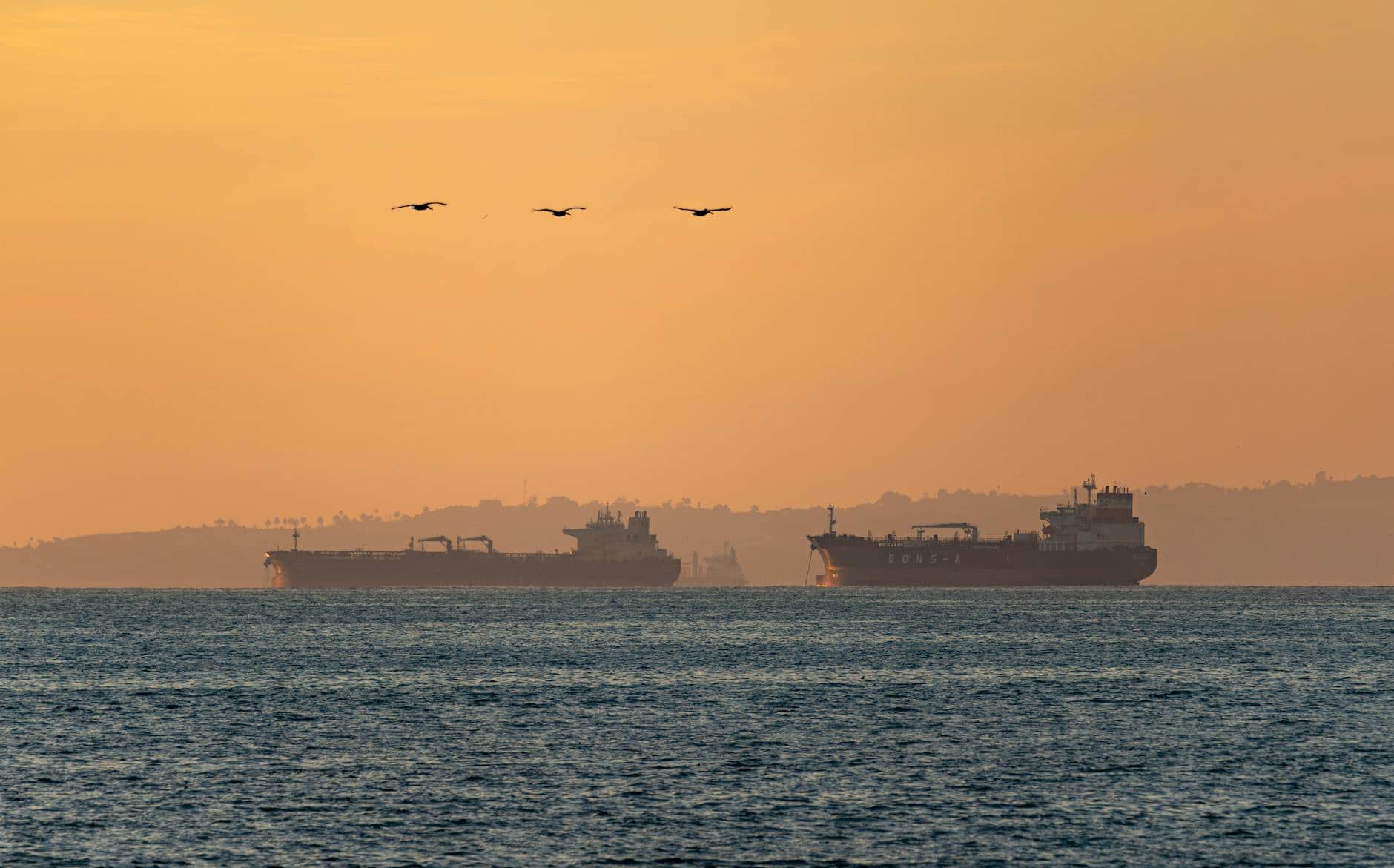
Saudi Arabia's May crude exports are running at 3.9 million barrels per day. That is the lowest figure on record—and roughly half what the kingdom shipped in February, before the Strait of Hormuz closed.
The collapse is not just about blocked shipping lanes. Saudi Arabia has infrastructure to bypass Hormuz entirely, routing crude through its East-West pipeline to Red Sea ports. The real problem is price.
Arab Light differentials jumped from around $2 per barrel in March to $20 per barrel in April and $16 per barrel in May
, OilPrice.com reported. At those premiums, buyers are walking away.
China's expected June intake of Saudi crude is set to fall to roughly 600,000 barrels per day, about half April's level
, according to the same analysis. That is enough oil to run a mid-sized refinery—or lose a customer worth $2 billion per month.
The kingdom designed its pricing formula to capture maximum value in tight markets. It worked. Perhaps too well.
At a moment when refiners are losing money and crude buyers are hunting for discounts, the most expensive secure barrel can quickly become the easiest one to defer
, the report noted. Infrastructure alone does not guarantee demand when the invoice says $16 over benchmark.
Who Pays for the Cargo That Never Sailed?
While Saudi Arabia grapples with pricing, the legal fallout from Hormuz is metastasizing.
Some of the biggest names in oil trading are becoming embroiled in a complex web of disputes that could be worth many billions of dollars, as the industry wrangles over who should be liable for contracted shipments that weren't delivered as a result of the Iran war
, according to industry executives cited by TT News.
In one example, a unit of PetroChina Co. has clashed with Shell Plc over a cargo of Emirati crude that was due to load in March. TotalEnergies SE is also in dispute with Shell over several other Middle Eastern energy trades
, people familiar with the matter told the publication. The disputes hinge on force majeure clauses, contract termination rights, and whether buyers were genuinely unable to secure ships—or simply unwilling to pay the insurance premiums.
Complicating the situation is the fact that cargoes of oil are typically bought and sold many times before any oil is actually loaded onto a tanker, creating a web of interconnected exposures
, the report explained. One failed 500,000-barrel delivery can trigger claims across five counterparties.
Several of the people said that the proliferation of disputes over contracts that generally refer to English law meant it had become hard to find major law firms in London to take on new cases, as many of them were already representing another party in the conflict
.
The legal architecture underpinning these disputes is itself contested.
On the strict terms of international maritime law, both blockades are legally problematic. Iran's closure of the strait to commercial traffic violates the right of transit passage enshrined in UNCLOS and reflected in customary international law
, according to legal analysis from Penningtons Law. Yet enforcement is another matter.
On 7 April 2026, Russia and China vetoed a UN Security Council resolution aimed at protecting commercial shipping in the strait
, the firm noted.
Can Brazil Rewrite the Rare Earths Playbook?
Amid the chaos in the Gulf, Brazil is making a different kind of sovereignty play.
Brazilian President Luiz Inácio Lula da Silva has explicitly linked oil exploration and rare-earth mining to Brazil's national sovereignty, declaring that the country's subsoil resources must be used to drive domestic industrialization rather than enrich foreign nations
, OilPrice.com reported.
The president declared that Brazil has "no vetoes and no preferences", saying that companies from the United States, China, Germany, France or Japan are all welcome to invest. However, there's a catch: all processing and refining of rare earths must happen on Brazilian soil
, according to the report.
Brazil holds the world's second-largest reserves of rare earths and graphite and is the third-largest holder of nickel
, the South China Morning Post noted. The elements are critical for electric vehicle motors, wind turbines, and missile guidance systems.
On Tuesday, the lower house of Brazil's Congress approved a bill to create a national critical minerals policy, including a US$2 billion guarantee fund and US$5 billion in tax credits over five years to encourage domestic processing
, the SCMP reported. Lula told Trump about the legislation during their White House meeting earlier this month. The message was clear: Brazil will not repeat the colonial pattern of exporting raw materials only to import finished goods at markup.
The UK, meanwhile, is tightening the screws on its own energy sector—though for fiscal rather than strategic reasons.
British finance minister Rachel Reeves has announced a change to how oil and gas companies' profits are taxed, in order to help fund a package of cost-of-living measures. The UK government's plans to reform the so-called foreign branches exemption, closing a tax loophole that allows companies to offset overseas losses and reduce the amount of tax paid in the UK
, RTE reported.
Reeves said closing the loophole was expected to raise hundreds of millions of pounds per year
, according to Devdiscourse.
What Changed This Week
Oil rose after three days of declines, as statements by Iran on uranium and the Strait of Hormuz pared earlier optimism over progress in the negotiations with the US. Iran said the latest proposal from the US partly bridged the gap between the warring sides, but comments from the Islamic Republic's Supreme Leader about keeping Tehran's uranium stockpile and a dispute over tolls in the Strait of Hormuz clouded the outlook for a breakthrough
, Bloomberg reported Thursday. Brent crude traded above $75 per barrel Friday, according to market data—well below the $105 levels seen earlier this week, but still elevated by pre-war standards. Saudi Arabia's export crisis deepened as Asian buyers continued cutting nominations for June loadings. And the legal disputes over failed deliveries moved from backroom negotiations to formal arbitration proceedings.
What to Watch
U.S.-Iran negotiations remain the critical variable. Any breakthrough that reopens Hormuz would collapse Saudi premiums overnight and potentially resolve thousands of contract disputes through resumed performance. Conversely, a collapse in talks would push Brent back toward $110 and cement Saudi Arabia's pricing power—at the cost of long-term market share. Brazil's rare earths legislation now moves to the Senate; passage would formalize the domestic processing requirement and set the terms for what could become a $10 billion investment cycle. And in London, the first major arbitration hearing over a disputed Murban cargo is scheduled for early June, which will establish precedent for how force majeure claims are treated when infrastructure exists but insurance markets freeze.