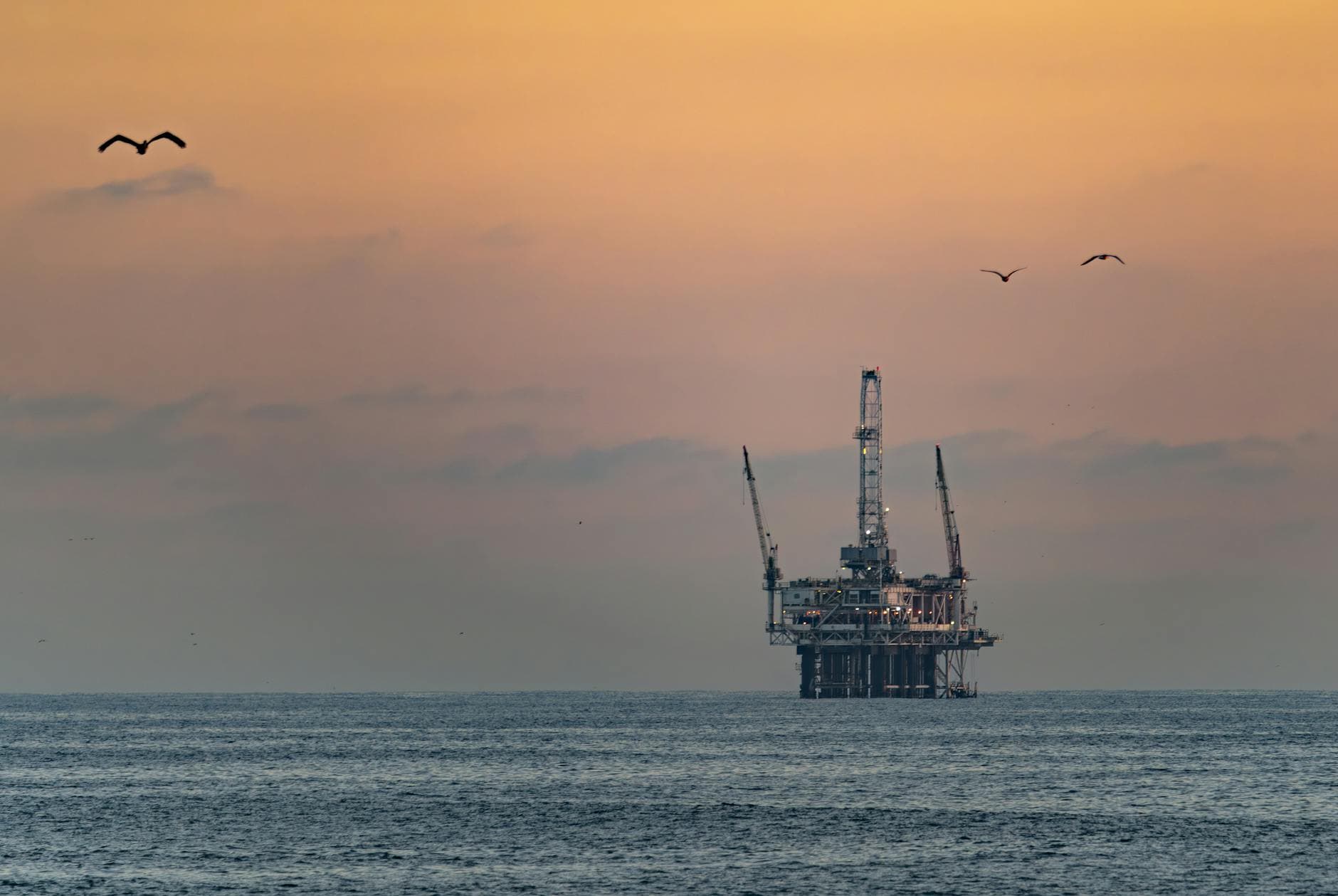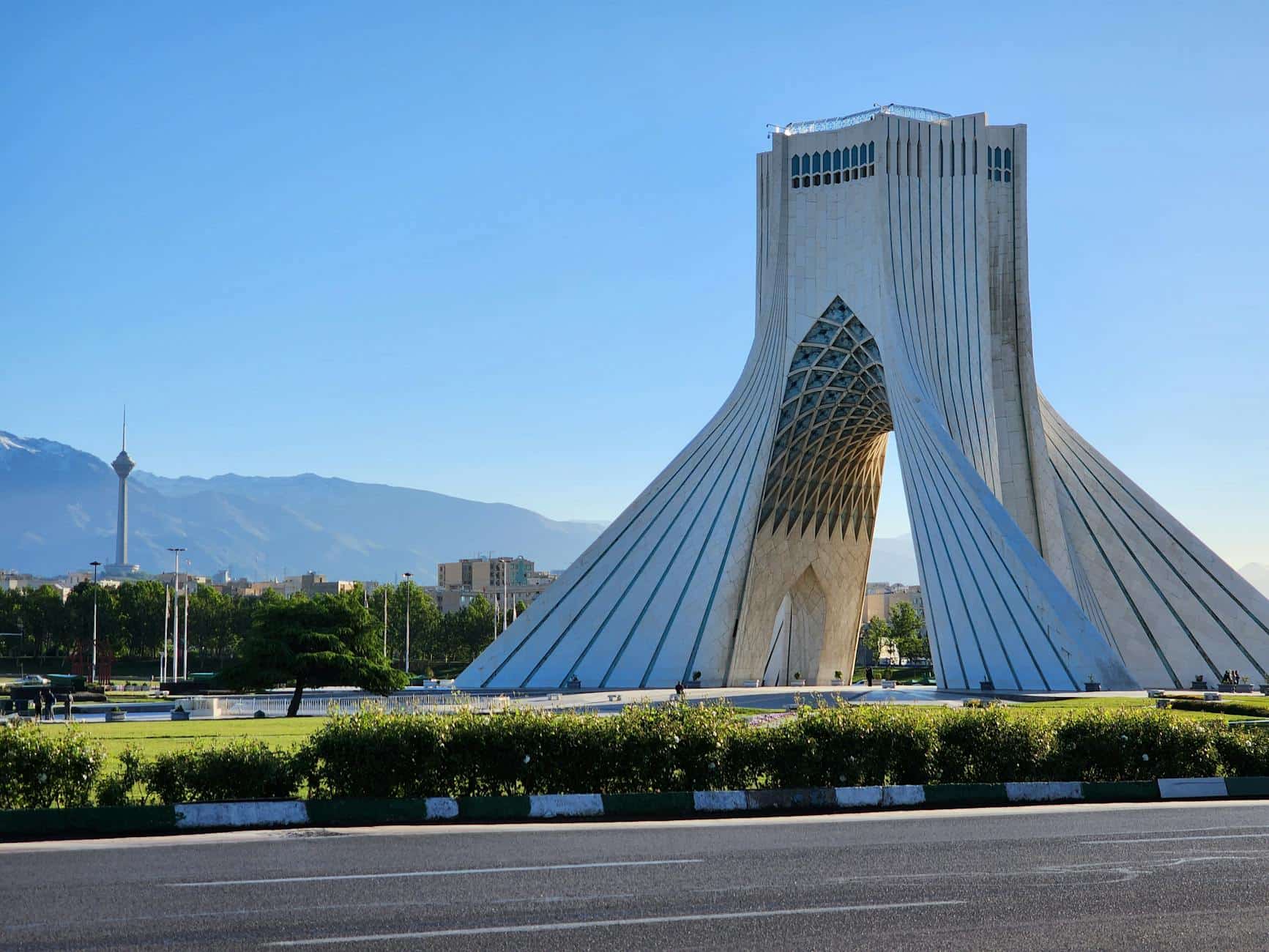
President Donald Trump said his patience with Iran is running out, even as the Strait of Hormuz remains largely blocked more than two months after the conflict began, when about 25% of the world's seaborne oil trade and 20% of global LNG passed through the waterway.
Trump said the ceasefire with Iran is "on life support" and "unbelievably weak" after the two sides exchanged fire over the weekend.
According to OilPrice.com, Brent crude was set for a 6% weekly gain as Trump told Fox News on Thursday "I am not going to be much more patient," adding "They should make a deal." According to market data, Brent crude traded at $110.91 per barrel on Thursday, up 0.6%, while WTI crude stood at $104.66 per barrel, up 0.1%.
Before U.S. and Israeli military operations began against Iran on February 28, 2026, about 130 ships transited through the Strait of Hormuz daily, but since the start of operations and continuing as of May 3, a much lower number has risked the transit each day for fear of attack by Iranian forces.
Can Diplomacy Break the Deadlock?
CNN reported that Trump has grown increasingly frustrated with how the Iranians are handling negotiations to end the war, and some Trump aides say he is now more seriously considering a resumption of major combat operations than he has in recent weeks, with Trump growing impatient with the continued closure of the Strait of Hormuz.
The Trump administration is draining America's emergency oil stockpile at the fastest pace on record, with the Strategic Petroleum Reserve plunging by 8.6 million barrels last week, according to CNN.
This marks the most on records that go back to the early 1980s, surpassing the prior record set in September 2022 under President Joe Biden.
According to estimates from Kpler cited by CNN Business, there are about 170 million barrels of crude oil, jet fuel, diesel and other refined products stuck in the Middle East aboard 166 tankers, and Kpler's lead oil analyst Matt Smith said "It could be a very laborious process to get laden tankers out of the Mideast Gulf" given that traditional shipping lanes are not being used for fear of mines, with Kpler estimating it could take up to three months once the Strait of Hormuz is fully reopened.
India Finally Raises Fuel Prices
For the past 49 months, petrol and diesel prices at Indian fuel pumps had not moved up, but on Friday, May 15, 2026, that record freeze ended when state-owned oil companies Indian Oil Corporation, Bharat Petroleum and Hindustan Petroleum raised petrol and diesel prices by ₹3 per litre each, marking the first such hike in more than four years, according to The Week.
In Delhi, petrol now costs ₹97.77 per litre (up from ₹94.77) and diesel ₹90.67 (up from ₹87.67), while Mumbai petrol is ₹106.68, Kolkata ₹108.74, and Chennai ₹103.67.
According to the Associated Press, India imports about 90% of its oil and has been hit hard by rising energy prices and supply disruptions linked to the Iran war and the closure of the Strait of Hormuz, and it had until now avoided raising retail fuel prices despite sharp increases in energy costs, making it one of the last major economies to pass higher crude prices on to consumers.
Business Standard reported that India's state-run oil marketing companies are bleeding nearly ₹30,000 crore every month as they continue shielding consumers from surging global crude oil prices, with Indian Oil Corporation, Bharat Petroleum Corporation and Hindustan Petroleum currently selling petrol, diesel and domestic LPG below international benchmark-linked costs.
Canada Rethinks Trans Mountain Sale
Canada may keep the Trans Mountain pipeline state-owned after its owner said there is merit in holding onto a strategically important asset, with Elizabeth Wademan saying the prior plan was to return it to private hands, but the market around the pipeline has changed as oil flows to Asia strengthen, according to multiple reports.
Ottawa bought the Trans Mountain pipeline for $4.5 billion in 2018 after Kinder Morgan Canada walked away from an expansion project amid fierce environmental opposition and court challenges, and it ended up costing more than $34 billion by the time it started up in May of 2024, according to BNN Bloomberg.
Mark Maki, the president and CEO of Trans Mountain, said it's a "sovereign pipeline" that operates almost entirely within Canada and that it's an "incredibly strategic asset" to the country, while Wademan said there's a case for the federal government to be a long-term holder in the Trans Mountain pipeline and she "personally would love to see it owned by Canadians."
The expanded line now moves 890,000 barrels daily after launching in May 2024, three times its original capacity.
Prime Minister Mark Carney said on Thursday that Canada and Alberta will meet on Friday and advance a potential pipeline to transport at least one million barrels of Alberta oil a day to new markets, according to Reuters.