Friday, July 3, 2026Vol. III · No. 184Subscribe
The Mining, Energy & Technology Wire
Markets · Analysis

Oil's Four-Week Slide Deepens

Brent crude trades at $75.20/bbl, up +0.51% today but down for a fourth straight week as Hormuz flows surge and Citigroup warns prices could sink to $60 by year-end.

Oil's Four-Week Slide Deepens
PhotographBrent crude trades at $75.20/bbl, up +0.51% today but down for a fourth straight week as Hormuz flows surge and Citigroup warns prices could sink to $60 by year-end.

Brent crude closed at $75.20/bbl per barrel on Thursday, up +0.51% in thin holiday trading. WTI settled at $71.50/bbl, gaining +0.63%. Both benchmarks are on track for their fourth consecutive weekly loss, according to market data—a slide that has erased nearly all the war premium built up since February.

Oil flows through the Strait of Hormuz have surged past 10 million barrels per day with American military support, a U.S. official told Bloomberg . That's half the pre-war level, but enough to flip the market from scarcity to glut. Saudi Arabian crude exports have climbed to 90% of their pre-war level, and the prompt spread for Brent has been in contango—a sign of oversupply—for much of this week, Bloomberg reported . When near-term oil is cheaper than future contracts, it means traders see more barrels than buyers.

How Low Can It Go?

Citigroup says Brent could plunge to as low as $60 per barrel by year-end, recommending clients "sell any summer rallies," according to a note carried by Bloomberg . The bank expects the U.S.-Iran memorandum of understanding to hold and turn into a deal over the coming months . Citi analysts including Francesco Martoccia wrote that "fundamentals are rapidly reasserting themselves," noting that shipping flows are normalizing, Chinese buyers remain absent, physical crude markets have weakened sharply, and inventories have drawn far less than expected .

Citi isn't alone. Goldman Sachs has warned that the global oil market is poised to return to oversupply as the Iran conflict fades and Hormuz traffic recovers, while Morgan Stanley has cut its oil price forecasts twice in recent weeks, citing mounting oversupply risks . The chorus is bearish, and the curve agrees. Brent futures are trading in a bearish contango price structure that signals short-term oversupply, with discounts on the closest contracts, and premiums for physical crude have also plunged in recent days .

The problem is simple: the barrels that were trapped behind the blockade didn't vanish. A gush of oil is entering the market at a time when many of the wartime supply workarounds are still in place—including releases of emergency reserves and depressed imports by China . HSBC researchers described a "mini-glut" as the reopening of the Strait of Hormuz translates into a near-term supply overhang of Middle East oil, entering a market with lower demand thanks in part to China slashing imports .

Can Canada Fill the Asian Gap?

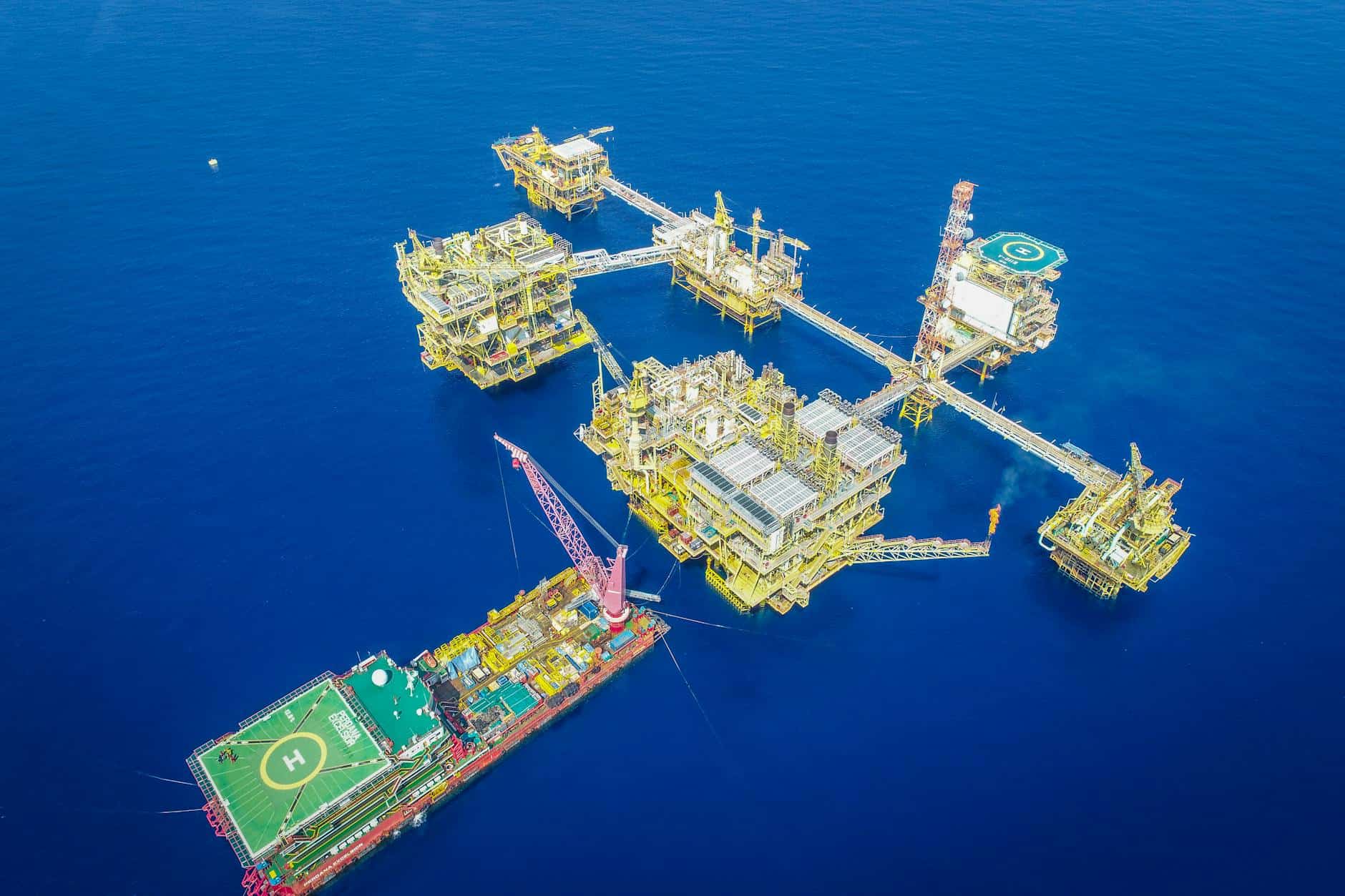
While the Gulf floods the market, Canada is betting on the opposite problem: too much oil, not enough export capacity. Prime Minister Mark Carney and Alberta Premier Danielle Smith presented a proposed pipeline route this week that would add over one million barrels per day of tanker-loading capacity from southern British Columbia, extending from Bruderheim, northeast of Edmonton, to the southern B.C. coast . The pipeline is expected to carry 1 million barrels of oil per day to the Pacific coast, allowing Canada new access to Asian markets and reducing its economic dependence on the United States, with Carney setting a goal to double Canada's non-U.S. exports in the next decade .

The timing is deliberate. Since the Trans Mountain expansion opened through the B.C. southern coast in 2024, roughly two-thirds to three-quarters of the crude shipped from Canada's Pacific Coast has gone to Asia, helping Canada reduce its dependence on the U.S. market . The new line would follow the Trans Mountain corridor, sidestepping the environmental and Indigenous opposition that killed the Northern Gateway project. It's a rare moment of federal-provincial alignment in Canadian energy policy—and a direct response to trade hostilities with Washington.
Why Japan Is Burning More Coal

Asia isn't just buying Canadian crude. It's also ditching liquefied natural gas. Japan generated 17.3 terawatt-hours from gas-fired power plants in June, down 16% from June 2025, while coal-fired generation rose 4.6%, according to data from the nine largest Japanese power utilities, Bloomberg reported . The shift comes amid LNG prices that are 70% higher on the spot market in Asia than they were before the U.S. and Israel first launched missile attacks on Iran .

In the quarter to June, Japan's imports of LNG were down 7% on the year, Bloomberg noted, citing cargo-tracking data . Coal is dirty, but it's available and cheap. Asian LNG spot prices are about 70% higher than pre-war levels, making the fuel less attractive to Japanese utilities . The economics are brutal: when LNG costs spike and coal doesn't, utilities flip the switch. The energy transition takes a back seat to the electricity bill.

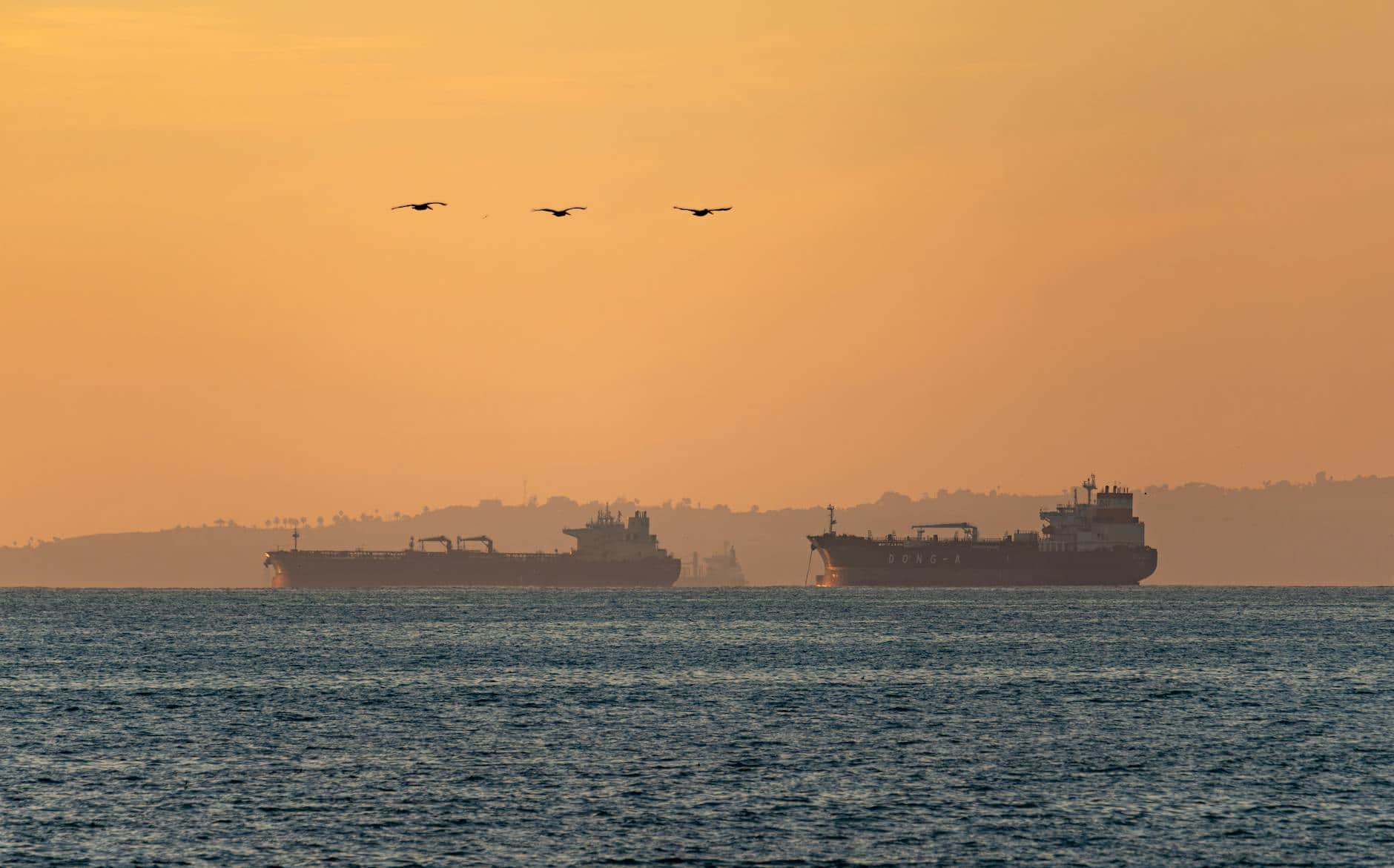
The irony is sharp. Russia, facing fuel shortages triggered by Ukrainian drone attacks on its refineries, has started importing fuel from India by sea, with an initial shipment of at least 60,000 metric tons (510,000 barrels) of gasoline dispatched from India via two tankers destined for Russian ports, Reuters reported . India's Oil Minister Hardeep Singh Puri said Indian refiners aren't directly selling fuel to Russia, but acknowledged that it is "possible that Indian-origin refined fuel is sold to Russia via traders" . Russia sells crude to India at a discount, India refines it, and some of that fuel circles back to Russia. The war has created its own supply chain.

What Changed This Week

Oil's war premium is gone. Flows through Hormuz have surged past 10 million barrels per day , and Saudi exports have climbed to 90% of pre-war levels . The market has flipped from backwardation—where near-term scarcity drives spot prices above futures—to contango, where oversupply weighs on the front of the curve. Investment banks that were modeling $150 Brent in a sustained closure are now forecasting $60 by Christmas. The four-week slide isn't a correction. It's a repricing.

What to Watch

The next inflection point is inventory data. The backlog of stranded tankers could be exhausted in around two weeks if recent transit levels hold, and countries' coordinated releases from strategic reserves will wind down later in July . If Chinese buying doesn't return and OPEC+ holds production steady, the glut deepens. If the U.S.-Iran talks collapse or the strait tightens again, the premium snaps back. Qatar said the next round of indirect talks would be scheduled after the funeral processions for Iran's former supreme leader Ali Khamenei, expected to begin July 4. Until then, the market is pricing peace—and oversupply.

Original reporting and analysis by the Stake & Paper editorial team. See linked sources within the article.

Share this story

More from Stake & Paper

Was this article helpful?

ClaimWatch

Mining claims intelligence — from query to report, in minutes.

Every unpatented mining claim across all twelve BLM states. Leadfile audits, due diligence, site selection, regional prospecting, entity investigations, and AOI monitoring — delivered as complete report packages.

4.4M+
Claims Tracked
12
BLM States
7
Report Types
Request a Sample Report
Stake & Paper AM

One morning brief. The whole energy sector.

Original analysis, the day's most important wire stories, and market data — delivered before your first cup of coffee. Free.