Friday, May 15, 2026Vol. III · No. 135Subscribe
The Mining, Energy & Technology Wire
Oil & Gas · Analysis

Oil Prices Climb as Hormuz Tensions Persist

Oil markets rose Thursday as President Trump warned his patience with Iran is running out, while Canada rethinks privatizing its Trans Mountain pipeline and Abu Dhabi commits $9.75 billion to a U.S. LNG project amid Middle East supply disruptions.

Oil Prices Climb as Hormuz Tensions Persist
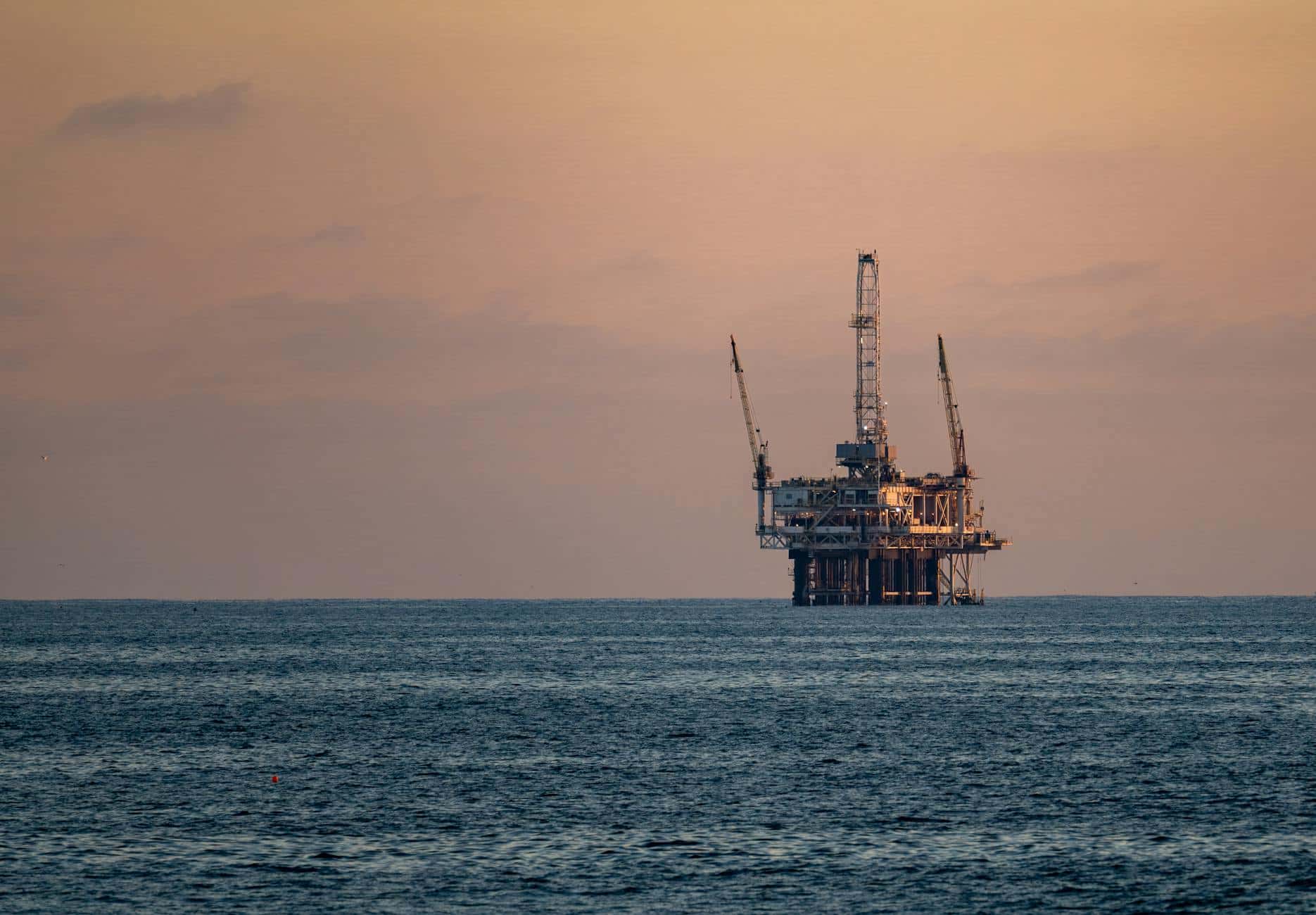
PhotographOil markets rose Thursday as President Trump warned his patience with Iran is running out, while Canada rethinks privatizing its Trans Mountain pipeline and Abu Dhabi commits $9.75 billion to a U.S. LNG project amid Middle East supply disruptions.

Oil prices edged higher Thursday as U.S. Treasury Secretary Scott Bessent told CNBC that China will use its influence on Iran to help reopen the Strait of Hormuz, calling it "very much in their interest to get the strait reopened."

President Donald Trump held talks with President Xi Jinping during a two-day summit in Beijing on Thursday, with a White House official saying the leaders agreed Hormuz needs to reopen.

According to market data, WTI crude traded at $71.50 per barrel on Thursday, up 0.6%, while Brent crude rose 0.5% to $75.20 per barrel. Iran has blockaded the strait since early March in response to U.S. and Israeli airstrikes that killed many of its leaders, including its head of state, Ayatollah Ali Khamenei, triggering the biggest supply disruption in history.

The U.S. has imposed a blockade against Iranian ports in an effort to pressure Tehran into an agreement, with no oil loaded at Iran's main export terminal, Kharg Island, in the past three days, Bessent said, adding that the U.S. believes Iran's storage tanks are full.

Can the UAE Fill the Supply Gap?

Abu Dhabi is accelerating construction of the new West-East pipeline to Fujairah as it looks to expand its oil export capacity and bypass the Strait of Hormuz chokepoint, with the project expected to come online in 2027 and double the Abu Dhabi National Oil Company's (ADNOC) export capacity.

Abu Dhabi Crown Prince Sheikh Khaled bin Mohamed bin Zayed Al Nahyan on Friday called for faster delivery of the pipeline to meet rising global energy demand, with ADNOC "well positioned as a responsible and reliable global energy producer, with the operational flexibility to responsibly increase production to meet market needs when export constraints allow."

The UAE's existing Abu Dhabi Crude Oil Pipeline (ADCOP), also known as the Habshan-Fujairah pipeline, can carry up to 1.8 million barrels per day.

The second pipeline project comes as global energy supplies remain under pressure, flows through the Strait of Hormuz are severely limited, and repeated attacks on energy infrastructure and shipping have curtailed the UAE's ability to restore normal output.

Meanwhile, Mubadala Energy, a wholly owned subsidiary of Abu Dhabi sovereign wealth fund Mubadala Investment Company, has joined other investors, including US-based alternative asset manager Kimmeridge and Canada's CPP Investments, in a $9.75 billion project financing for US energy firm Centaur's Commonwealth LNG export facility in Louisiana, with the new LNG plant having a production capacity of 9.5 million tonnes per annum.

The transaction garnered strong interest from both equity and debt investors, resulting in total commitments of $21.25 billion.

Why Is Canada Reconsidering Trans Mountain's Sale?

Canada may keep the Trans Mountain pipeline state-owned after its owner said there is merit in holding onto a strategically important asset, with Elizabeth Wademan saying the prior plan was to return it to private hands, but the market around the pipeline has changed as oil flows to Asia strengthen.

Ottawa bought the pipeline for $4.5 billion in 2018 to ensure the expansion would be built, with the projected cost of construction ballooning to more than $34 billion by the time it started up in May of 2024.

Maki says the Trans Mountain system has been carrying 850,000 barrels of crude per day from the Edmonton area to its docks in Burnaby, B.C., getting close to its capacity of 890,000 barrels per day.

Elizabeth Wademan, who leads the Canada Development Investment Corp., said recent geopolitical turmoil has underscored the importance of the pipeline, which delivers oilsands crude from Edmonton to a marine terminal in the Vancouver area, from which cargoes can be sent to Asia, adding "It has incredible value" and "There's absolutely a case to be a long term holder ... I personally would love to see it owned by Canadians."

The shift comes as Canada and the energy-producing province of Alberta will meet on Friday and advance a potential pipeline to transport at least one million barrels of Alberta oil a day to new markets, Prime Minister Mark Carney said on Thursday.
Leadership Shakeup at Pemex

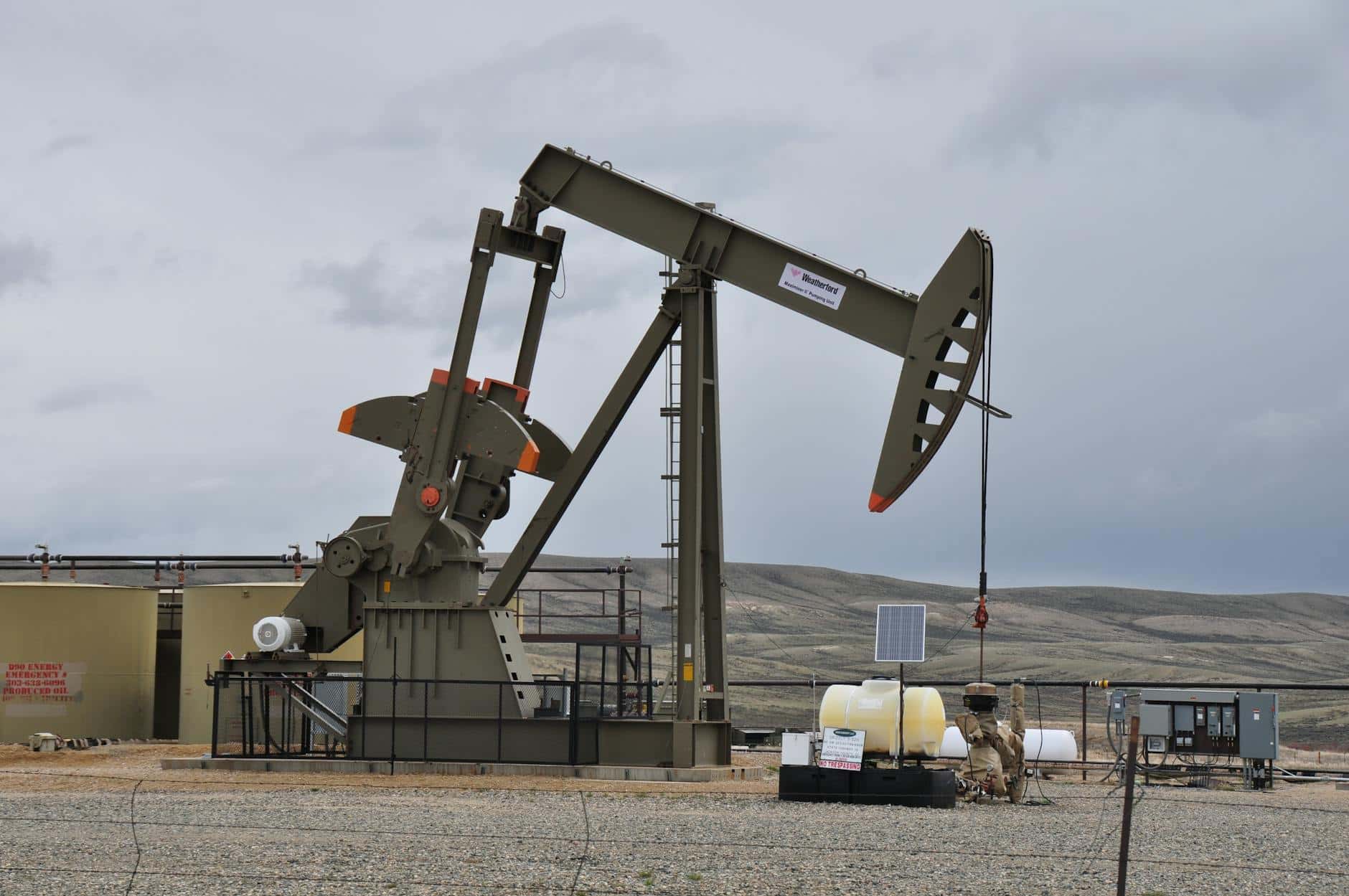
Mexican President Claudia Sheinbaum announced on Thursday that Pemex CEO Víctor Rodríguez is stepping down, naming the state oil company's chief financial officer, Juan Carlos Carpio, as his replacement, with the move coming after months of speculation over Rodríguez's future at Pemex, which has struggled with declining production, operational setbacks, and rising internal tensions.

According to the president, Rodríguez had accepted the position on the condition that he would remain in the role for only a year and a half, a request she said her administration was now honoring, with Rodríguez being an academic who, as Sheinbaum emphasized in the video, only took over the role at her request, and according to sources talked to by Reuters, he had attempted to resign twice last year, but the president persuaded him to remain both times.

Rodríguez Padilla highlighted that during his gestión se redujo la deuda financiera de Pemex en alrededor de 23 mil millones de dólares, hasta ubicarse en cerca de 75 mil millones, además de que se regularizó el pago a proveedores y mejoraron las perspectivas crediticias de la empresa por primera vez en más de una década.

British Gas Faces £90 Million Penalty

British Gas has agreed to a £20 million payout and to compensate customers who had a prepayment meter installed without their permission, regulator Ofgem has said following an investigation, with the watchdog finding that British Gas failed to protect vulnerable customers by forcibly fitting the energy meters into people's homes in previous years, with the energy supplier compensating customers who were affected in 2018-21, on top of payments that have already been made to those affected in 2022-23, and British Gas also writing off up to £70 million of energy debt for vulnerable customers as part of the agreement.

Tim Jarvis, the watchdog's chief executive, said: "It is clear that British Gas fell short in its treatment of an unacceptable number of vulnerable customers who had a prepayment meter installed without consent, and it's right that they've taken action to put things right," adding "Because of our action customers will receive a substantial package of redress, compensation and debt write off."

What Changed This Week

The energy landscape shifted dramatically this week as diplomatic efforts to reopen the Strait of Hormuz intensified, with China signaling willingness to pressure Iran while the UAE accelerated infrastructure to bypass the chokepoint entirely. Canada's sudden reconsideration of Trans Mountain privatization reflects how Middle East supply disruptions have elevated the strategic value of alternative export routes. Meanwhile, Abu Dhabi's massive bet on U.S. LNG infrastructure underscores Gulf producers' pivot toward diversifying their energy portfolios beyond regional constraints.

What to Watch

Watch for Friday's meeting between Prime Minister Mark Carney and Alberta officials to advance plans for a major new pipeline, with Carney also expected to unveil details of a new deal with Alberta on industrial carbon pricing.

Phase 1 of the Commonwealth LNG development is expected to generate more than $3 billion in annual export revenue when operations begin in 2030.

The UAE's West-East pipeline expansion supports a production capacity target of five million barrels per day by 2027, with the project expected to double export capacity through Fujairah. On the diplomatic front, all eyes remain on whether Trump and Xi's discussions yield concrete progress on reopening Hormuz, with oil markets likely to remain volatile until shipping lanes normalize.

Coverage aggregated and synthesized from leading energy-sector publications. See linked sources within the article.

Share this story

More from Stake & Paper

Was this article helpful?

ClaimWatch

Mining claims intelligence — from query to report, in minutes.

Every unpatented mining claim across all twelve BLM states. Leadfile audits, due diligence, site selection, regional prospecting, entity investigations, and AOI monitoring — delivered as complete report packages.

4.4M+
Claims Tracked
12
BLM States
7
Report Types
Request a Sample Report
Stake & Paper AM

One morning brief. The whole energy sector.

Original analysis, the day's most important wire stories, and market data — delivered before your first cup of coffee. Free.