Thursday, May 14, 2026Vol. III · No. 134Subscribe
The Mining, Energy & Technology Wire
Markets · Analysis

Oil Markets Face Historic Supply Crunch

Global oil markets are grappling with nearly 1 billion barrels in lost supply as the Iran war drags into its third month, while Trump and Xi meet in Beijing seeking energy deals amid mounting pressure on both leaders.

Oil Markets Face Historic Supply Crunch
PhotographGlobal oil markets are grappling with nearly 1 billion barrels in lost supply as the Iran war drags into its third month, while Trump and Xi meet in Beijing seeking energy deals amid mounting pressure on both leaders.

The oil market faces a shortage of nearly 1 billion barrels that will only get worse every day the conflict in the Middle East drags on, Shell CEO Wael Sawan told investors Thursday . According to market data, WTI crude traded at $71.50 per barrel on Wednesday, up 0.6%, while Brent crude stood at $75.20, gaining 0.5%—figures that belie the severity of what the International Energy Agency has characterized as the "largest supply disruption in the history of the global oil market" .

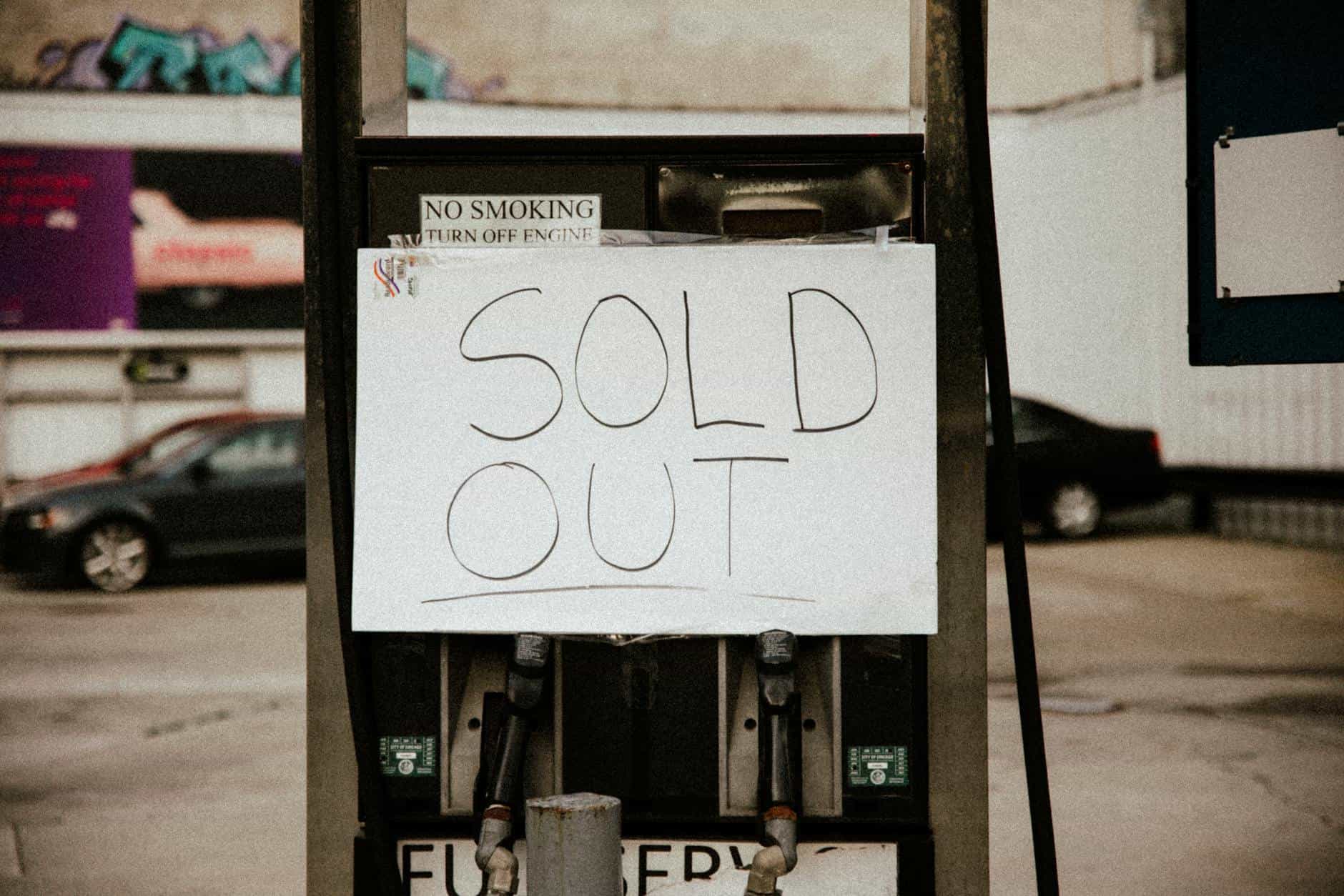
The market has already lost more than 1 billion barrels due to the Hormuz closure, with the total net loss so far at 880 million barrels , Saudi Aramco CEO Amin Nasser told investors on the company's first-quarter earnings call . The disconnect between supply fundamentals and price action has puzzled analysts. Since the U.S. and Israeli-led war against Iran started on Feb. 28, WTI and Brent are both up more than 45% , yet international benchmark Brent crude futures for July gained 3.4% to close at $107.77 a barrel on May 12, while U.S. West Texas Intermediate futures for June rose 4.2% to settle at $102.18 per barrel —far below the $150-plus levels some analysts expected.

Why Aren't Prices Higher?

Speculative traders are betting President Donald Trump will get out of Iran quickly, keeping a lid on oil prices , according to CNN Business. The market is "backwardated," meaning that futures prices are lower than current prices, partly due to investor optimism that the U.S.-Iran conflict will soon come to an end, with Wood Mackenzie believing that oil will start flowing again by late May .

But the buffers protecting markets are rapidly depleting. Morgan Stanley estimates global oil stockpiles dropped by about 4.8 million barrels a day between March 1 and April 25 — far exceeding the previous peak for a quarterly drawdown in data compiled by the International Energy Agency , Fortune reported. Exxon Mobil CEO Darren Woods warned that the disruption has been mitigated by the large number of loaded oil tankers that were in transit during the first month of the war, along with strategic petroleum reserves releases and commercial inventories drawn down . "One of these supply sources will become exhausted as the conflict goes on," Woods said, adding "There's more to come if the strait remains closed" .

The oil market will take until 2027 to normalize if the disruption in the Strait of Hormuz persists beyond the middle of June, Nasser warned, stating "If the Strait of Hormuz opens today, it will still take months for the market to rebalance, and if its opening is delayed by a few more weeks, then normalization will last into 2027" .

Can China Help Trump Reopen the Strait?

A White House official said the two sides agreed that the Strait of Hormuz must remain open to support the free flow of energy, and that Xi expressed interest in buying more American oil to reduce China's dependence on the Strait in the future , CNBC reported following Thursday's Trump-Xi summit in Beijing. Trump is expected to encourage Xi to push China-ally Iran to reopen the Strait of Hormuz and agree to a peace deal , according to CNN.

About half of China's crude oil imports come from the Middle East, while disruptions in the Gulf have left commercial shipping vulnerable to attacks and delays , Al Jazeera reported. Yet experts agree that China has the upper hand, as its exports have not suffered and it has developed a gas pipeline through Central Asia, securing some of its energy needs . "Right now is the best time for Xi to have this negotiation as the US is busy with wars, and domestically, Trump's rating is low, and he needs a win" , one analyst told Al Jazeera.

The energy stakes are high for both sides. "Iran war and global energy shortage means there are plenty of suitors for U.S. oil and LNG today, so there is less urgency on the U.S. side," said Chad Bown, a senior fellow with the Peterson Institute for International Economics , according to Axios.
Big Oil Pivots to New Frontiers

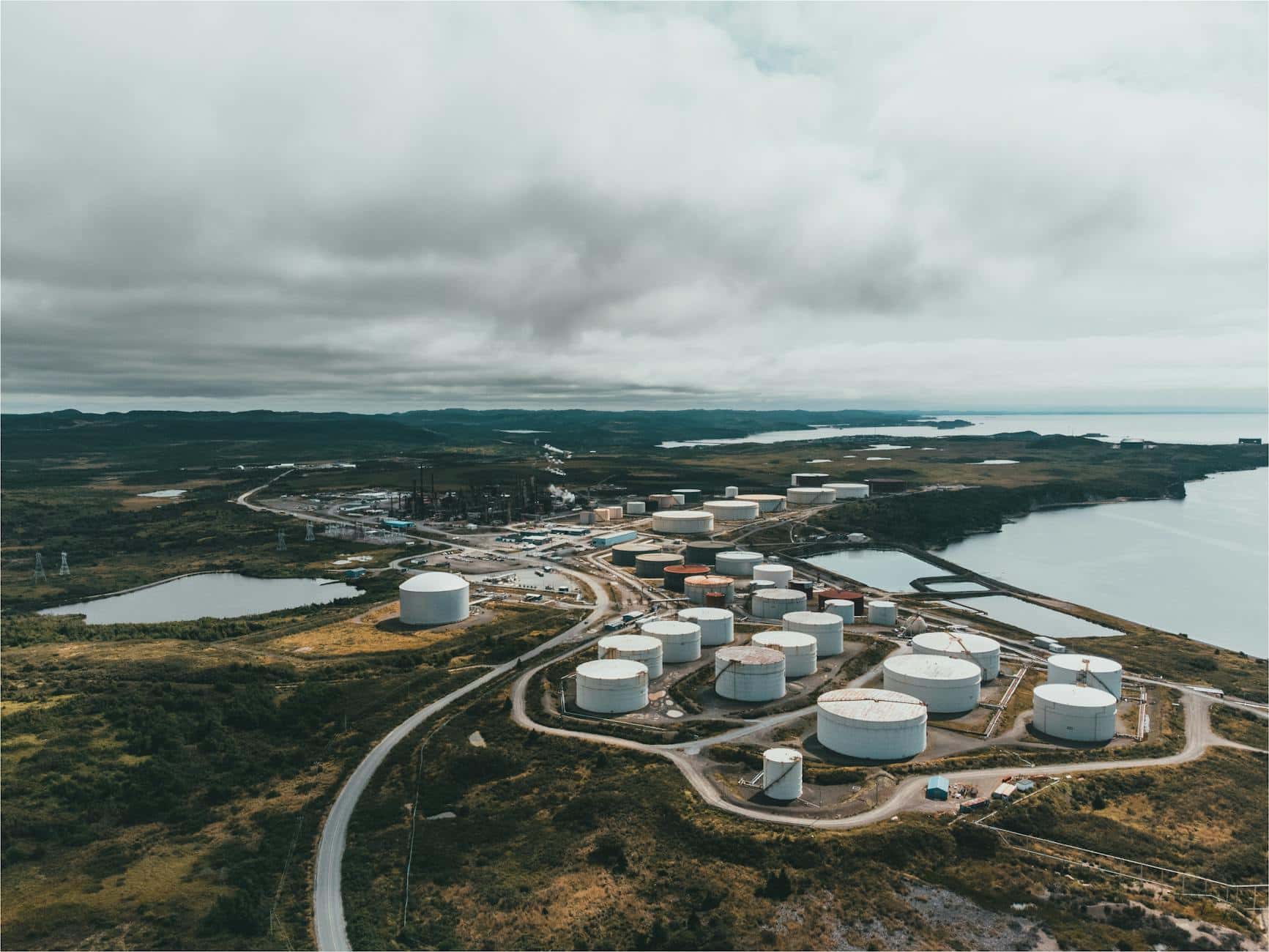
As Middle Eastern supply remains constrained, energy companies are reshuffling their global portfolios. Eneos Holdings said on Thursday it will buy Chevron's 50% stake in Singapore Refining Company and other assets in Southeast Asia and Australia for nearly $2.2 billion, with the deal expected to close in 2027 , Reuters reported. The refinery in Singapore can process 290,000 barrels per day of crude oil , and Chevron has been looking to divest refining and storage assets in Asia to streamline operations and reduce costs .

Meanwhile, the centerpiece of Suriname's commercial push is the GranMorgu project in Block 58, a $10.5 billion deepwater development operated by TotalEnergies with APA Corporation as partner, which in 2026 has moved from planning into execution and is targeting first oil in 2028 . The Financial Times highlighted the project in a recent film, noting that with a total investment of $10.5 billion, the GranMorgu project is of vital importance to Suriname, with between $1 billion and $1.5 billion expected to be invested in local content, creating over 6,000 direct, indirect and induced jobs .

The MarketWatch article noted that the Middle Eastern crisis has prompted a reprioritization among international oil companies, with previously unattractive drilling destinations suddenly looking quite attractive—even Alaska .

Natural Gas Markets Feel the Squeeze

Natural gas markets are experiencing their own volatility. According to market data, Henry Hub natural gas traded at $3.25 per MMBtu on Wednesday, down 2.4%. June natural gas futures recovered some lost ground Wednesday but again stalled below $3.00/MMBtu, as a fresh drop in Lower 48 production and an approaching heat wave gave bulls momentum , Natural Gas Intel reported.

On March 18, Iran hit Qatar's Ras Laffan Industrial City LNG complex, causing a 17% reduction in Qatar's LNG production capacity, with damages estimated to require 3–5 years to fully repair, and consequently, LNG spot prices in Asia increased by over 140% , according to reports on the economic impact of the Iran war.

What Changed This Week

The Trump-Xi summit in Beijing brought energy security to the forefront of U.S.-China relations, with both leaders acknowledging the need to reopen the Strait of Hormuz even as concrete solutions remain elusive. Shell and Saudi Aramco CEOs issued stark warnings about the deepening supply deficit, with nearly 1 billion barrels already lost and the hole growing by 100 million barrels weekly. Meanwhile, corporate restructuring accelerated as Chevron finalized its $2.2 billion Singapore asset sale to Eneos, and TotalEnergies pushed forward with Suriname's transformational offshore development—signaling Big Oil's strategic pivot away from Middle Eastern dependence.

What to Watch

Just two to five ships pass through Hormuz daily right now compared with 70 vessels before the war , making any uptick in transit numbers a critical indicator. The U.S. Energy Information Administration's weekly storage report will provide fresh data on inventory draws, while Trump's return from Beijing will clarify whether China committed to concrete actions on Iran. ConocoPhillips executives warned that "import-dependent countries potentially start to face critical shortages as we get into the June-July time frame" , making the next six weeks crucial for determining whether diplomatic efforts can avert a deeper crisis or if markets must finally price in the full magnitude of history's largest oil supply disruption.

Coverage aggregated and synthesized from leading energy-sector publications. See linked sources within the article.

Share this story

More from Stake & Paper

Was this article helpful?

ClaimWatch

Mining claims intelligence — from query to report, in minutes.

Every unpatented mining claim across all twelve BLM states. Leadfile audits, due diligence, site selection, regional prospecting, entity investigations, and AOI monitoring — delivered as complete report packages.

4.4M+
Claims Tracked
12
BLM States
7
Report Types
Request a Sample Report
Stake & Paper AM

One morning brief. The whole energy sector.

Original analysis, the day's most important wire stories, and market data — delivered before your first cup of coffee. Free.