Friday, May 15, 2026Vol. III · No. 135Subscribe
The Mining, Energy & Technology Wire
Oil & Gas · Analysis

Oil Pipelines, LNG Deals, and $90M Fines

UAE doubles Hormuz bypass capacity by 2027 as Pakistan negotiates LNG passage through Iran-controlled strait, while British Gas faces £90 million in penalties for forced prepayment meter installations.

Oil Pipelines, LNG Deals, and $90M Fines
PhotographUAE doubles Hormuz bypass capacity by 2027 as Pakistan negotiates LNG passage through Iran-controlled strait, while British Gas faces £90 million in penalties for forced prepayment meter installations.

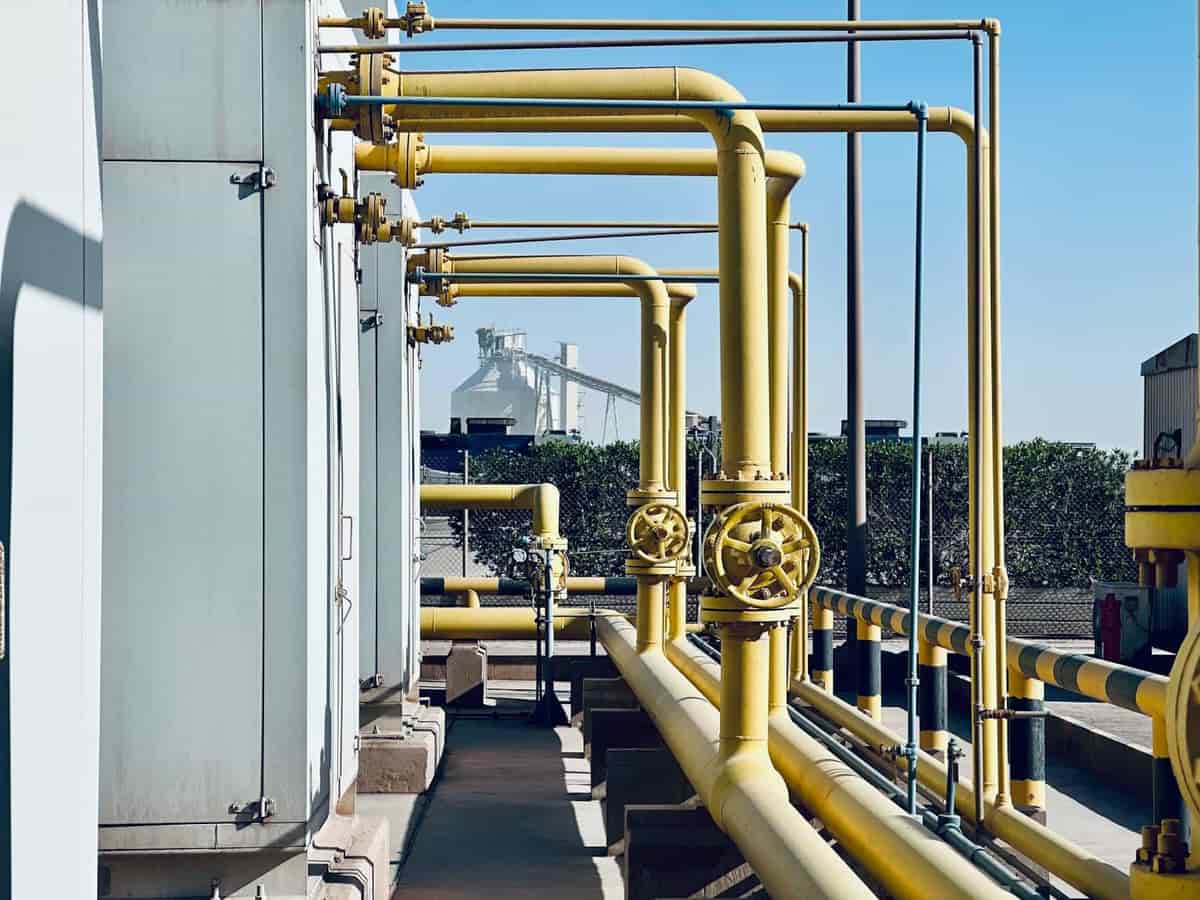
The United Arab Emirates will double its capacity to export crude oil bypassing the Strait of Hormuz by next year , as Abu Dhabi National Oil Co. accelerates construction of a pipeline running to the port of Fujairah on the Gulf of Oman , according to Bloomberg and Reuters. The move comes as Tehran has effectively shut the maritime chokepoint since the U.S. and Israel attacked Iran on February 28, disrupting about a fifth of global oil supplies .

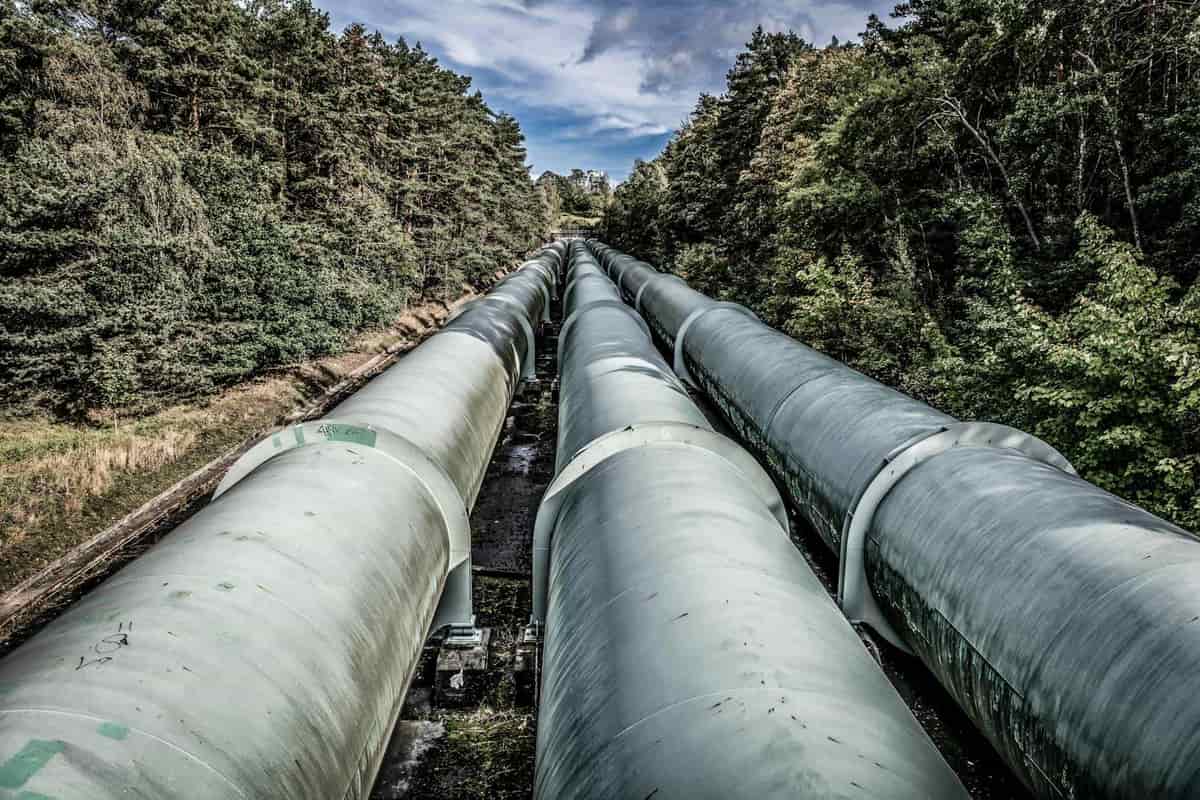
The project, expected to come online in 2027, will double ADNOC's export capacity , building on the existing Abu Dhabi Crude Oil Pipeline that can carry up to 1.8 million barrels . Abu Dhabi Crown Prince Sheikh Khaled bin Mohamed bin Zayed Al Nahyan on Friday called for faster delivery of the pipeline to meet rising global energy demand , according to CNBC.

The urgency is clear in the numbers. In 2025, nearly 15 mb/d of crude oil, nearly 34% of global crude oil trade, passed through the Strait of Hormuz , according to the International Energy Agency. Before the war, the UAE was producing just over 3 million barrels a day, but now, due to the war, the UAE is producing between 1.8 and 2.1 million barrels per day , Reuters reported.

Can Diplomacy Unlock Hormuz?

While the UAE builds around the problem, Pakistan appears to have found a diplomatic solution. Iraq and Pakistan have secured Iranian clearance to move crude and LNG through the Strait of Hormuz, underscoring Tehran's leverage over regional energy flows , according to The National.

Pakistan agreed shipments of Qatari LNG via Iranian-approved routes to meet soaring summer electricity demand , with Pakistan receiving about 10 LNG cargoes a month before the war . The gas is being sold by Qatar to Pakistan under a government-to-government deal, with Iran approving the shipment to help build confidence with Qatar and Pakistan, which has been acting as a mediator in the war , Reuters reported.

Claudio Steuer of the Oxford Institute for Energy Studies said "Iran has shifted from blocking Hormuz to controlling access to it … Hormuz is no longer a neutral transit route, it is a controlled corridor" . Before the war, about 3,000 vessels passed through Hormuz each month; traffic is now around 5% of that level, with the disruption sending Brent crude surging by more than 50% since the outbreak of the conflict at the end of February , according to shipping data cited by Reuters.

What's Happening to Oil Reserves?

The Strategic Petroleum Reserve is feeling the strain. The Strategic Petroleum Reserve stood at 392 million barrels as of May 1, following the release of 172 million barrels as part of a coordinated 400-million-barrel global emergency drawdown managed through the International Energy Agency , according to Foreign Policy Journal.

The Trump administration is studying using oil under land at US military bases and other Department of War sites to help refill the nation's depleted emergency reserves , Bloomberg reported. Energy Secretary Chris Wright alluded to the possible initiative at a forum last month, saying the administration planned "to do pragmatic things" with energy resources under federal control and that "creative ways" were needed to refill the reserve , according to World Oil.

A project to drill under military bases is unlikely to have any immediate impact on energy prices, but it could allow the U.S. government to outright own the oil produced and not need to make purchases from private producers to replenish inventories , the publication noted.

Is BP Retreating From Egypt?

Oil major BP is considering selling some of its natural gas assets in Egypt, as new CEO Meg O'Neill restructures the group to cut debt and refocus on more profitable projects , Reuters reported on Thursday. BP has invested more than $35 billion in Egypt over six decades, producing about 60% of the country's natural gas through joint ventures in the East Nile Delta and BP-operated fields in the West Nile Delta .

BP produced 518 million cubic feet per day of natural gas in Egypt last year, down about 40% from 2024 and nearly 60% from 2023 . No final decisions have been taken , sources told Reuters, and a BP spokesperson said the company does not comment on market speculation .

The potential sale comes even as BP plans to invest approximately $1.5bn in Egypt during the 2026/2027 fiscal year to fund gas development, exploration, and the drilling of new wells , according to Daily News Egypt, citing comments from BP's executive vice president for gas and low carbon energy William Lin.
British Gas Pays for Prepayment Meter Scandal

In the UK, British Gas has agreed to pay a £20 million payment into Ofgem's Voluntary Redress Fund after Ofgem's investigation concluded that British Gas failed to meet the standards required of an energy supplier when installing prepayment meters, and that it breached licence conditions specifically designed to protect customers in vulnerable situations .

British Gas will write off up to £70 million of energy debt for vulnerable customers in accordance with a framework agreed by Ofgem , the regulator announced Friday. The energy supplier will compensate customers who were affected from 2018 to 2021, in addition to payments already made to those affected from 2022 to 2023 , according to ITV News.

Ofgem's CEO Tim Jarvis said "It is clear that British Gas fell short in its treatment of an unacceptable number of vulnerable customers who had a prepayment meter installed without consent, and it's right that they've taken action to put things right" .

Mexico LNG Project Nears Startup

First LNG from Sempra's Energía Costa Azul (ECA) export project in Mexico is weeks away after the introduction of feed gas into Phase 1 and the launch of startup activities , Natural Gas Intel reported Thursday. Sempra expects its 3.25mn t/yr (430mn ft³/d) Energia Costa Azul LNG export terminal in Mexico to begin production next month , according to Argus Media.

The terminal, at Baja California's Ensenada on the Pacific coast, began receiving feedgas on 20 April but has not yet produced LNG . At capacity, ECA would add around 425 MMcf/d of feed gas demand from West Texas and New Mexico , Natural Gas Intel noted.

The project matters for Permian Basin producers struggling with negative prices. According to market data, Henry Hub Natural Gas traded at $3.25/MMBtu on Friday, down 2.4%. Waha prices averaged negative 77.8 cents/MMBtu for summer 2026, compared to negative $3.010 for April , according to NGI's Forward Look data.

What Changed This Week

Oil markets absorbed conflicting signals as geopolitical tensions overshadowed bearish demand forecasts. Brent crude traded at $75.20 per barrel on Friday, up 0.5% according to market data, even as both OPEC and the IEA cut their 2026 demand projections. The UAE's pipeline acceleration and Pakistan's diplomatic breakthrough with Iran demonstrate how energy flows are being rerouted around the Hormuz bottleneck, while BP's potential Egypt exit and British Gas's £90 million settlement show companies grappling with operational and regulatory pressures far from the Middle East conflict zone.

What to Watch

The ECA LNG facility's June startup will test whether new Mexican export capacity can ease pressure on Permian Basin gas prices. Watch for Iraq's next tanker approvals from Iran, which could signal whether Tehran's "controlled corridor" approach becomes the new normal for Hormuz transit. BP's final decision on Egyptian asset sales should clarify whether the company's restructuring prioritizes cash flow over production volume. And keep an eye on U.S. Strategic Petroleum Reserve levels through summer, as the administration weighs unconventional refill strategies against the backdrop of oil prices that remain elevated despite demand concerns.

Coverage aggregated and synthesized from leading energy-sector publications. See linked sources within the article.

Share this story

More from Stake & Paper

Was this article helpful?

ClaimWatch

Mining claims intelligence — from query to report, in minutes.

Every unpatented mining claim across all twelve BLM states. Leadfile audits, due diligence, site selection, regional prospecting, entity investigations, and AOI monitoring — delivered as complete report packages.

4.4M+
Claims Tracked
12
BLM States
7
Report Types
Request a Sample Report
Stake & Paper AM

One morning brief. The whole energy sector.

Original analysis, the day's most important wire stories, and market data — delivered before your first cup of coffee. Free.