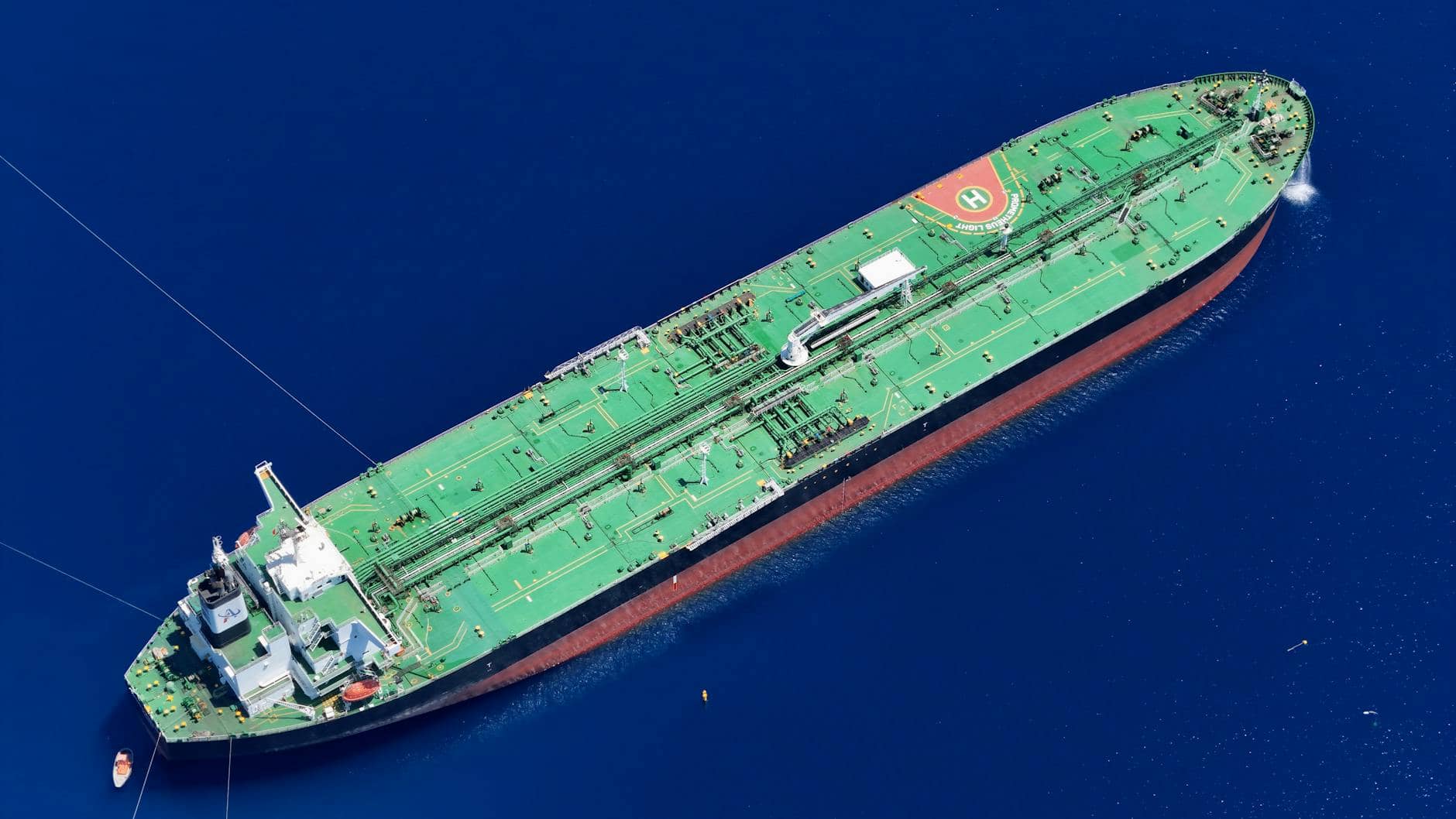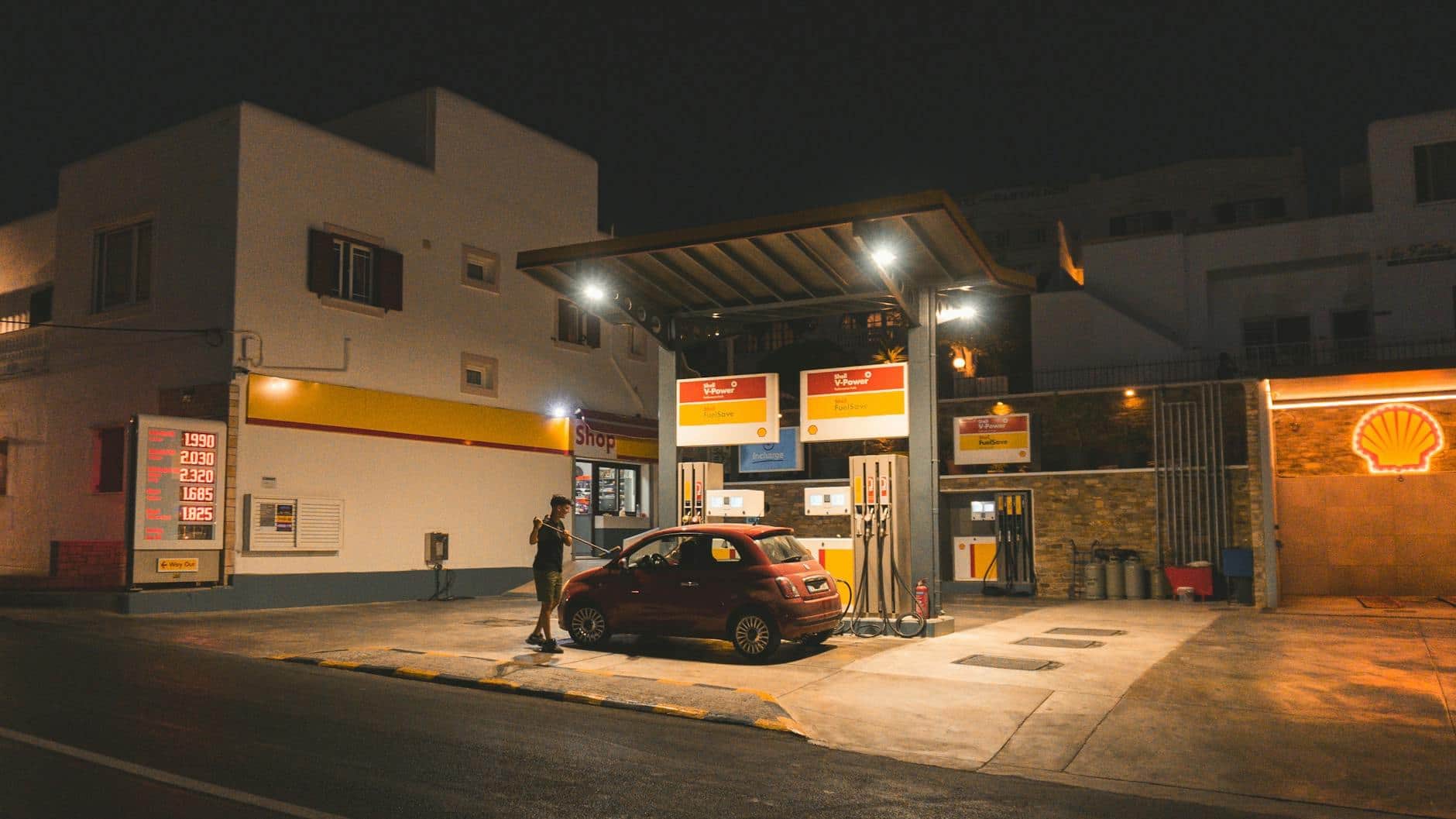
The Trump administration on Saturday allowed a sanctions waiver to lapse that had previously allowed countries including India to buy Russian seaborne oil after a month-long extension aimed at easing oil supply shortages and high prices due to Iran's closure of the Strait of Hormuz , according to Reuters. The move comes as U.S. gasoline prices are currently at about $4.50 a gallon, the highest since 2022 , with both domestic and international oil prices having hovered around or above $100 per barrel since the war began on February 28 .
U.S. Treasury Secretary Scott Bessent had previously said he would not renew the general license allowing the purchase of Russian oil stored on tankers , despite India being the top consumer of Russian seaborne crude, with its purchases near record highs in April and May following previous sanctions waivers . The decision reflects mounting political pressure, as two top Democratic U.S. senators, Jeanne Shaheen and Elizabeth Warren, urged the Trump administration against renewing the waiver, arguing that it was providing revenue to Russia to aid its war in Ukraine, but there was no evidence it was bringing down fuel costs for American consumers .
Can OPEC Survive Without the UAE?
The UAE's withdrawal became effective on May 1, marking the exit of a member that had contributed to the organisation since 1967 , Al Jazeera reported. The country plans to expand production capacity from about 3.4 million barrels per day to 5 million barrels per day by 2027, supported by upstream investment , according to Gulf News.
UAE Energy Minister Suhail Mohamed al-Mazrouei said the move followed a review of national energy strategy, telling Reuters that "this is a policy decision, it has been done after a careful look at current and future policies related to level of production" . The minister added that the UAE did not raise the issue with any other country .
The timing carries particular significance. Recent data shows OPEC production fell 27% to 20.79 million barrels per day in March after disruptions removed 7.88 million barrels per day from supply , Gulf News reported. Before the start of the war, the UAE's production capacity had grown to 4.8 million bpd, but under its OPEC agreement, it was only allowed to produce 3.2 million bpd , according to Al Jazeera.
Where Will Producers Find Safe Supply?
The Middle East crisis has triggered a global scramble for oil resources outside conflict zones, with Argentina's Vaca Muerta shale basin emerging as a primary beneficiary. Local and international energy companies are vying for additional exploration blocks in Argentina's Vaca Muerta shale basin as the Middle East crisis and the blocked Strait of Hormuz are reigniting a global race to tap resources outside conflict zones , OilPrice.com reported.
The Argentinian shale play is already outperforming U.S. plays such as the Permian, Bakken, and Eagle Ford on well productivity measures, and Rystad Energy expects crude production from Vaca Muerta to top 1 million bpd by the end of the decade . Jai Singh, Head of US Oil & Gas Research at Rystad Energy, said "Argentina is offering international companies their best organic entry point into Vaca Muerta in a decade" , adding that "this bid round is the moment that the world's most important non-US shale play formally invites the world in" .
U.S. shale giant Continental Resources, the company founded by Harold Hamm, earlier this year doubled down on its shale expansion outside the U.S. with an acquisition of stakes in four Vaca Muerta blocks . Breakeven prices across the most promising blocks range from $32 to $49 per barrel, competitive with many established global shale plays , according to IndexBox analysis.
By some estimates, the RIGI program has already drawn applications from energy and mining projects that would require a total investment of more than $50 billion , World Oil reported. The incentive framework, implemented in February 2026, provides 30-year tax breaks and liberalised customs and export regulations .