Trump wrote "Ships of the World, start your engines. Let the oil flow!" on Sunday after announcing a preliminary deal with Iran to end the war that has brought about the worst energy crisis in modern history and closed the Strait of Hormuz to world shipping.
Oil prices tumbled.
But four days after the agreement was announced by both Iran and the US, marine traffic has not picked up in the narrow, vital waterway, with shipping companies and insurance underwriters taking a wait-and-see approach before deeming transit through the Strait of Hormuz sufficiently stable.
U.S. President Donald Trump and Iranian President Masoud Pezeshkian signed the memorandum of understanding on Wednesday night, calling for the full reopening of the Strait of Hormuz without tolls by Iran for at least 60 days. The deal promises $300 billion in reconstruction funds for Iran and commits both sides to 60 days of nuclear negotiations. But the mechanics of actually moving ships through the strait -- which carried 120 to 140 vessels per day before the war, about half of them tankers hauling roughly 20 million barrels of oil -- remain murky.
Can Tankers Actually Move?
Industry executives and shipping experts have warned it will take weeks to clear the backlog of ships in the Strait of Hormuz.
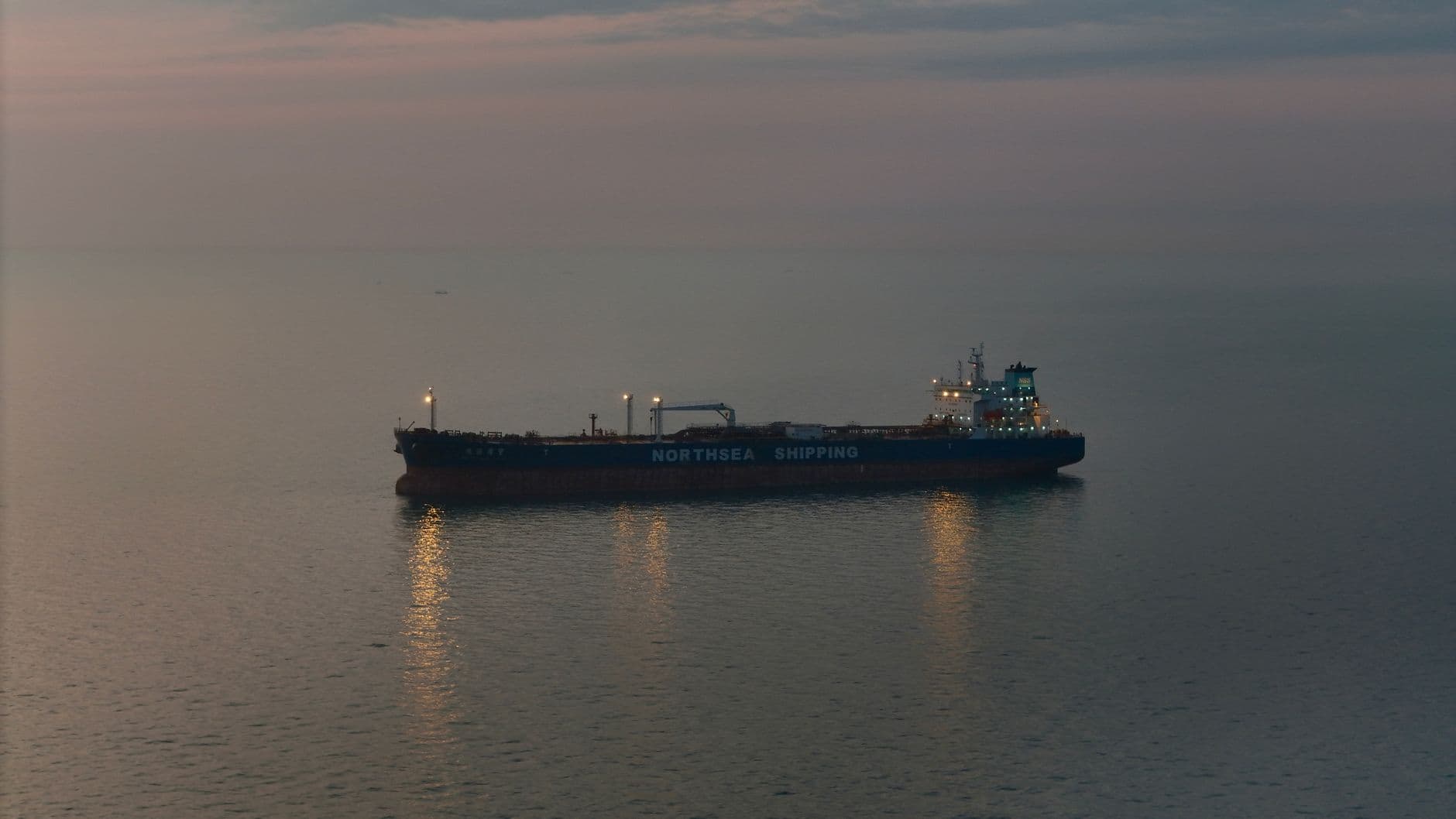
More than 550 ships remain stranded on either side of the strait, waiting to transit.
The initial 10- to 15-day clearing of the tanker backlog may create a visible spike in traffic, but a return to normal throughput could take longer if insurance premiums remain elevated, naval checks are slow or operators remain cautious.
The problem is not just logistical. The threat of underwater mines has plagued traffic in the Strait of Hormuz for some time, with Iran threatening it would mine the waterway but never confirming whether it did so, and the IRGC mentioning that its safe route would avoid "potential" mines.
The memorandum states that commercial vessel traffic will immediately start, with demining by Iran to be completed within 30 days.
Then there's the tanker rate problem. The benchmark freight rate for Very Large Crude Carriers used to ship 2 million barrels of oil from the Middle East to China hit an all-time high of $423,736 per day on March 3, and major marine war risk providers started to scrap cover for vessels operating in the Persian Gulf.
Economic intelligence provider QuantCube Technology told CNBC its shipping data has yet to show a meaningful increase in oil export departures from Saudi Arabia, the UAE or Iraq.
In Saudi Arabia's Dammam region, which includes the Ras Tanura export complex, vessels have been loaded and sent offshore to wait, with tankers departing Dammam spending significantly longer waiting at anchor before departure since June 8, suggesting that a queue of vessels may have formed offshore rather than at port facilities.
What About the Oil Market?
Oil traders have moved fast -- perhaps too fast. Goldman Sachs reduced its oil price forecast following Trump's announcement of a deal, lowering its Brent forecast to $80 per barrel for the fourth quarter of 2026, from $90 previously, and to $75 for the 2027 average.
Morgan Stanley now sees Brent crude averaging $80 per barrel in the last quarter of 2026, down from an earlier forecast of $100 per barrel for the third quarter, while Goldman Sachs cut its 2027 average forecast for Brent crude to $75 per barrel from $80.
But the physical market tells a different story. Beyond getting oil trapped on tankers in the Gulf out past Hormuz, it is crucial to get fresh tankers into the Gulf to load oil in storage facilities, because many drilling operations shut down wells as they ran out of storage -- for countries like Saudi Arabia, restoring production might take only a few weeks, but countries that suffered steep drops in aggregate production when they ran out of storage, such as Iraq, could face a longer lag time of months before they return to pre-war production levels.
About 62 million barrels of crude oil on nearly three dozen supertankers are expected to make their way to Asia within weeks after the Strait reopens, according to Signal Group data carried by Bloomberg. That's enough to run Japan for roughly 30 days. Asia, which felt the supply shock first and the most as early as in March, could now see a wave of much-delayed crude supply that would weigh on prices, as refiners in Asia, including China, have slashed run rates in response to the loss of supply from the Middle East and the high prices to procure alternative cargoes.
Meanwhile, OPEC's demand forecasts have been all over the map. On June 11, the Organization of the Petroleum Exporting Countries cut its forecast for 2026 growth in global crude demand to 970,000 barrels per day, the second consecutive downward revision in the cartel's monthly report, down 200,000 bpd from the previous month, as seven nations in the bloc simultaneously approved a production increase of 188,000 bpd for July.
The U.S. Energy Information Administration now forecasts that global oil demand will decrease by an average of 1.1 million b/d in 2026, compared with its expectation last month for 0.2 million b/d growth and its February forecast for growth of 1.2 million b/d.