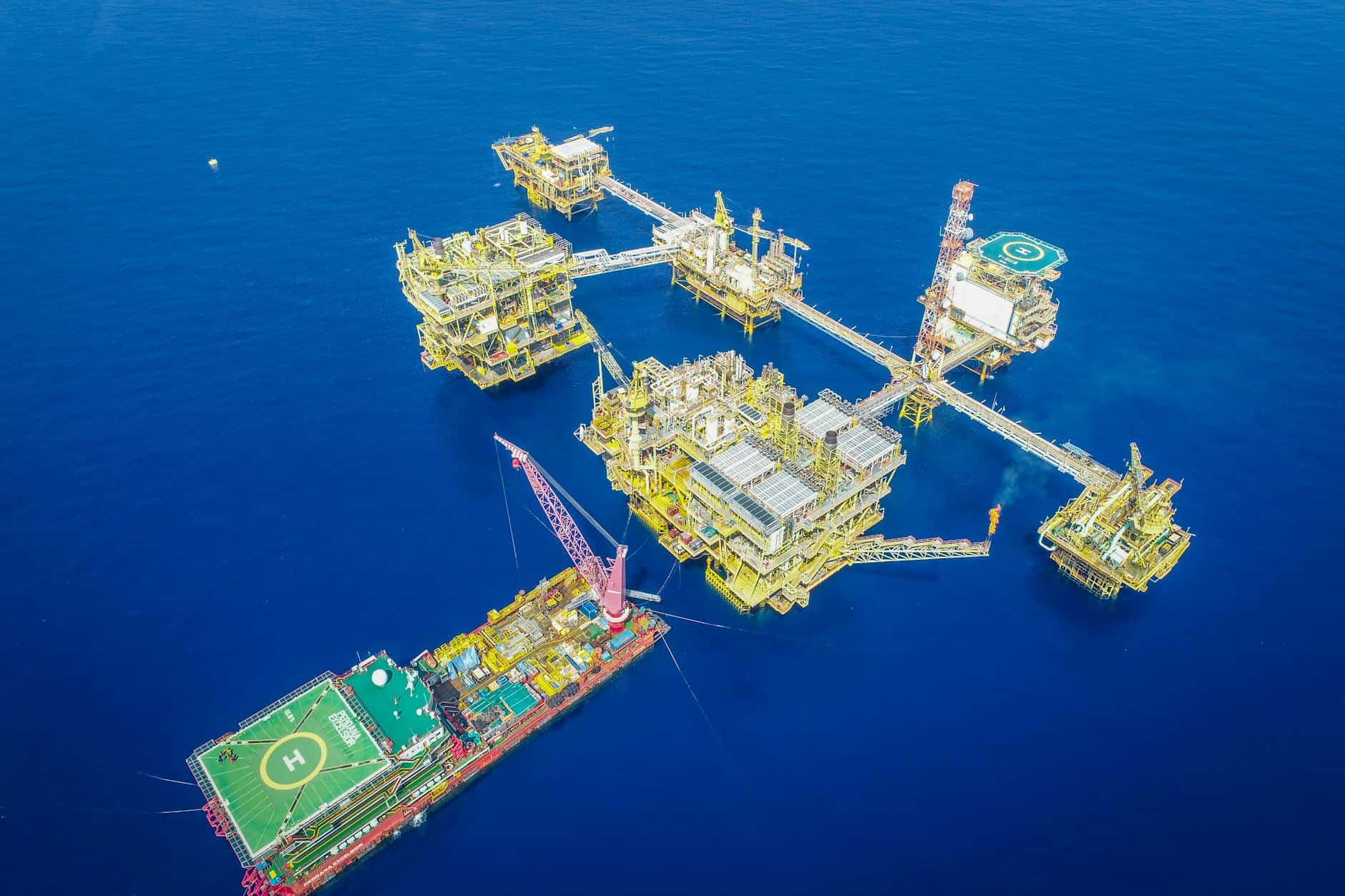
Oil prices are climbing as the ongoing US-Israeli war with Iran continues to disrupt supply flows through one of the world's most critical chokepoints. According to Reuters, oil prices have risen as the conflict persists, creating immediate supply concerns that are reshaping how traders view the market's near-term trajectory.
The disruption is significant enough that it's already changing the traditional relationship between major crude benchmarks. According to OilPrice.com, WTI crude—which normally trades at a discount to Brent—has moved higher than the North Sea-focused benchmark this week. Traders explained this unusual shift with fears of tight supply in the immediate term, though some expect relief later this year. However, OilPrice.com noted that some observers doubt this relief would arrive soon enough to prevent demand destruction, a scenario few in the industry like to discuss.
The real-world impact is already visible. Indonesia has started rationing fuel, according to OilPrice.com, capping daily fuel purchases to 50 liters per car for private consumers. This represents the kind of demand control measure that governments are increasingly turning to as global fuel shortages intensify.
Iraq Moves Oil Through Hormuz Under New Exemption
Despite the geopolitical tensions, Iraq is beginning to move crude through the Strait of Hormuz under what appears to be a new exemption arrangement. According to Reuters, a Petronas-chartered tanker loaded with Iraqi crude has passed through Hormuz, signaling that at least some oil shipments are able to navigate the contested waterway.
Iraq has taken an active role in managing these flows. Reuters reported that Iraq is urging customers to send oil loading plans following the Hormuz exemption, as documented in internal communications. This suggests Baghdad is working to coordinate shipments and ensure its crude reaches international markets despite the broader conflict.
The movement of Iraqi oil carries symbolic weight beyond the immediate commercial transaction. According to Bloomberg's reporting referenced in the premium headlines, Iraq has told buyers to collect crude as its oil can cross Hormuz, indicating some level of coordination or understanding about which shipments can safely transit the strait.