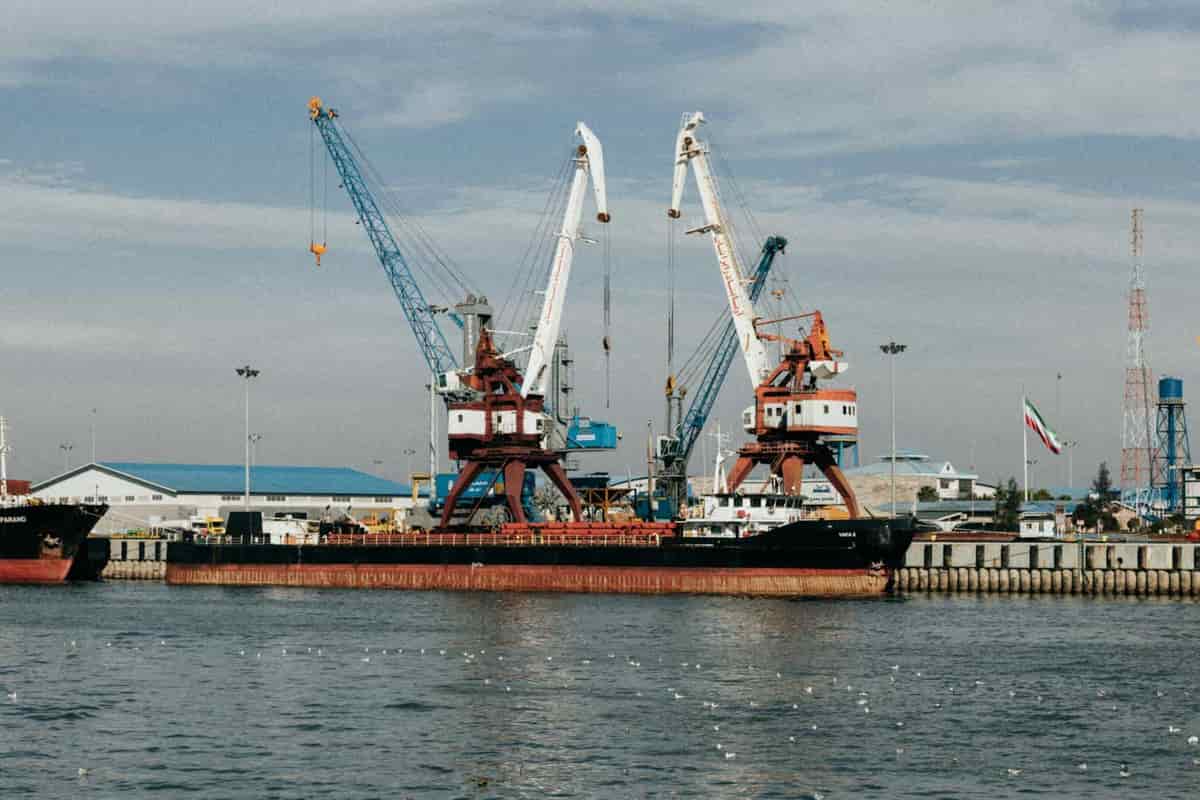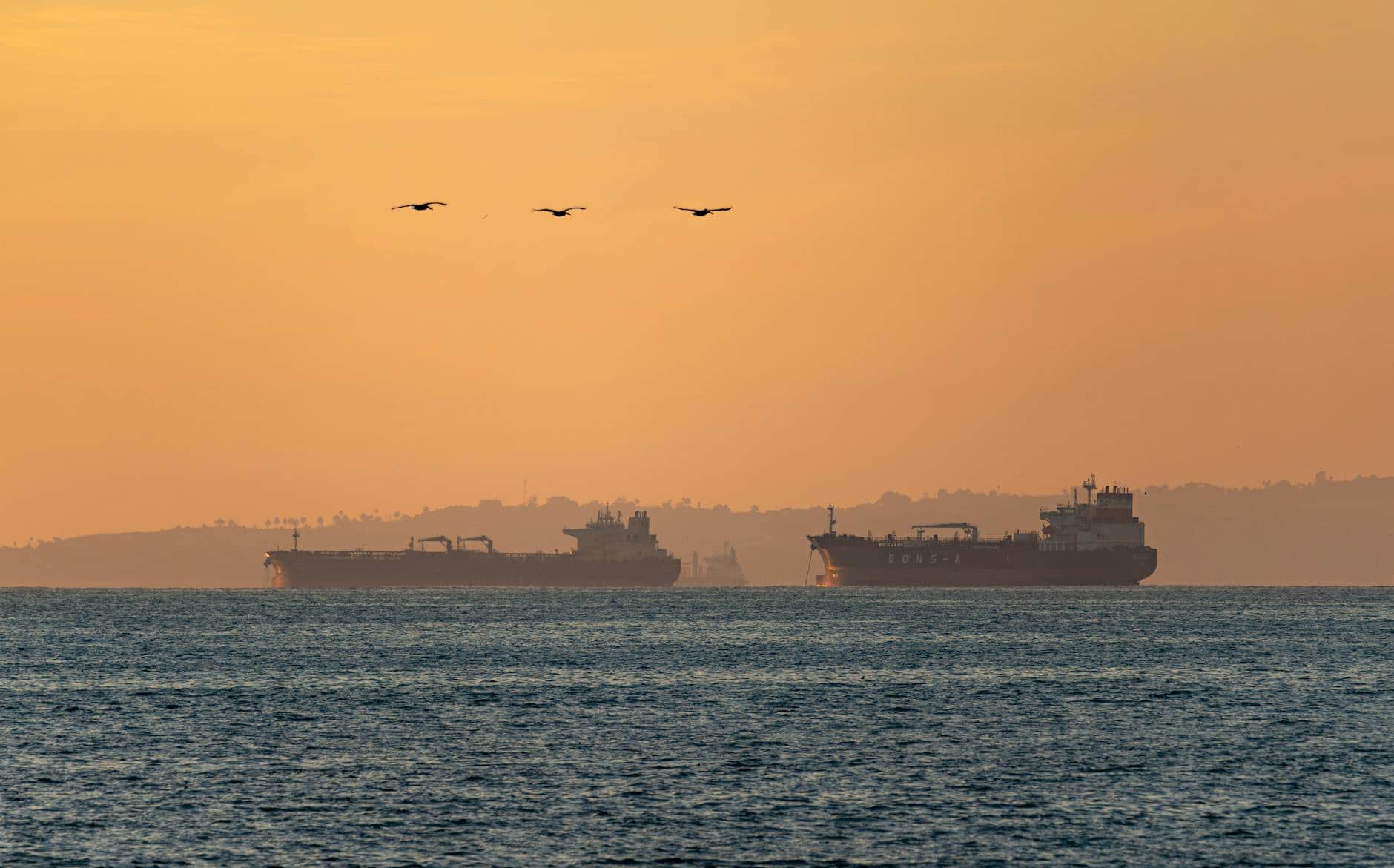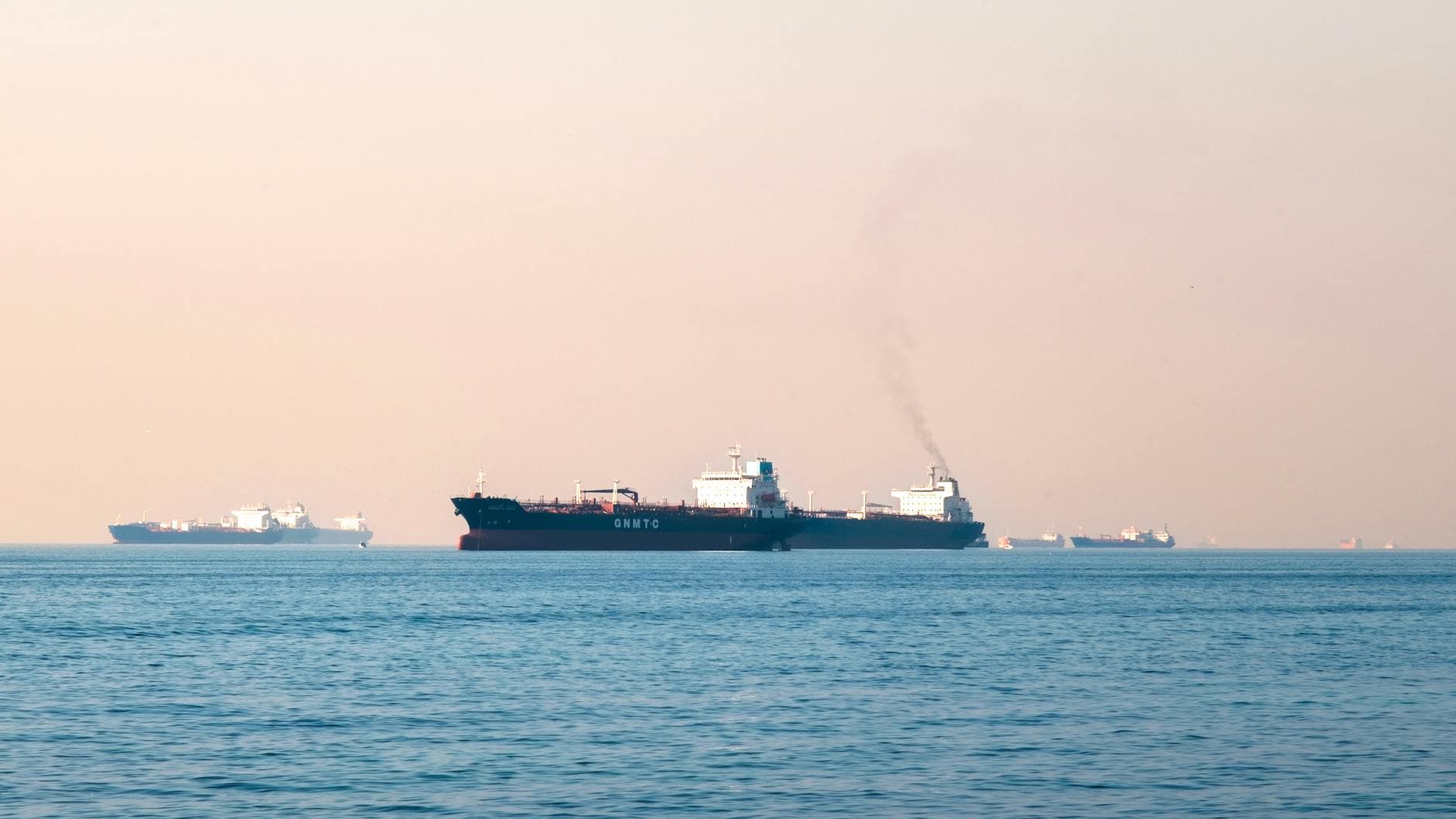
Brent crude broke back below $100 to trade at $98.27 on Monday, while WTI fell to $91.63 —a plunge of more than 5% in early Asian trade. The drop came after reports over the weekend that a deal to reopen the Strait of Hormuz was nearing completion, though President Trump posted on social media that he had informed his representatives "not to rush into a deal" , according to Fortune. The whipsaw reflects a market caught between hope and caution. Roughly 20% of the world's oil and liquefied natural gas passes through the Strait of Hormuz, but shipping traffic has virtually halted since U.S. and Israeli-led strikes against Iran started on Feb. 28 , CNBC reported.
The International Energy Agency warned Thursday that the oil market will reach a "red zone" this summer if Hormuz does not reopen, with global oil stockpiles set to deplete as demand picks up during summer travel, IEA chief Fatih Birol said . That's not hyperbole. The IEA has characterized the situation as the "largest supply disruption in the history of the global oil market" , per market data. If the blockade holds through June, U.S. gasoline could breach $5 per gallon—a threshold that would mark the highest sustained prices since the 1970s oil shocks.
Can Europe Survive Three More Months Without Gulf Gas?
The answer, according to Norwegian energy giant Equinor, is no. Europe could face a critical shortfall in natural gas stocks if shipping disruptions through the Strait of Hormuz persist for another 1-3 months, with Europe entering the current summer refill season with gas stores only 28% full following a prolonged winter, now at 35-37%—significantly below the 50% seasonal norm , OilPrice.com reported. "If the war were to end tomorrow and the free flow of gas through the strait were to resume quickly, we could achieve an acceptable, albeit limited, level of gas in storage at 75%. However, if the closure lasts between one and three months, the situation could become critical," said Helle Østergaard Christiansen, Senior Vice President for Gas and Power Trading at Equinor , according to Reuters.
The math is unforgiving. The EU estimates gas prices have risen 70% and oil by 50% resulting in an extra €13 billion bill on fossil fuel imports since the crisis began, Euronews reported. Equinor warns prolonged disruptions could push Dutch TTF gas prices toward €90/MWh, forcing industrial demand destruction and fuel switching across Europe . That's roughly double current levels—enough to shutter aluminum smelters and chemical plants across Germany and Italy.
Europe's predicament is made worse by distorted market dynamics. Distorted pricing and inverted seasonal price curves have contributed to Europe's gas crisis, with an unusual market structure wherein summer spot prices are higher than winter contracts stalling necessary storage replenishment, with Dutch TTF seasonal spreads remaining in negative territory to the tune of ~€1.3/MWh , according to OilPrice.com. Translation: The normal incentive to fill storage during cheap summer months has vanished.
Who Benefits From the Chaos?
The United States, for one. The U.S. benefits from the surging oil prices as it is an energy powerhouse, with U.S. exports of crude and petroleum products rising to nearly 12.9 million barrels a day on 24 April , according to market data. Even before the war, the International Energy Agency predicted that virtually all global oil demand growth in 2026 could be met by rising supply from North and South American countries such as the US, Canada, Brazil, Guyana and Argentina , The Conversation reported. The Americas are expected to produce around 30 million barrels of oil per day later in 2026, approaching pre-war Opec production levels, with the US alone remaining the world's largest producer at almost 22 million barrels a day in April .
Australia is positioning itself as the other big winner. Australia's energy producers are calling for state and federal support in faster approvals of new projects and fiscal stability to help the world's third-biggest LNG exporter grow its overseas markets amid the expected years-long turmoil in the global gas market in the wake of the Iran war, with producers wanting long-term predictability in taxation, as well as faster permitting processes and environmental reviews , OilPrice.com reported. The industry sees the Iran war and disrupted Qatari LNG exports as a major opportunity for Australia to strengthen its role as a reliable LNG supplier to Asia .
But there's tension beneath the surface. Australian Prime Minister Anthony Albanese said his government wouldn't "undermine" existing liquefied natural gas exports with new taxes, warning that doing so during a global energy crunch would risk investment and fuel security, as pressure has been mounting to increase the tax on LNG producers, as companies including Chevron Corp. and Woodside Energy Group Ltd. profit from higher prices , Bloomberg reported. Gas export revenues are projected to reach A$107 billion in 2026, more than double the A$50 billion forecast prior to recent Middle East conflicts , according to industry analysis.