Saturday, June 27, 2026Vol. III · No. 178Subscribe
The Mining, Energy & Technology Wire
Mining · Analysis

Minerals for Security: The New Diplomacy

From Pentagon processing plants to Japan's rare earth stockpiles, the race for critical minerals is rewriting the rules of global competition—and the DRC is setting the terms.

Minerals for Security: The New Diplomacy
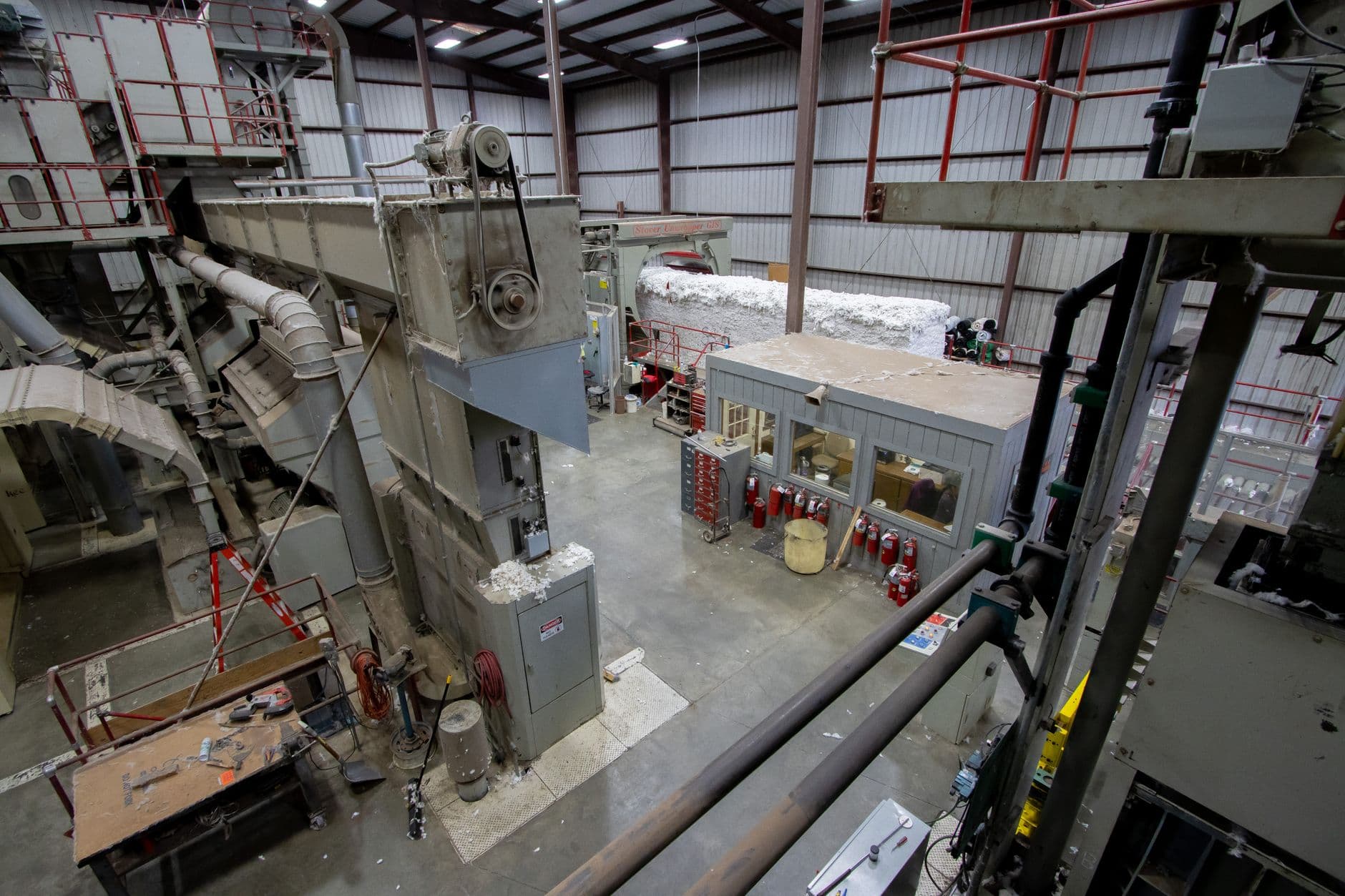
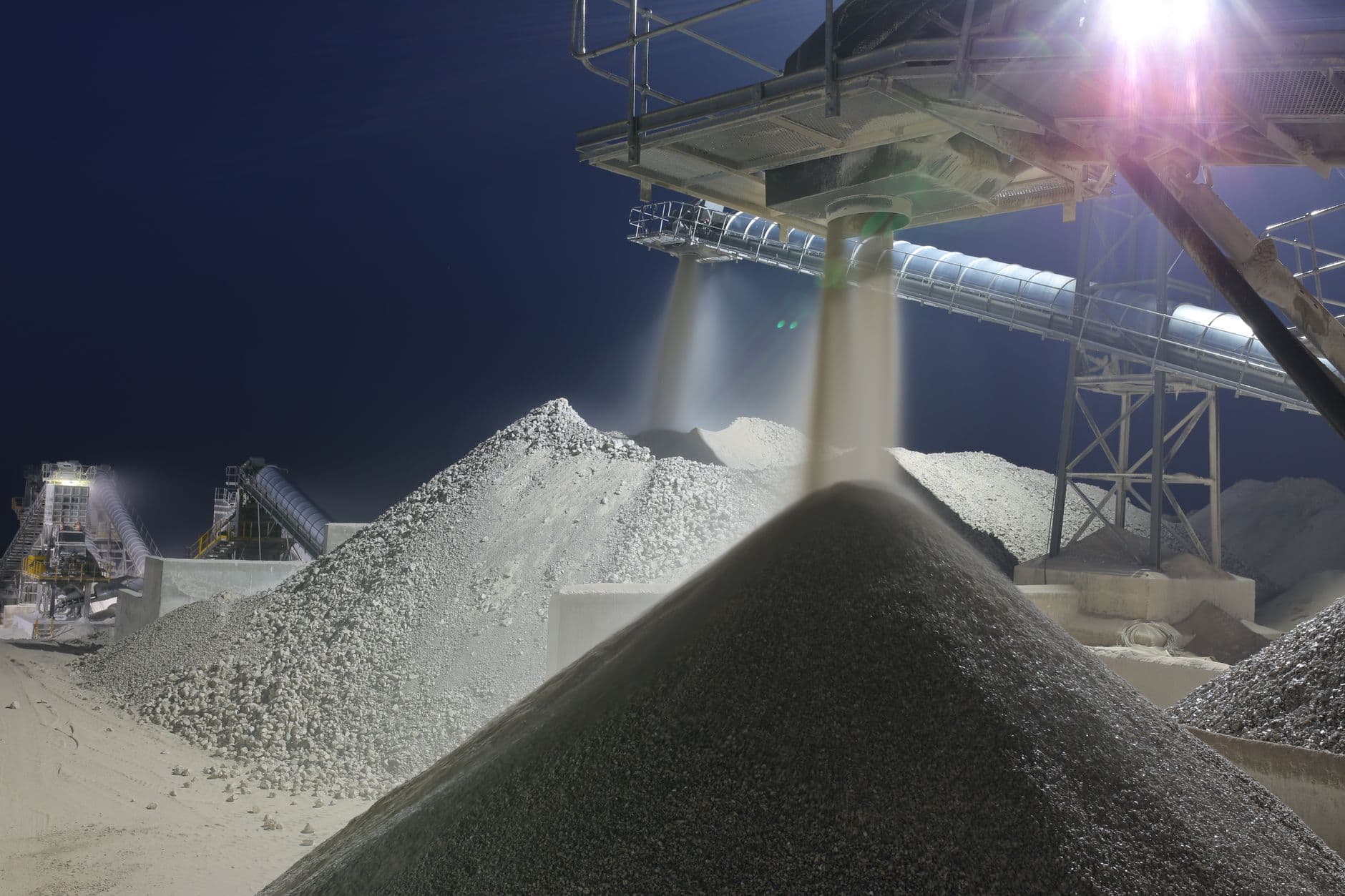
PhotographFrom Pentagon processing plants to Japan's rare earth stockpiles, the race for critical minerals is rewriting the rules of global competition—and the DRC is setting the terms.

The U.S. Army will build rare earth refineries on its own bases. Canada and Japan are stockpiling graphite and gallium together. China has cut off dysprosium shipments to Tokyo for six months and counting.

Welcome to 2026, where critical minerals have become the new currency of geopolitical leverage—and the old rules of resource diplomacy no longer apply. The Pentagon announced Thursday it selected Canadian miner Titan Mining and U.S.-based REalloys to develop processing facilities for critical minerals on military bases, part of a broader push to secure defense supply chains and reduce reliance on China , Reuters reported. REalloys will construct a rare earth separation facility at the Tooele Army Depot in Utah, with production stockpiled on-site for military use , according to the U.S. Army. Construction could begin as early as 2027.

It's a first-of-its-kind arrangement—and a signal that Washington has stopped waiting for the market to solve its China problem.

Can Allies Outbid Beijing's Processing Dominance?

China has effectively cut off Japan's access to some of the most strategically important materials on Earth. Shipments of heavy rare earths to Japan have been halted since January 2026, with minimal to zero distribution continuing into May. The materials in question—dysprosium, terbium, and gallium—are embedded in virtually everything that matters: electric vehicles, smartphones, wind turbines, missile guidance systems, and the permanent magnets that make modern electronics possible. China controls over 90% of global rare earth magnet production and refining , according to industry analysis.

Nomura Research Institute estimates a three-month export curb could cost Japanese businesses roughly 660 billion yen, or about $4.2 billion—enough to dent Japan's annual GDP by an estimated 0.11% , analysts told reporters.

Tokyo's response has been methodical. Canada and Japan are considering cooperation in critical mineral projects and a potential plan of joint stockpiling of key metals as the two G7 economies look to reduce China's outsized dominance in the market. Ottawa and Tokyo are in talks on options for cooperation including joint mining projects, off-take agreements and stockpiling arrangements for minerals such as graphite and gallium, International Trade Minister Maninder Sidhu said. Japanese and Canadian companies signed more than C$1 billion, or US$705 million, in commercial deals during the visit , Reuters reported Friday.

The EU is taking a different tack. The European Union is turning to Brazil as a strategic partner in its push to diversify its critical mineral supplies, offering a deal that it says will be beneficial to Brazil's development goals, EU Commissioner for International Partnerships Jozef Sikela told Reuters. The commissioner visited the rare earth research and processing center of Australian mining company Viridis Mining and Minerals, in Poços de Caldas, in the southeastern state of Minas Gerais, one of four priority projects selected to accelerate collaboration between the EU and Brazil . Viridis plans to invest $360 million in a commercial plant capable of producing 15,000 tons of mixed rare earth carbonate per year from 2028 , the company said.

Brazil holds the world's second-largest rare earth reserves. More importantly, it wants to process them domestically—a preference that aligns precisely with Europe's need for refined intermediate products rather than raw ore.

Why Are Copper Smelters Paying Miners to Process Ore?

While rare earths grab headlines, copper is staging a quieter crisis. Smelter fees for processing copper concentrate, known as treatment and refining charges (TC/RCs), have hit all-time lows. The annual TC/RC benchmark settled at USD 0 per tonne in January 2026, the lowest level ever agreed in annual negotiations. Meanwhile, spot TC/RCs have been negative since 2024 and fallen to all-time lows , the IEA reported.

Read that again: smelters are now paying miners for the privilege of processing their ore. Treatment charges reached -$66.40 per tonne in Q1 2026, meaning smelters now pay miners for concentrate access rather than receiving payment for processing services , according to market data.

These dynamics have been driven by a surge in smelter capacity additions from China, which has significantly outstripped growth in copper concentrate production. As a result, competition among smelters for concentrate has ramped up, sharply weighing on smelter fees. Since 2005, China has accounted for over 90% of growth in global copper smelter output, lifting its share from around 15% to half of global supply in 2025 , the IEA noted.

The paradox: copper prices remain near record highs—$71.50/bbl per barrel for oil, $4,071.58 per ounce for gold—but the midstream processors are bleeding. Despite the sharp decline in TC/RCs, some smelters remain profitable for now. This is largely due to revenues from selling by-products, such as gold, silver and sulphuric acid. With prices for these by-products recently at record highs, smelters that have access to by-product-rich concentrate are still generating robust profits, offsetting losses from low TC/RCs , analysts said.

That lifeline won't last. When gold and silver normalize, the structural collapse in processing margins will be laid bare.

Who Really Controls the Congo's Cobalt?

The DRC holds about 70% of the world's cobalt reserves. Straddling the provinces of Lualaba and Haut-Katanga, political analysts say geopolitics and competition by the U.S. with China for mineral access are also at play on the same lands used by local communities. U.S. President Donald Trump has made mineral diplomacy part of his approach to solving DR Congo's long conflict in the east—looking for access for U.S. companies , Mongabay reported.

But Kinshasa is no longer playing the role of passive exporter. The most significant policy intervention is the cobalt quota system, introduced following a temporary export ban aimed at addressing a global oversupply that had pushed prices sharply downward from 2022 levels. Implemented through the country's mining regulator, ARECOMS, the policy replaced open-ended exports with controlled allocations to producers. Cobalt prices have risen from approximately $21,000 per tonne in early 2025 to just over $56,000 today. At the same time, Congolese authorities project fiscal revenues of around $2.3 billion this year under the quota system, compared to an estimated $617 million in a no-intervention scenario. Within a single year, the DRC has moved from price volatility exposure to becoming a price-setting actor , according to industry analysis.

The shift has drawn criticism. As delegations meet in Washington to discuss critical minerals, many in eastern DRC fear their country will gain little in the process , Al Jazeera reported from Goma. The global rush for minerals needed for the green energy transition risks repeating the same old extractive patterns that have long left communities in the Democratic Republic of Congo bearing the costs while others reap the benefits, a lawmaker from the country warns. Robert Agenong'a criticized what he described as the growing "corporate capture" of the country's critical minerals sector. He said discussions at the May 13-15 conference focused heavily on securing cobalt supplies for electric vehicles and clean energy markets, while giving far less attention to the environmental and social fallout in mining areas , Mongabay reported.

Zimbabwe is attempting a similar pivot. Zimbabwe's Lithium Producers' Association said major lithium miners in the country were at various stages of building lithium sulphate plants, with only one, owned by China's Zhejiang Huayou Cobalt, completed and exporting chemicals. Sinomine's Bikita Minerals and Sichuan Yahua's Kamativi lithium mines were building lithium sulphate plants, while the state-owned Sandawana mine was conducting a processing feasibility study. "It is a strong appeal that we are presenting to our regulators, that we finalise the work that is going on and extend the beneficiation ban maybe to June next year," association chairperson Innocent Rukweza said , Reuters reported from a mining conference in Victoria Falls.

The deadline: January 2027, when Zimbabwe's ban on raw lithium concentrate exports takes full effect. The challenge: building processing capacity fast enough to avoid choking off revenue in the interim.

What Changed This Week

The U.S. Army formalized what had been rumored for months—it will host critical mineral processing on military installations, bypassing civilian supply chains entirely. Canada and Japan moved from diplomatic declarations to billion-dollar commercial deals, with stockpiling arrangements now under active negotiation. The EU signed its first concrete rare earth supply agreement with Brazil, choosing Minas Gerais over competing offers from Australia and Africa. And copper smelters, squeezed by negative processing fees and reliant on by-product revenues, began warning that 2027 could force widespread production cuts—precisely when refined copper demand is expected to surge.

What to Watch

The U.S. Commerce Department is expected to release its copper tariff recommendation by the end of June, a decision that could either accelerate inventory hoarding or trigger a price correction. Zimbabwe's lithium miners have requested a six-month extension on the January 2027 processing ban; the government's response will signal whether Harare is willing to sacrifice short-term revenue for long-term value capture. And in Tokyo, officials are monitoring whether China's rare earth export restrictions ease ahead of the November 2026 APEC summit—or whether Beijing intends to maintain leverage through the end of the year. The DRC's cobalt quota allocations for Q3 are due in early July; any reduction could push prices past $60,000 per tonne and accelerate Western efforts to secure alternative supply.

Original reporting and analysis by the Stake & Paper editorial team. See linked sources within the article.

Share this story

More from Stake & Paper

Was this article helpful?

ClaimWatch

Mining claims intelligence — from query to report, in minutes.

Every unpatented mining claim across all twelve BLM states. Leadfile audits, due diligence, site selection, regional prospecting, entity investigations, and AOI monitoring — delivered as complete report packages.

4.4M+
Claims Tracked
12
BLM States
7
Report Types
Request a Sample Report
Stake & Paper AM

One morning brief. The whole energy sector.

Original analysis, the day's most important wire stories, and market data — delivered before your first cup of coffee. Free.