Washington signed eleven new critical mineral frameworks in a single day this February. Beijing still controls close to 90% of the world's rare earth refining capacity. That gap -- between diplomatic momentum and industrial reality -- defines the critical minerals race in 2026.
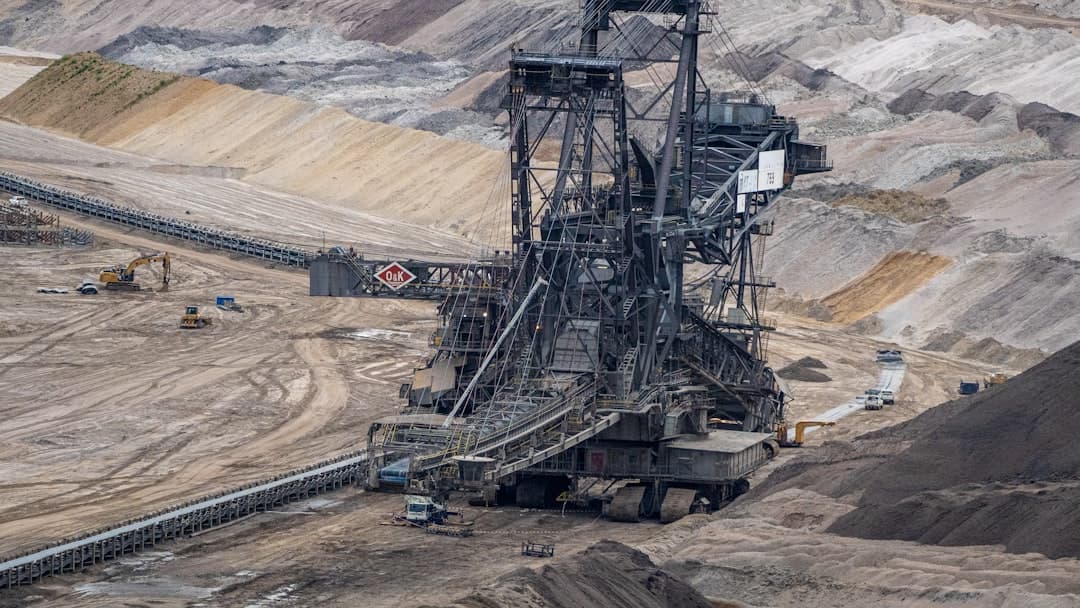
Export controls, quotas and state intervention are redrawing the mining playbook, creating a widening divide between producing countries seeking more value from their resources and consuming nations attempting to secure reliable supplies for energy transition technologies, defense systems and advanced manufacturing , according to Mining.com. The old game plan no longer works. Vietnam has tightened state control over rare earth mining and banned exports of raw materials, while Chile continues to favour a state-led approach to lithium development . Indonesia's nickel export ban has become a model for other resource-rich jurisdictions.
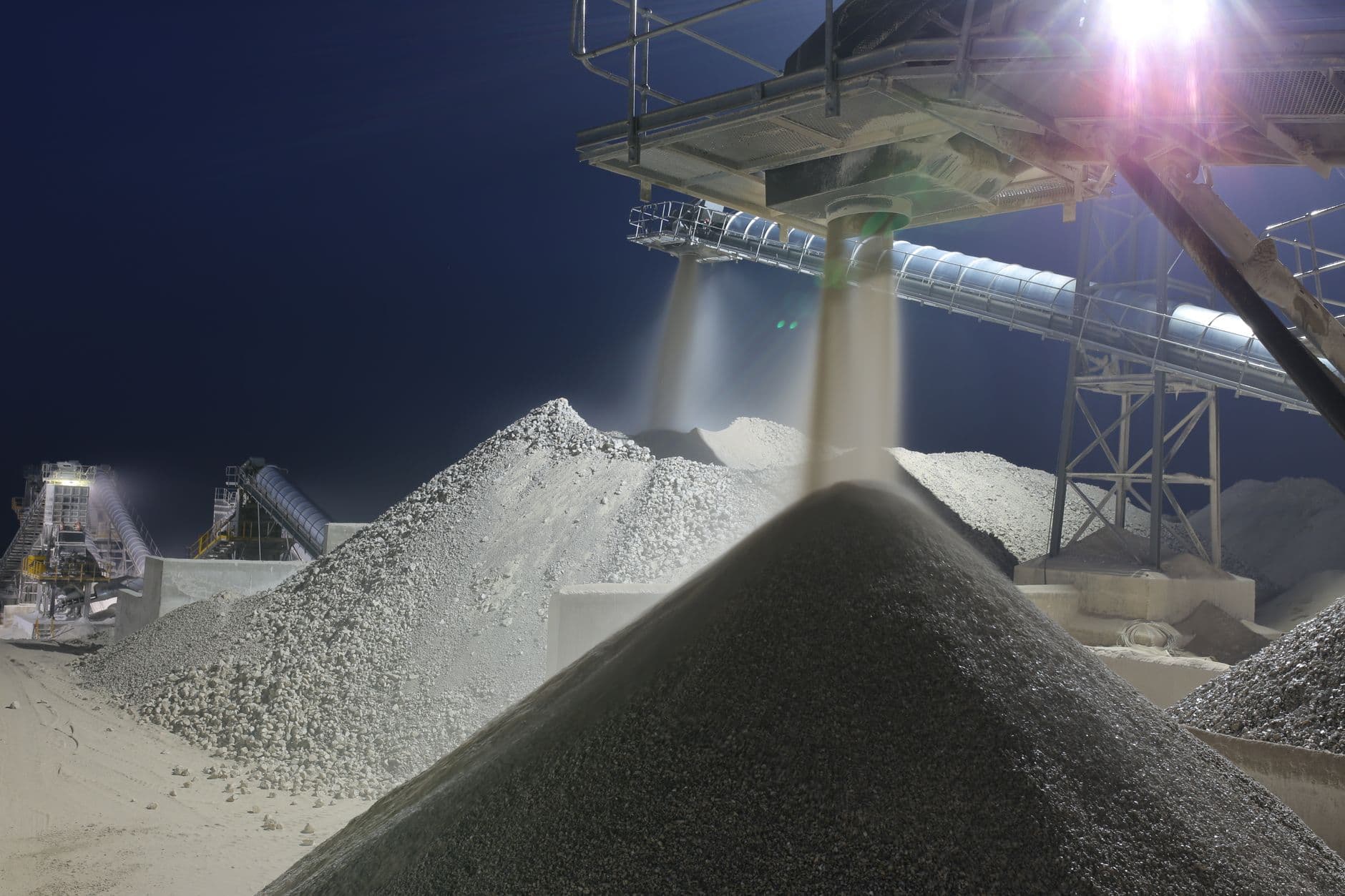
The strategic bottleneck has shifted. Critical minerals are often presented as a mining challenge, but increasingly they are a processing challenge -- the strategic bottlenecks are no longer located primarily in the ground but found between the mine and the factory , noted a recent analysis from InvestorNews. The U.S. Department of Energy announced $134 million for two projects that will strengthen domestic supply chains for rare earth elements, demonstrating the commercial viability of recovering and refining REEs from unconventional feedstocks, including mine tailings, electronic waste, and other waste materials .
Can Processing Catch Up to Diplomacy?
China accounts for roughly 70% of global rare earth production, but it is the country's dominance in processing -- with close to 90% of the world's rare earth refining and processing capacity -- that gives Beijing real leverage , Fortune reported in March. Since the 1980s, China has shelled out billions of dollars in investment and subsidies to secure its dominant position across the supply chain of rare earth metals, and has been at this for more than 30 years .
The math is sobering. For dysprosium and terbium, countries outside of China will still meet less than a fifth of demand by 2035 , according to McKinsey data cited by Bloomberg. Global appetite for dysprosium and terbium alone runs into the thousands of tons annually, yet in the first quarter of 2026, Lynas produced a combined 8 tons of them . Lynas Rare Earths, the Australian firm operating the world's largest rare earth refinery outside China in Malaysia, remains the only non-Chinese producer refining heavy rare earths at commercial scale.
After China put restrictions on rare earth exports last April, it took less than two months for factories from Suzuki in Japan to Ford in Chicago to grind to a halt, and additional export curbs the following October almost caused a similar shutdown until the Trump administration negotiated an eleventh-hour reprieve , Time reported. The near-miss spurred a flurry of activity. Investments totaling $6.3 billion were announced last year for projects outside China, with more than 60% coming from the US government, and a further $2.8 billion followed in the first quarter of 2026 , according to Benchmark Mineral Intelligence.
What About Lithium?
Lithium tells a different story -- one of oversupply meeting structural demand. After 26% demand growth in 2025, the lithium market is expected to see a more moderate pace in 2026, with the automotive sector remaining the dominant end-use at around 60% of total lithium demand, while energy storage systems have climbed from 9% three years ago to an expected 18% in 2026 , according to industry analysis.
Construction of the world-class Manono Lithium Project in the northeastern Democratic Republic of the Congo is advancing steadily, with the main processes of mining and beneficiation now fully operational, and the project expected to be completed and commissioned by June of this year, with Zijin Mining expecting to achieve lithium carbonate equivalent output of 120,000 tonnes in 2026 , Mysteel reported in April. Mineral Resources announced in May 2026 that it will restart the Bald Hill lithium mine in Western Australia thanks to stronger lithium prices, after placing it on care and maintenance in November 2024 , Investing News noted.
Technology is shifting the extraction equation. MIT researchers developed a low-temperature process using ammonium fluoride that can completely dissolve spodumene at temperatures below 100 degrees Celsius without releasing toxic fumes, yielding several types of lithium salt with 99 percent purity, with extraction time cut from several days to under 12 hours , according to Singularity Hub.