Wednesday, June 24, 2026Vol. III · No. 175Subscribe
The Mining, Energy & Technology Wire
Mining · Analysis

The Race to Build Magnets, Not Mines

Energy Fuels just bet $1.9 billion that the West's rare earths problem isn't underground. It's in the factories that turn ore into magnets—and China owns nearly all of them.

The Race to Build Magnets, Not Mines
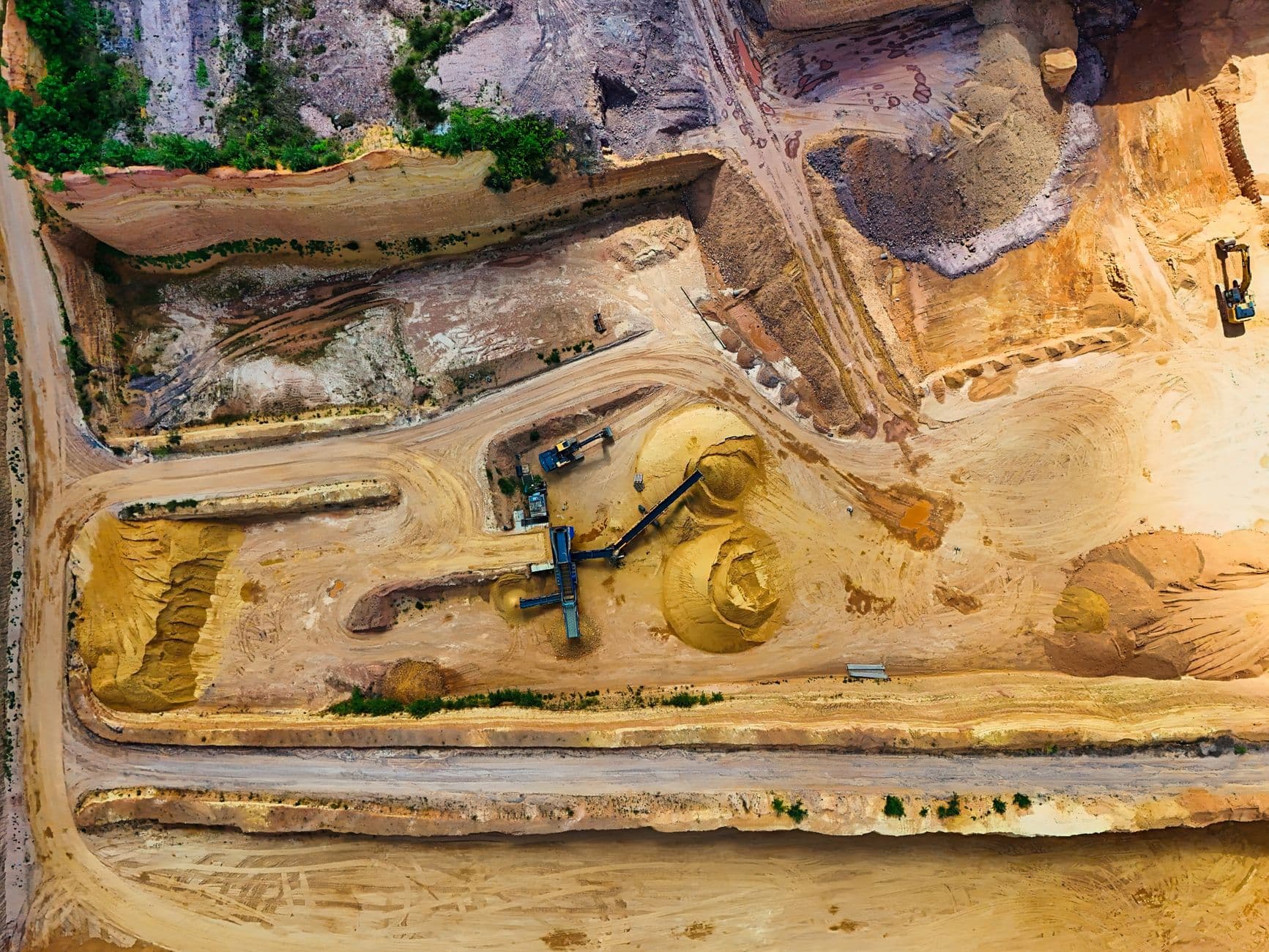
PhotographEnergy Fuels just bet $1.9 billion that the West's rare earths problem isn't underground. It's in the factories that turn ore into magnets—and China owns nearly all of them.

Energy Fuels just spent $1.9 billion on a German magnet maker most people have never heard of. The deal, announced Monday, is the largest rare earths acquisition by a Western miner in years—and it has almost nothing to do with digging holes in the ground.

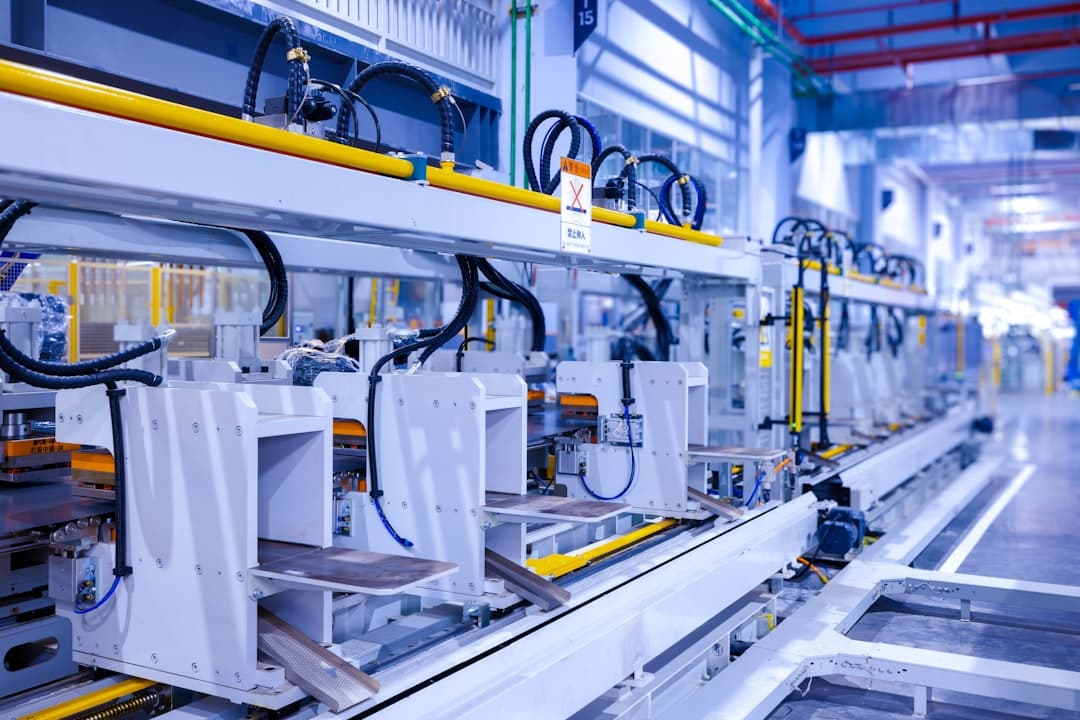
The target is Vacuumschmelze, a century-old manufacturer with over 400 patents and magnet plants across three continents, Benzinga reported. Energy Fuels already owns uranium mines and a rare earths processing mill in Utah. Now it wants the downstream piece: the ability to turn separated oxides into the high-performance magnets that power EV motors, wind turbines, and defense systems. The transaction, expected to close in early 2027, would create what Metal Tech News called a Western platform stretching "mine to finished magnet"—a supply chain structure China spent three decades building and the West is now scrambling to replicate.

The timing is no accident. Britain announced a £50 million critical minerals package this week, and £20 million of it is earmarked for a national rare earth magnet hub, according to Mining.com. The UK also celebrated the opening of its first commercial rare earth magnet facility in 25 years, operated by HyProMag in Birmingham. These aren't mining investments. They're bets on processing, metallization, and manufacturing—the chokepoints where China controls roughly 90% of global capacity, per the International Energy Agency.

Can You Build a Magnet Industry From Scratch?

The Energy Fuels-VAC deal solves one problem and exposes another. VAC brings manufacturing expertise, customer relationships with aerospace and automotive firms, and a recently commissioned 2,000-tonne-per-year magnet plant in South Carolina that can scale to 12,000 tonnes, Benzinga noted. That's the easy part. The hard part is feedstock.

Energy Fuels processes monazite sand at its White Mesa Mill in Utah, producing separated rare earth oxides. But turning oxides into the metal alloys that magnets require is a different industrial capability—one that barely exists in North America today. The company is planning an "American Metals Plant" and has secured a conditional $725 million loan from the U.S. Office of Strategic Capital to fund it, according to Investing.com. Yet as one industry analysis put it, "large-scale rare earth metallization is not a construction project. It is an industrial capability project."

China didn't dominate this market by accident. It invested in mines, refineries, and magnet factories simultaneously over decades, accepting low margins to drive out Western competitors. The result is a supply architecture so concentrated that a single export restriction can ripple through automotive assembly lines and wind turbine plants on three continents. Bloomberg Economics estimates that $1.4 trillion of the U.S. economy is linked to industries that use rare earths.

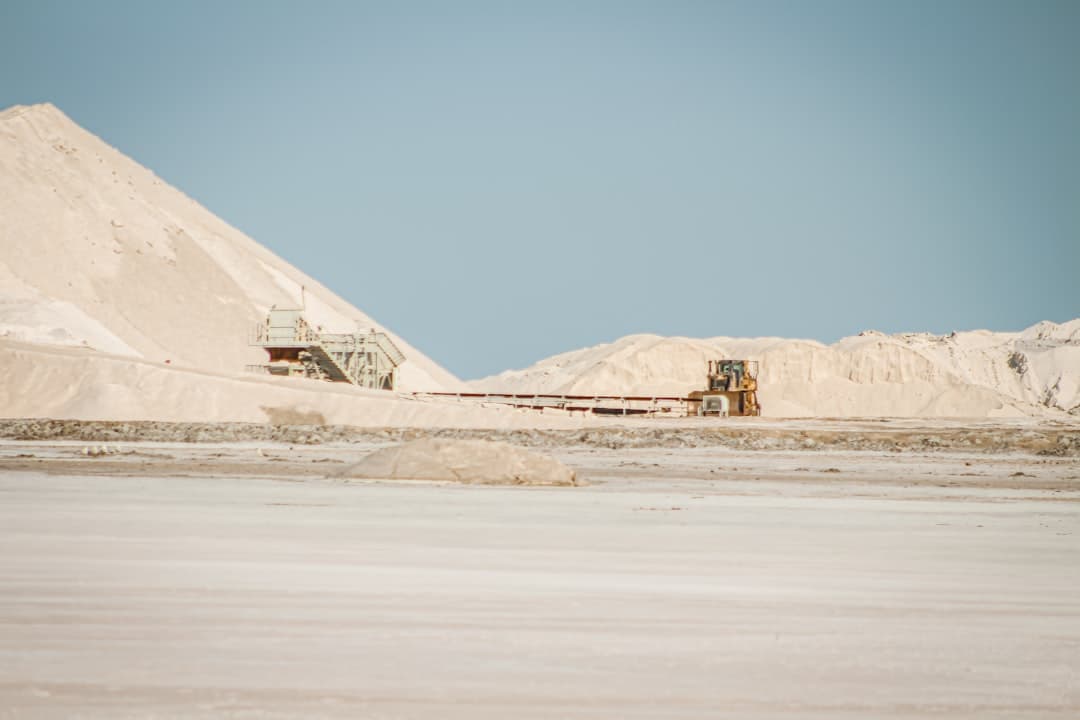
Rio Tinto is taking a different approach. The world's second-largest miner expects its lithium business to grow faster than copper or iron ore as it works to triple production by 2028, an executive told Reuters on Monday. The company jumped into lithium last year with its $6.7 billion acquisition of Arcadium, gaining mines, processing facilities, and a customer base that includes Tesla. Rio plans to produce at least 61,000 metric tonnes of lithium this year and have capacity for 200,000 tonnes by 2028—but only if the market demands it. "It's a market that is trying to find itself, in a way," said Jérôme Pécresse, head of Rio's aluminum and lithium unit.
Where Is Lithium Demand Actually Growing?

That uncertainty reflects a broader shift. Electric vehicles still dominate lithium consumption, accounting for over 70% of total lithium-ion battery deployment, the IEA reported. But battery energy storage systems are growing faster. In 2025, global BESS installations exceeded 315 gigawatt-hours—nearly 50% more than in 2024, according to Benchmark Mineral Intelligence. Grid-scale storage and behind-the-meter projects for data centers are major contributors.

The math is striking. Every one gigawatt-hour of grid storage capacity requires about 900 tonnes of lithium, Lithium Americas CEO John Evans noted in recent industry analysis. That's a large amount of material, and it adds a new layer to how lithium demand is understood. While EV sales have failed to meet ambitious projections in the U.S., the use of lithium-ion batteries in battery energy storage systems has grown rapidly, with demand expected to remain strong in 2026, the Dallas Fed observed. The systems play a critical role in integrating intermittent renewables into the grid and smoothing fluctuations in wholesale electricity prices.

Citigroup, UBS, and Bernstein all see storage demand rising faster than EV growth this year. Some analysts project that lithium demand from storage could rise 55% in 2026 versus just 19% growth from EVs. Not everyone is convinced—CRU Group's Martin Jackson warned that some of the optimism is "dangerously inflated," noting that the number of cells being manufactured for storage systems is "immensely out of step" with the rate of installations.

Still, the trend is real. U.S. battery energy storage capacity is projected to grow 400% from 2025 to 2030, according to data from Benchmark Mineral Intelligence and the Solar Energy Industries Association. Technology companies are deploying large lithium battery systems behind the meter to support reliable power for AI and cloud computing. This broadening of lithium demand reflects developments in energy and technology infrastructure planning that extend well beyond the EV market.

What Changed This Week

The West's critical minerals strategy is shifting from extraction to integration. Energy Fuels' $1.9 billion VAC acquisition, Britain's £50 million package focused on magnet manufacturing, and Rio Tinto's lithium expansion all point to the same conclusion: the bottleneck isn't in the ground. It's in the factories that turn ore into oxides, oxides into metals, and metals into magnets. China built that capability over decades. Western miners are now trying to assemble it in years, backed by billions in government loans and conditional commitments.

What to Watch

Energy Fuels' VAC deal is expected to close in early 2027, contingent on regulatory approvals and the finalization of government financing. Rio Tinto's lithium production targets for 2028 will test whether the market can absorb the supply surge from multiple major producers. The UK's magnet hub and demand aggregation platform are set to launch later this year, offering an early test of whether collective procurement can help Western buyers secure better supply terms. And in the U.S., watch for updates on metallization plant construction timelines—the piece of the puzzle that remains largely unproven outside China.

Original reporting and analysis by the Stake & Paper editorial team. See linked sources within the article.

Share this story

More from Stake & Paper

Was this article helpful?

ClaimWatch

Mining claims intelligence — from query to report, in minutes.

Every unpatented mining claim across all twelve BLM states. Leadfile audits, due diligence, site selection, regional prospecting, entity investigations, and AOI monitoring — delivered as complete report packages.

4.4M+
Claims Tracked
12
BLM States
7
Report Types
Request a Sample Report
Stake & Paper AM

One morning brief. The whole energy sector.

Original analysis, the day's most important wire stories, and market data — delivered before your first cup of coffee. Free.