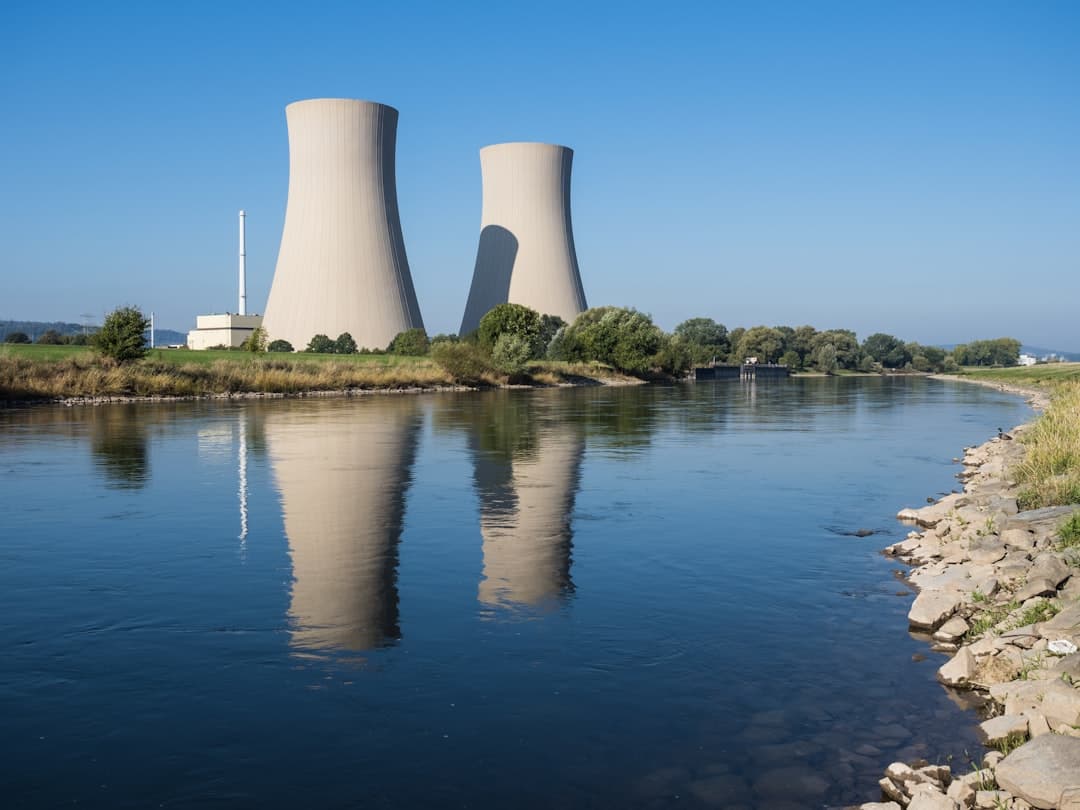
Ninety-four thousand metric tons of spent nuclear fuel sit in cooling pools and dry casks across the United States. For decades, the industry called it waste. Now, as artificial intelligence devours electricity at a pace that could double data center consumption by 2026, that "waste" is looking more like a strategic reserve—one that could power the nation for a century if recycled properly, according to analysis published in American Affairs Journal.
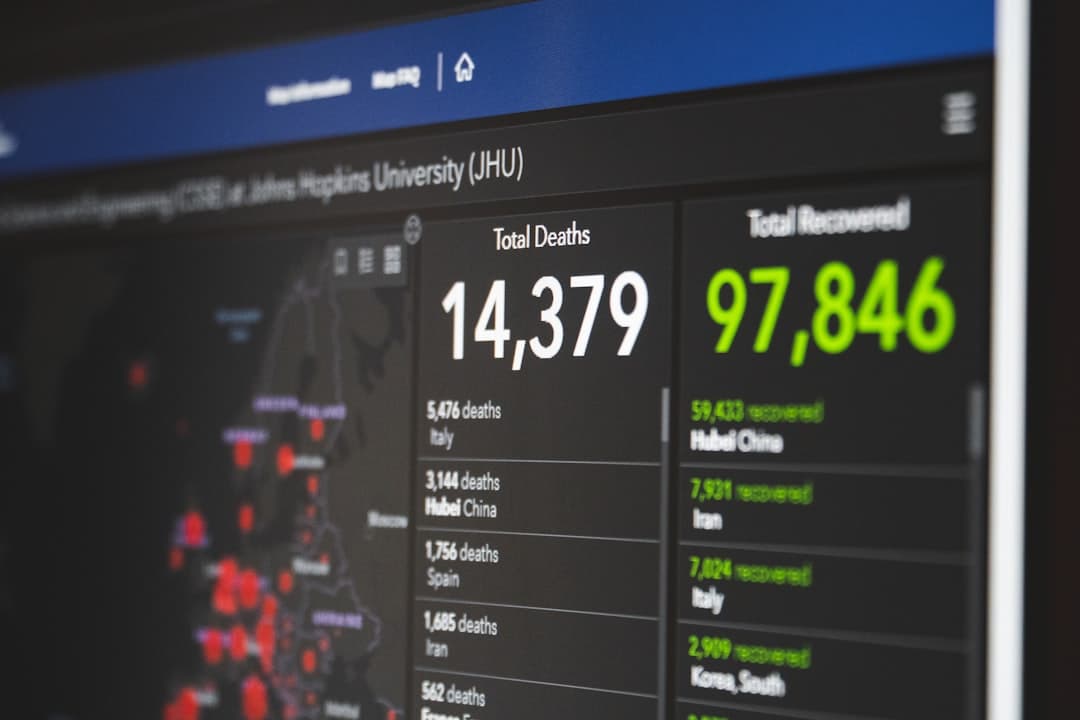
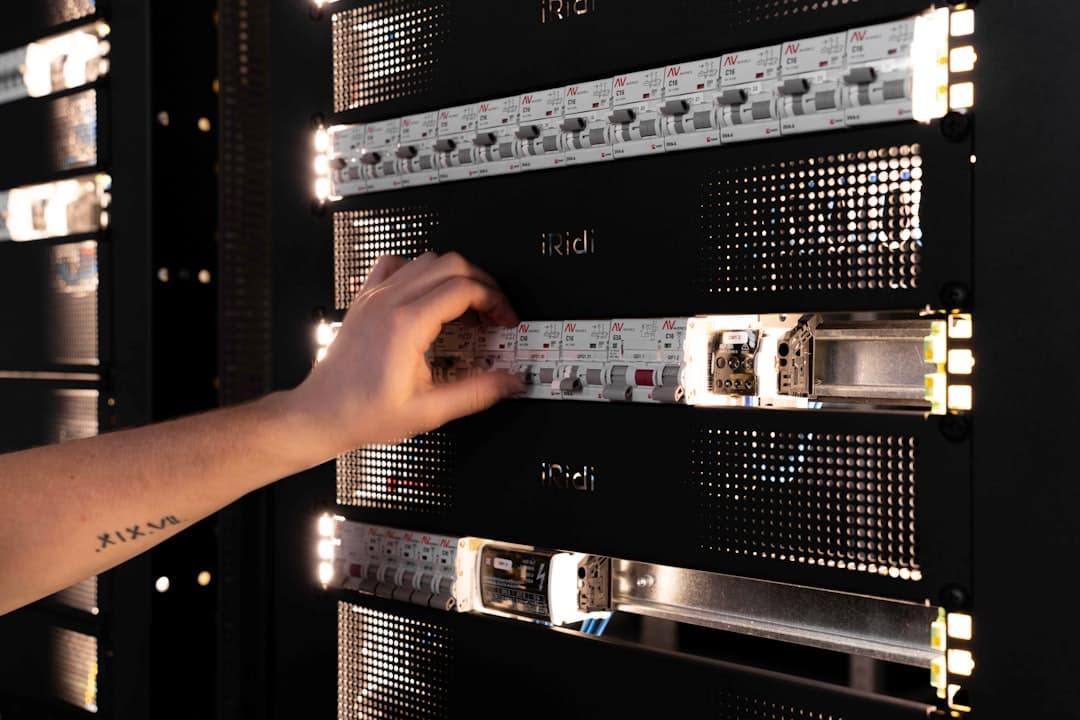
Data centers, AI, and cryptocurrencies accounted for 2% of global electricity consumption in 2022, a figure the International Energy Agency projects may double by 2026.
Goldman Sachs analysts estimate that 85-90 gigawatts of new nuclear capacity would be needed to meet all data center power demand growth expected by 2030, but well less than 10% will be available globally by then. That gap is forcing tech giants and policymakers to reconsider two things the U.S. nuclear industry has long avoided: recycling spent fuel and confronting Russia's stranglehold on uranium enrichment.
Can Spent Fuel Actually Power AI?
Less than five percent of the potential energy in the nation's nuclear fuel is extracted after five years of operation in a commercial reactor, according to the Department of Energy. The rest—uranium, plutonium, and other fissionable materials—remains locked in rods that utilities store on-site because the U.S. has no commercial reprocessing infrastructure. The United States does not currently recycle spent nuclear fuel, though countries like France and Russia do; there are no commercial reprocessing operations in the United States.
That is changing. In February, the Department of Energy awarded over $19 million to five U.S. companies to research and develop recycling technologies for used nuclear fuel, supporting efforts to maximize reliable power production and end U.S. reliance on foreign sources of enriched uranium.
California-based Oklo announced plans to design, build, and operate a spent fuel recycling facility in Oak Ridge, Tennessee, as part of a $1.68 billion advanced fuel center that will reprocess spent fuel into fresh fuel for fast reactors.
The latent energy inside America's stockpile of civilian and military nuclear waste is greater than that of Saudi Arabia's proven oil reserves; if advanced reprocessing technology were combined with the deployment of next-generation fast reactors, spent fuel reserves could meet all U.S. energy needs for one hundred years, according to some estimates. The math is staggering. The problem is execution. Reprocessing shut down in the U.S. in 1977 due to proliferation concerns, and experts caution it is far from a neat cyclical solution, with associated risks, energy costs, and waste streams of its own.
Still, the AI power crunch is rewriting old assumptions. Meta's agreements with Vistra, TerraPower, Oklo, and Constellation make it one of the most significant corporate purchasers of nuclear energy in American history.
In January 2026, Meta partnered with Oklo to develop a 1.2 GW power campus in Pike County, Ohio, housing 16 Aurora Powerhouse reactors across 206 acres, with the first reactors expected to be operational by 2030. These aren't theoretical commitments. They are billion-dollar bets that nuclear—including recycled fuel—can deliver firm, carbon-free power at the scale AI demands.
Why Does Russia Still Control the Fuel?
Here is the uncomfortable truth: Russia controls 40-44% of global uranium enrichment capacity, a position solidified by decades of investment in its state-owned Rosatom complex, which spans uranium mining, conversion, enrichment, and fuel fabrication; this dominance extends to 40% of the world's enriched uranium supply.
As of 2026, Russia maintains its top spot globally for enriched uranium, anchoring nearly 30-45% of global enrichment services since 2021; in 2023, enriched uranium exports topped $2.32 billion, with the United States alone responsible for over $1.19 billion—just before sanctions kicked in.
Russia is the sole commercial supplier of HALEU—high assay low enriched uranium—which is crucial for advanced reactor designs such as small modular reactors, next-generation naval propulsion, and space nuclear applications; the only HALEU enrichment facility in the United States is operated by Centrus, the only company to have an approved waiver to source enriched fuel from Russia. That dependency is a chokepoint. A law banning the import of uranium from Russia came into effect in August 2024, but waivers until the end of 2027 ensure that critical reactor fuel remains available during the shift away from Moscow's supply.
The geopolitics are messy. Russia is strategically shifting exports to China and Brazil, leveraging geopolitical fragmentation and reactor-specific dependencies in countries like Hungary and Slovakia.
Russia commands approximately 46% of global uranium enrichment capacity, 20% of conversion services, and serves as the primary supplier for VVER reactor types across Central and Eastern Europe. Even as the West tries to diversify, Rosatom offers its clients a full package that includes financing, regulator formation, technical support, labor, and fuel, and crucially, take-back agreements to ship spent fuel rods to Russia for reprocessing—agreements that play a key role in the "one-stop" approach that allows Russia to lock developing countries into its nuclear industrial base.
Recycling spent fuel domestically would break that cycle. Building domestic recycling capacity would enable American nuclear companies to reach economies of scale more quickly and compete with the end-to-end fuel cycle offering of Russian rivals. It is not just about energy independence. It is about who controls the infrastructure that powers the next generation of computing.