China blacklisted MP Materials and USA Rare Earth on Monday, adding both companies to its export control list in what Beijing called a move to "safeguard national security and interests." The timing was pointed. Just days earlier, G7 leaders meeting in Évian-les-Bains, France, announced a new alliance designed to wean their supply chains off China, which currently controls over 90% of the processing for key minerals like rare earths and permanent magnets.
The blacklisting is mostly symbolic— both companies say they have largely cut off supplies of equipment and materials from China —but the message is clear. As Western economies scramble to build alternative supply chains for lithium, cobalt, copper, and rare earths, Beijing is reminding them just how far they have to go. Lithium demand alone is projected to rise by 353% between 2024 and 2040, according to UNCTAD. The question is who will control the infrastructure to meet it.
Can the West Actually Break China's Grip?
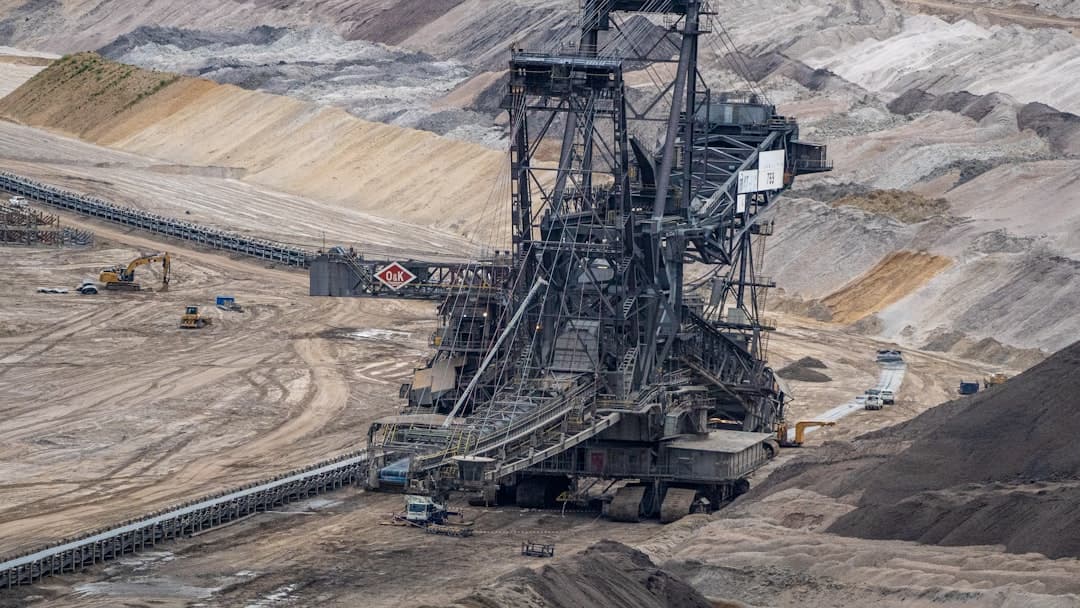
While China's global share of rare earth mining is about 70%, its dominance in processing is staggering: roughly 90% of the world's entire supply of processed rare earth minerals comes from China. That concentration extends across the value chain. In 2025, the Democratic Republic of the Congo accounted for 74% of global cobalt mine production, Indonesia for 67% of global nickel mine production, and China for 69% of rare earth mine production.
China also dominates refining for rare earths, lithium, and cobalt, while Indonesia accounts for 43% of global nickel refining capacity.
The G7's response is ambitious on paper. The new framework builds on the Critical Minerals Production Alliance launched in June 2025, which has already mobilized $6.4 billion in investments and supported 26 projects across critical mineral supply chains.
Leaders aim to reduce dependence on any one supplier outside the G7 for rare earths and permanent magnets to below 60% by 2030, with an ultimate goal of 50% "as soon as possible."
But the gap between ambition and capacity is vast. The 60% target will be challenging, analysts said, especially in terms of processed rare earths and magnets where China controls 90% of global output.
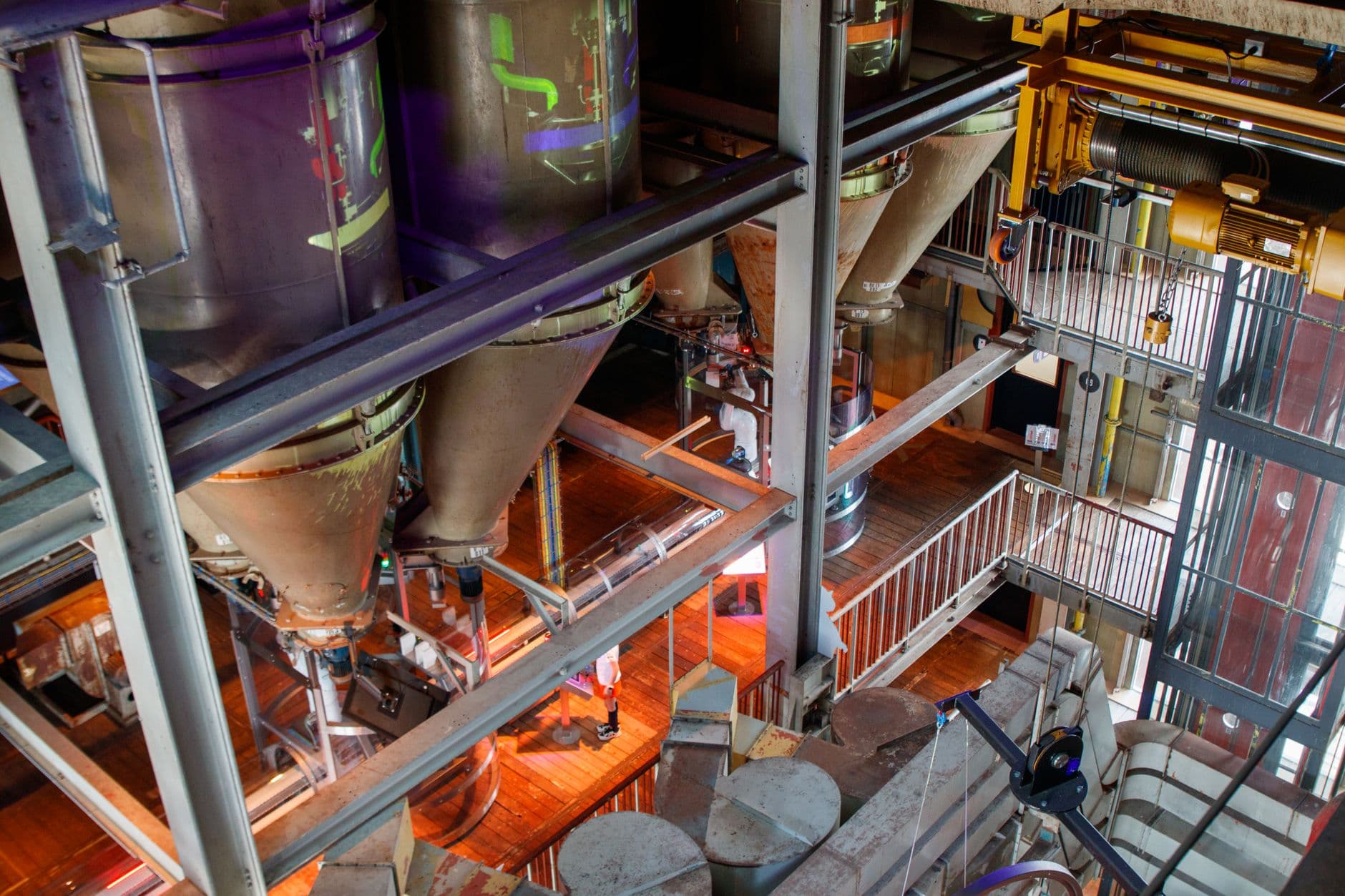
Building a mine takes years, building a refinery takes years, and building the technical expertise to process rare earths at competitive quality and cost takes even longer.
Copper offers a parallel story. Copper rose to $6.35 per pound on June 22, according to market data. Prices have been volatile but remain elevated. Copper prices are being underpinned by supply tightness rather than demand growth, with the 2026 average price forecast remaining just above $12,100 per tonne due to concentrate shortages and limited new mine supply, S&P Global reported.
The copper concentrate market is expected to remain tight for years, with a cumulative deficit of roughly 3 million tonnes projected by 2036.
Who's Winning the Scramble for Supply?
The U.S. is throwing money at the problem. The U.S. House of Representatives passed the DOMINANCE Act on June 9, bipartisan legislation aimed at strengthening U.S. energy security, reducing reliance on China for critical minerals, and building more resilient supply chains with trusted allies and partners.
Representative Ami Bera noted that "China controls roughly 90% of global rare earth processing capacity, creating a strategic vulnerability that Beijing has shown it is willing to exploit through export restrictions and economic coercion."
Washington is also looking offshore—literally. The U.S. Bureau of Ocean Energy Management is moving forward with evaluating offshore critical mineral development off the coast of Virginia, issuing a Request for Information aimed at gauging industry appetite, with a notice scheduled for publication in the Federal Register on June 23.
The initiative is part of the Trump administration's broader push to expand domestic production of critical minerals used in manufacturing, defense systems, and emerging technologies while reducing dependence on foreign supply chains.
Meanwhile, the U.S. has supported Virtus Minerals in developing two major mines producing cobalt and copper in the Democratic Republic of the Congo, claimed to be the first U.S. rare earth minerals acquisition in the African nation since President Trump announced the Washington Accord last December, Fox News reported.
The Strategic Studies Institute reported that 80% of the world's cobalt is produced in the DRC—and 80% of that is controlled by China.
Brazil is charting its own course. Brazilian state-run development bank BNDES will partner with miner Vale and oil company Petrobras on critical minerals, the bank's head Aloizio Mercadante said on Monday, with President Lula asking BNDES to invest in artificial intelligence and biotechnology.
Brazil ranks first in niobium (holding nearly 90% of world reserves), second in rare earths and graphite, third in nickel, and sixth in lithium.
IBRAM projects $76.9 billion in sector investment over the 2026–2030 cycle, with critical and strategic minerals alone accounting for $21.3 billion.