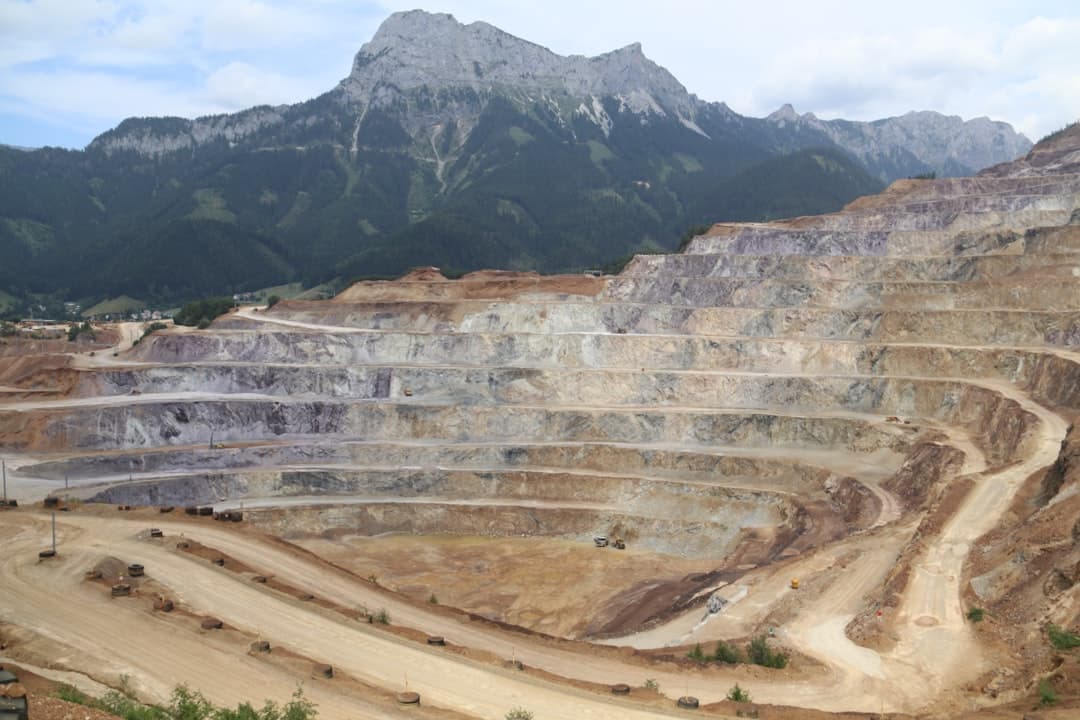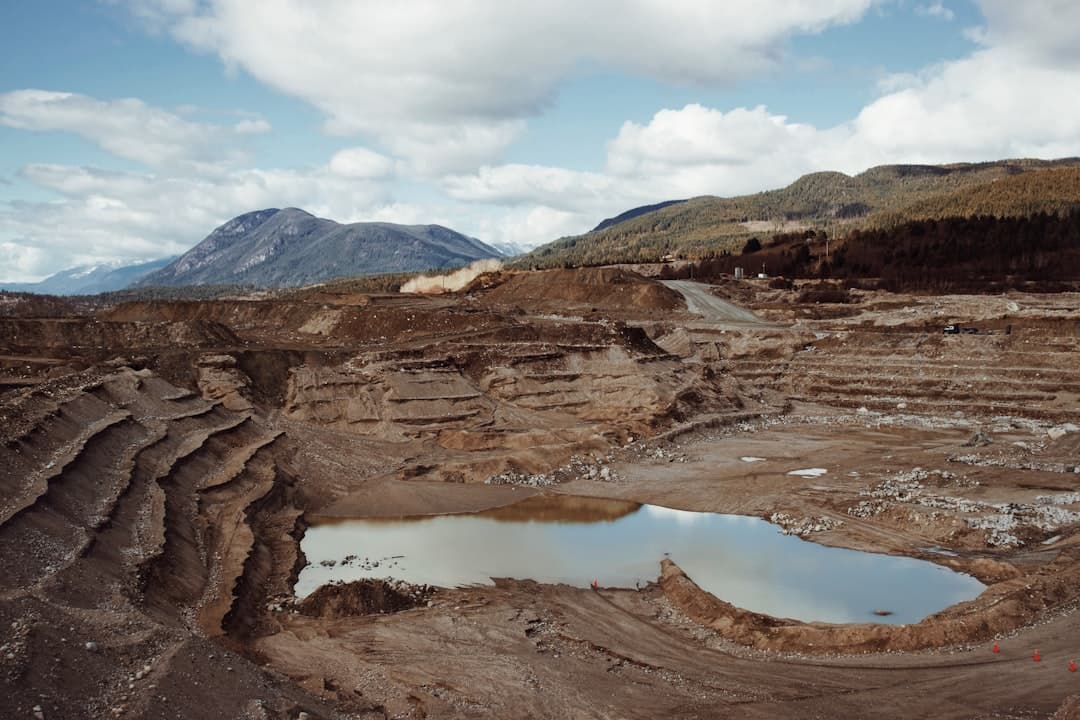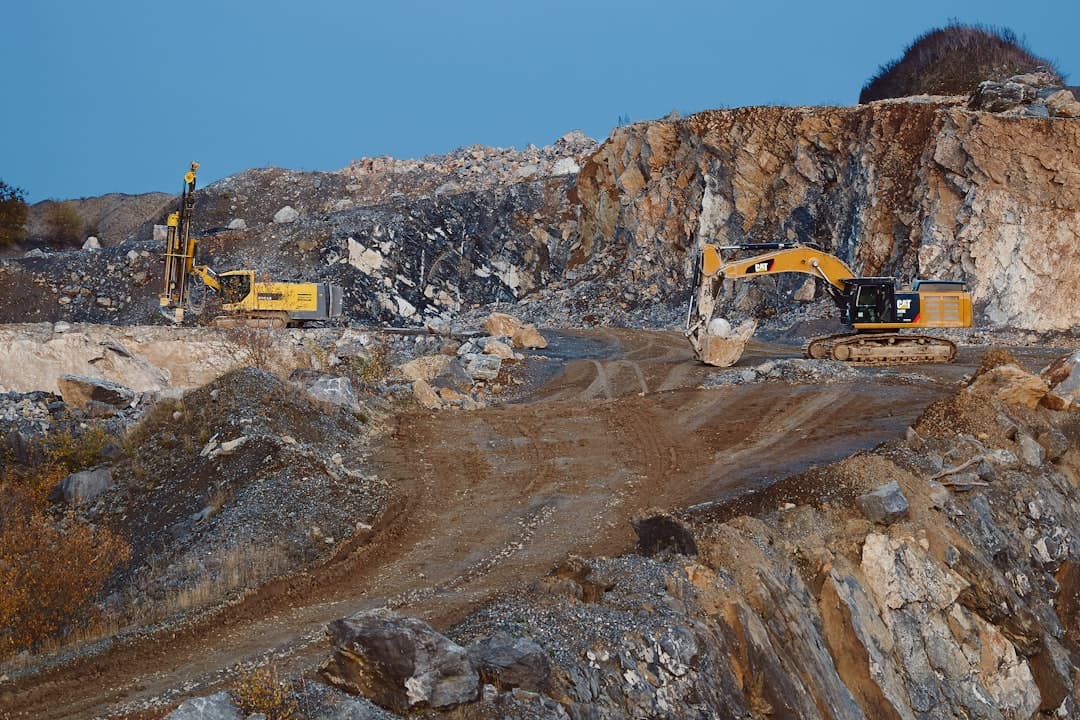
Eighteen months of silence ended Monday when Mineral Resources announced it would restart its Bald Hill lithium mine in Western Australia, with crushing and mining operations to begin in June and first production of spodumene concentrate from July, Bloomberg reported . The timing is no accident. Lithium carbonate prices in China surpassed CNY 175,000 per tonne in May, gaining 50% this year to approach the highest level since 2023, according to Trading Economics .
That's roughly $24,500 per tonne—enough to make mothballed mines profitable again. The restart follows what MinRes called "a significant and sustained recovery in lithium prices," with managing director Chris Ellison saying "the time is right to restart operations at Bald Hill," Mining.com reported . The mine was placed on care and maintenance in November 2024 to preserve capital until market conditions improved . Conditions have improved. Once Bald Hill resumes production, MinRes will be the only company globally operating three hard rock lithium mines, each with their own spodumene concentrate facilities .
The Australian restart is part of a broader pattern. Lithium prices surged in Q1 2026, with battery-grade lithium carbonate nearly doubling from about $13,433 per metric ton in early December to $26,278 by late January—a 95% increase, according to Investing News . That rally has since moderated but remains elevated, driven by what analysts describe as a perfect collision of constrained supply and accelerating demand.
Can Supply Keep Pace With Storage Demand?
The lithium market's recovery isn't just about electric vehicles anymore. Demand for lithium in energy storage applications jumped about 71% in 2025, and analysts expect another 55% growth in 2026 . Data centers powering AI infrastructure are emerging as a significant new source of demand. Fresh buying is featured from data center operators, whose power storage systems require more lithium than those used by EVs, Trading Economics noted .
That demand is hitting a supply chain still recovering from two years of brutal price declines. The rally reflects growing supply-side pressure, including delays at key operations such as CATL's Jianxiawo lepidolite mine in China, ongoing maintenance at other facilities and increased competition for material tied to long-term contracts, according to Fastmarkets . The International Copper Study Group recently abandoned its previous surplus projections, now forecasting a 150,000-tonne deficit for 2026 —though that's for copper, not lithium, the pattern of tightening supply is similar across critical minerals.
The question is whether restarts can happen fast enough. Australian miners would exercise significant caution when restarting spodumene production due to financial, logistical, and regulatory challenges, with confidence depending on sustained high prices of over $1,000/mt for six months. Even after deciding to restart, the process typically takes at least 12 months, S&P Global reported .
Meanwhile, new projects are moving forward. EnergyX and Compass Minerals entered into an agreement to advance EnergyX's planned 30,000 tpa commercial-scale direct lithium extraction plant near Utah's Great Salt Lake, with the site holding an identified domestic resource of up to 2.4 million metric tons of lithium carbonate equivalent . EnergyX will invest more than $400 million using its direct lithium extraction technology, a move that comes as the 75% rise in lithium prices this year and President Trump's push to increase domestic minerals output are drawing companies to the sector, Reuters reported .
Why Is the Pentagon Racing Against the Clock?
Eight months. That's how long the Pentagon has to build an alternative to China's rare earth supply chain before the entire American defense system is banned from using any Chinese-origin rare earths materials beginning in January 2027 .
The urgency is real. From an office a few blocks from the White House, a group of former Wall Streeters is at the forefront of the Pentagon's plan to crack China's critical-minerals stranglehold, with their goal to create an independent source for the rare earth elements and magnets used in everything from microwave ovens to missiles and prevent a repeat of last year, when President Trump was forced to back down in his trade war after China cut off supplies, Bloomberg reported .
The team has been dubbed "Deal Team Six" internally. The Pentagon group is known as "Deal Team Six" in a half-joking reference to the Navy's elite Seal Team Six, and it's racing to put together creative deals with billions of dollars in equity stakes, long-term price floors, purchase commitments, loans and other financial tools, The Japan Times reported .
The scale of China's dominance is staggering. China supplies 91% of refined rare earths and 92% of magnets, according to J.P. Morgan Global Research . China produces about 70% of rare earths globally and processes about 90%, Fortune has reported . That concentration creates vulnerabilities that extend far beyond defense. Ford shut down production at its Chicago-area Explorer plant for roughly one week in May 2025 after shortages of rare earth magnets interrupted component supply, while Suzuki halted production of its Swift model at Japan's Sagara plant from May 26 through June 6, and European auto suppliers reported delayed shipments tied to China's licensing system .
The Pentagon's response has been aggressive. Investments represent "a billion dollars direct investment, nearly, and then commitments to buying rare earths, billions of dollars in the National Defense stockpiles, $5 billion from Congress within the industrial base fund to go ahead and invest in mineral deals," Defense One reported, citing assistant defense secretary Mike Cadenazzi . President Trump announced Project Vault in February, a landmark initiative establishing a domestic strategic reserve for critical minerals, with the EXIM Board approving a Direct Loan of up to $10 billion—more than double the largest financing in EXIM's history .
But money alone won't solve the problem. Rare earths "aren't actually rare, they're just incredibly dirty to process," Cadenazzi said, adding that after the Cold War "we took our hard-won science and our world-leading investments in technologies and said, 'Here China, why don't you do this?' We did because we didn't want to pollute, and that's fair. But as a result…we lost two generations of scientists and engineering and business to learn how to go do this better" .