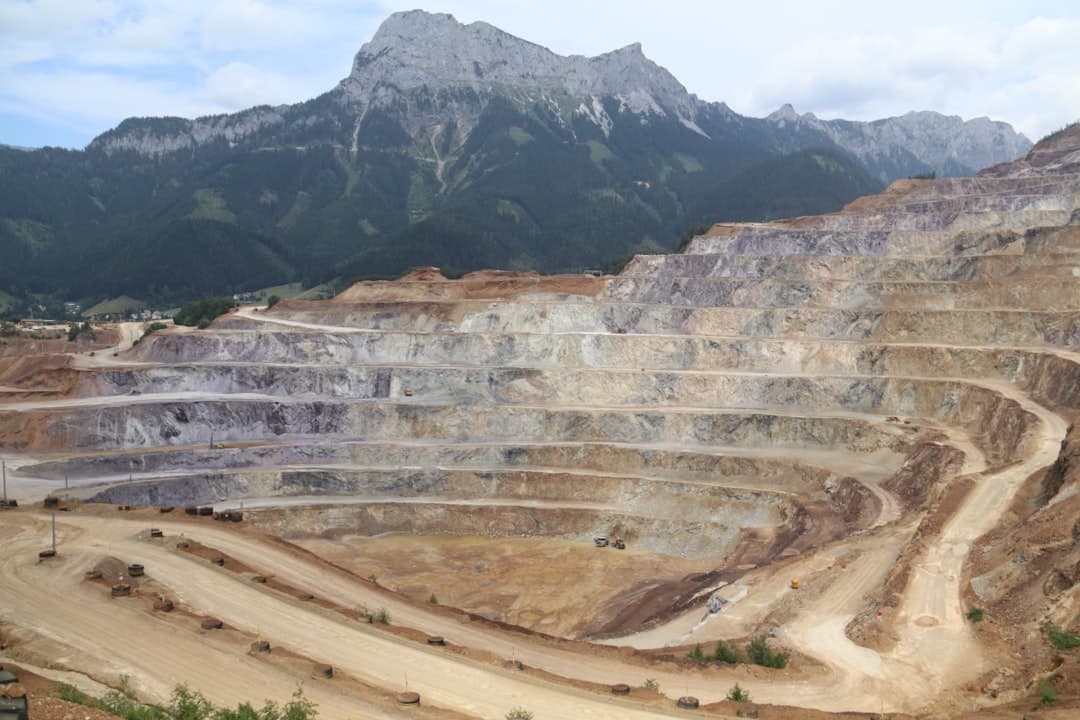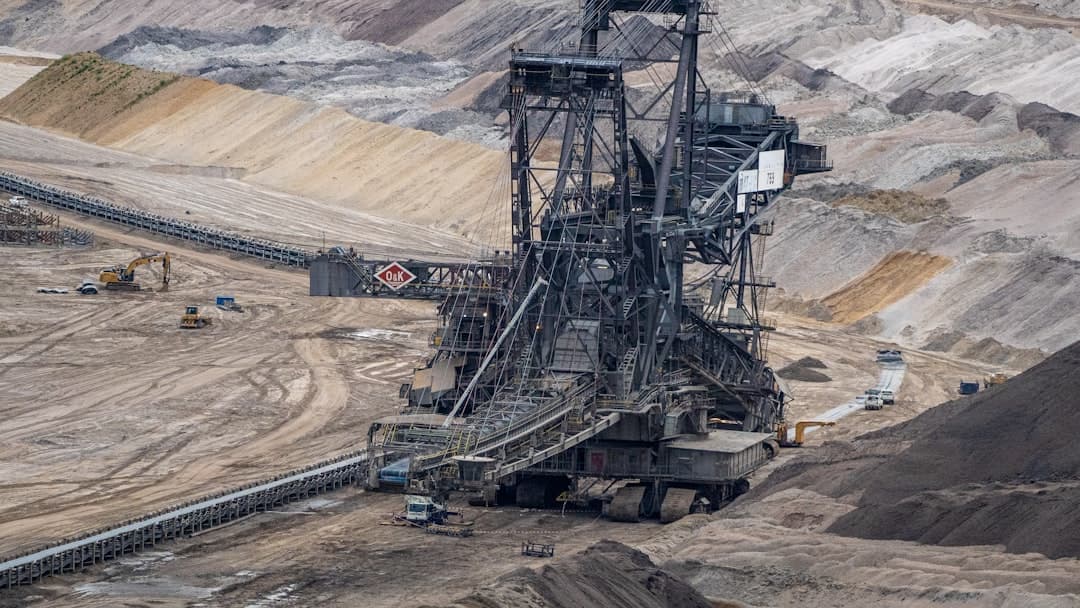
Eighty-two people died in a gas explosion at China's Liushenyu coal mine on Friday evening. The accident in Shanxi province was the country's deadliest mining disaster in recent years , NPR reported. The mine, operated by Shanxi Tongzhou Coal & Coke Group with an annual production capacity of 1.2 million tons, was placed on a national list of disaster-prone coal mines by China's National Mine Safety Administration in 2024 for having "high gas content" , according to NPR.
The market response was immediate. Coking coal prices on the Dalian Commodity Exchange surged 8% to hit the equivalent of $186.76 per ton, OilPrice.com reported. That's roughly the price of a barrel of Brent crude -- for a ton of coal. Shanxi province's hundreds of thousands of miners dug 1.3 billion tons of coal last year, almost a third of China's total , NPR noted. The blast triggered safety inspections across the province that will constrain production in the near term, putting pressure on steel mills that depend on coking coal to fire blast furnaces.
Can China's Steel Industry Absorb the Shock?
The World Steel Association's October 2025 Short Range Outlook projects global steel demand to stabilise at 1.75 billion tonnes in 2025, with a 1.3% rebound expected in 2026 , according to The Coal Hub. But China's steel sector is already under strain. Coal use in energy-intensive industry in China declined as steel and cement output shrank by 4% and 7%, respectively , the IEA reported in its Global Energy Review 2026.
The timing couldn't be worse. While production was strong in H1 2025, growth slowed from July due to intensified safety inspections and regulatory actions to curb overcapacity , according to a February industry report. Now those safety inspections are intensifying again. The state broadcaster also reported that blueprints provided by the coal mine did not match the actual layout, hampering rescue efforts , CBS News reported -- a detail that suggests deeper systemic failures.
India's steel boom — reliant on imported metallurgical coal — remains a key driver for seaborne coal trade , The Coal Hub noted. If Chinese coking coal production stays constrained, India and other buyers will compete harder for Australian and Indonesian supply. That could push metallurgical coal prices higher even as thermal coal markets remain oversupplied.
What's Australia Doing About Its Own Gas Crunch?
Halfway around the world, Australia announced a different kind of resource intervention. On 7 May 2026, the Government announced that from 1 July 2027, Australian LNG exporters will be required to supply for domestic use 20% of their gas exports, in respect of export contracts entered into since 22 December 2025 , law firm Allens reported.
The policy aims to ease forecast shortages on Australia's east coast, where LNG export terminals have been siphoning gas away from domestic users for over a decade. Although Australia is one of the world's largest LNG exporters, the country exports more natural gas than it consumes locally. However, most of its major gas reserves are located in the remote northwest, while demand is heavily concentrated along the populous southeast coast. This geographical imbalance has contributed to concerns about supply shortages and rising energy prices in eastern Australia , Modern Diplomacy reported.
20% of export volumes represents around 60% of the east coast gas market , according to industry group Australian Energy Producers, which called the intervention "heavy-handed." But the government is betting that forcing exporters to reserve gas domestically will decouple local prices from the wild swings of international LNG markets -- swings that have been particularly violent since the Strait of Hormuz disruptions began in late February.