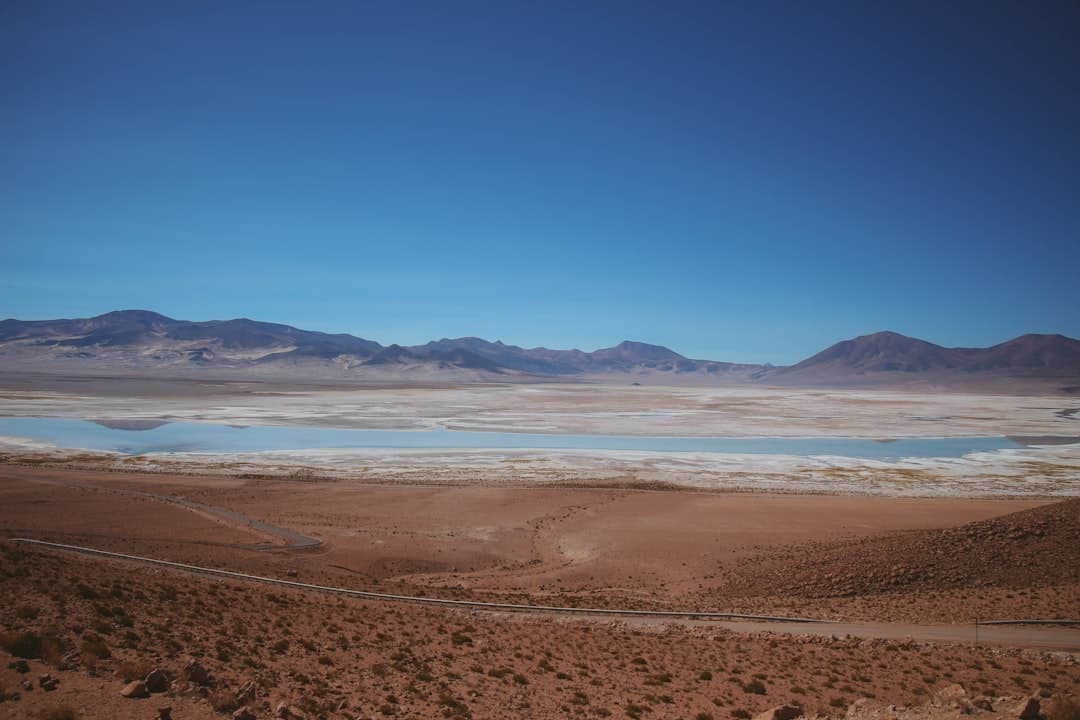
Chile's lithium export revenue hit $3.2 billion between January and June, nearly triple the value recorded a year earlier and 34.4% above the country's total lithium exports for all of 2025 , according to figures published by the country's central bank on Wednesday. That's enough to run Japan's electric vehicle fleet for six months.
The surge comes as demand remains strong because lithium is a key material for electric vehicles, energy storage, electronics, AI-related technologies and data centres , the Chilean government said. But while lithium producers are riding high on price recovery and robust demand, another critical link in the battery supply chain is quietly breaking. Copper smelters—the processors that turn mined concentrate into refined metal—are bleeding cash at rates that threaten the entire midstream infrastructure the energy transition depends on.
Can Smelters Survive When Processing Fees Go Negative?
The annual treatment and refining charge benchmark settled at $0 per tonne in January 2026, the lowest level ever agreed in annual negotiations , the International Energy Agency reported. Spot treatment charges reached -$66.40 per tonne in Q1 2026, meaning smelters now pay miners for concentrate access rather than receiving payment for processing services , according to market data compiled by Discovery Alert.
The inversion is structural, not cyclical. A surge in smelter capacity additions from China has significantly outstripped growth in copper concentrate production, and as a result, competition among smelters for concentrate has ramped up, sharply weighing on smelter fees , the IEA noted. China's top smelters have agreed to cut production by over 10% in 2026, and the government has halted around 2 million tonnes of planned new smelting capacity to address the crisis.
Some smelters are staying afloat by leaning on by-products. Revenues from selling by-products such as gold, silver and sulphuric acid have recently been at record highs, helping smelters that have access to by-product-rich concentrate offset losses from low treatment charges , the IEA said. But that's a lifeline, not a business model. When gold and silver prices normalize, the structural problem resurfaces: there's too much smelting capacity chasing too little concentrate.
The lithium boom in Chile underscores the paradox. First-half copper exports rose 11.5% year-over-year to $30.2 billion, supported by higher prices and stronger shipments , Mining.com reported. Chile is producing more copper than ever—but the smelters that turn that copper into usable metal are operating at a loss.
Where Are the Real Chokepoints?
Washington is betting the answer lies in processing, not just mining. REalloys Inc., Titan Mining Corp., ioneer Ltd. and Energy X have reached agreements with the Pentagon to build facilities for processing rare earth minerals, graphite, lithium and boron on U.S. Army bases, with Titan Mining building a graphite purification facility and EnergyX and ioneer developing lithium and boron plants , Bloomberg reported in late June. The awards are the first time the Army has sited commercial mineral processing facilities on American military installations , the Army said.
The logic is clear: President Donald Trump's administration is racing to boost production of critical minerals on U.S. soil in an effort to reduce dependency on imports, especially from China, as the minerals are essential to consumer electronics, automobiles and defense technologies , Mining.com reported. The companies are expected to start building the plants as early as 2027, with mineral production expected to begin by 2028 .
Meanwhile, India and Indonesia signed deals this week to strengthen critical minerals supply chains. Indonesia and India signed a raft of deals on critical minerals, agriculture and defence, including memorandums of understanding for strengthening supply chains in critical minerals and steel , Reuters reported Tuesday. Indonesia commands the world's largest reserves of nickel, reaching 62 million metric tons, but has stopped exporting raw nickel ores and is limiting shipments to processed goods , the Jakarta Globe noted.
The pattern is consistent: governments are moving beyond mine-mouth extraction and targeting the processing bottleneck that China has dominated for two decades.