The current energy crisis is unlike anything the world has experienced in decades. According to Reuters, the International Energy Agency's chief stated that the ongoing oil and gas crisis is "worse than 1973, 1979, 2022 together"—a sobering assessment that underscores the severity of today's market disruption.
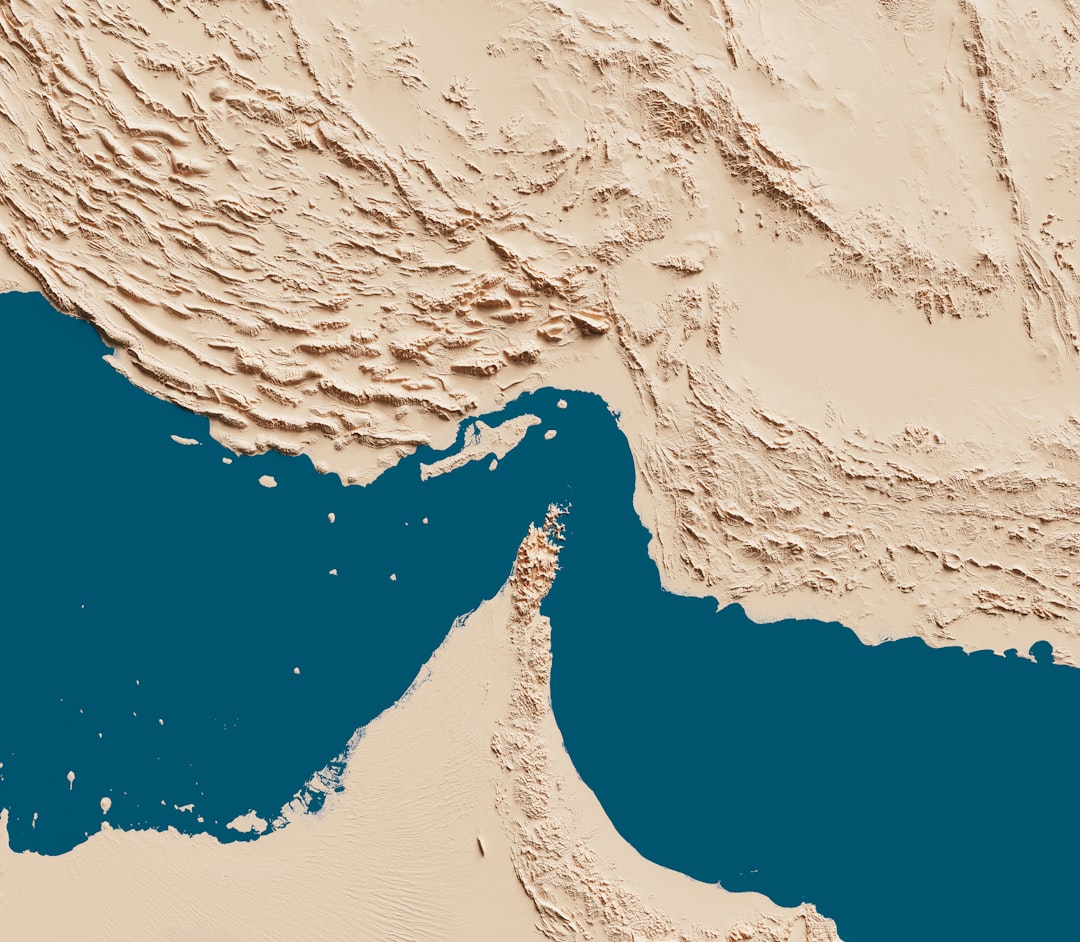
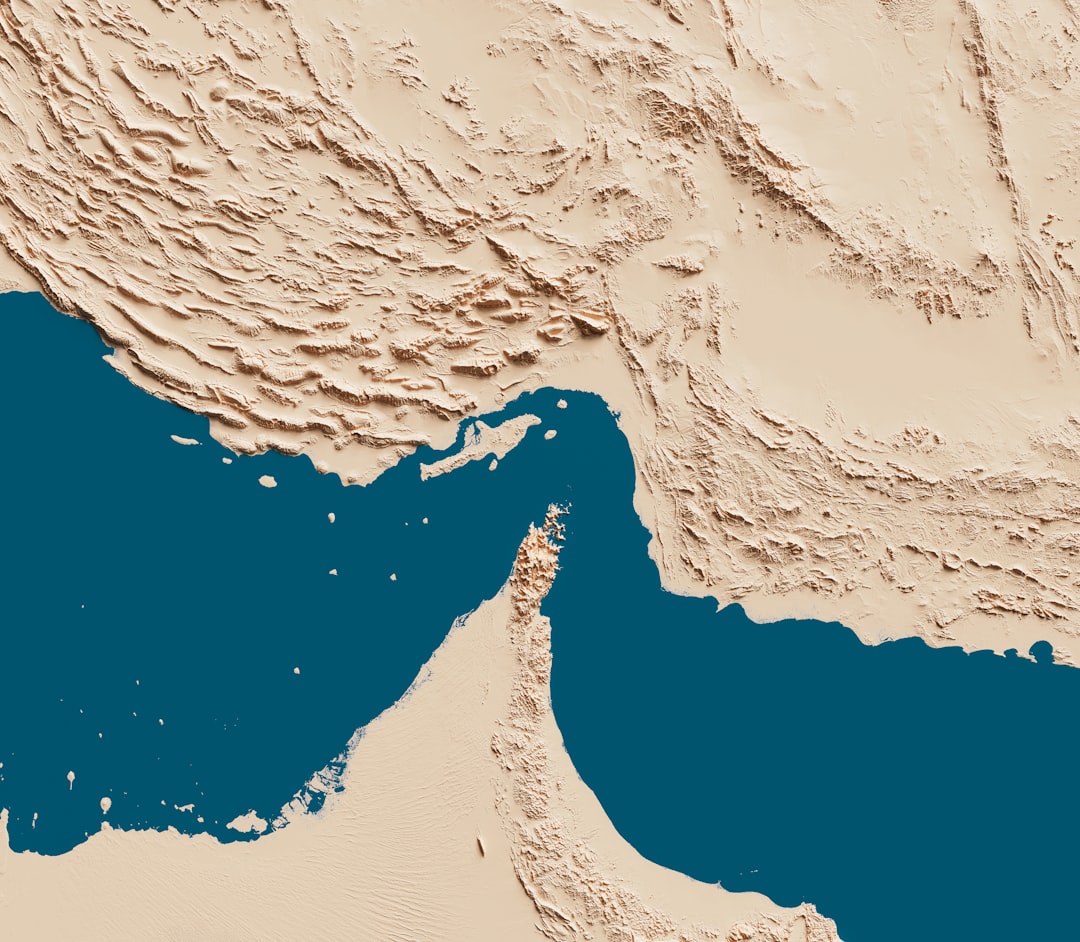
The immediate trigger is stark: WTI crude surged to $115.8 per barrel, its highest level since April 2008, according to OilPrice.com reporting on April 7. The spike followed reports that strikes targeted Iran's Kharg Island, which handles roughly 90% of the country's oil exports. Brent crude climbed to $111.0 in tandem. These aren't abstract numbers—they're reshaping energy economics in real time across continents.
The shock waves are already rippling through unexpected corners of the global economy. According to Reuters, India's sugar and edible oil demand has dropped as commercial gas shortages hit restaurants. Meanwhile, OilPrice.com reported that fuel consumption in India last month reached 21.37 million tons, the highest since December 2025, even as liquefied petroleum gas supplies tightened. India sources 90% of its LPG imports, making it particularly vulnerable to supply disruptions from the Strait of Hormuz closure.
When Energy Shocks Become Systemic Threats
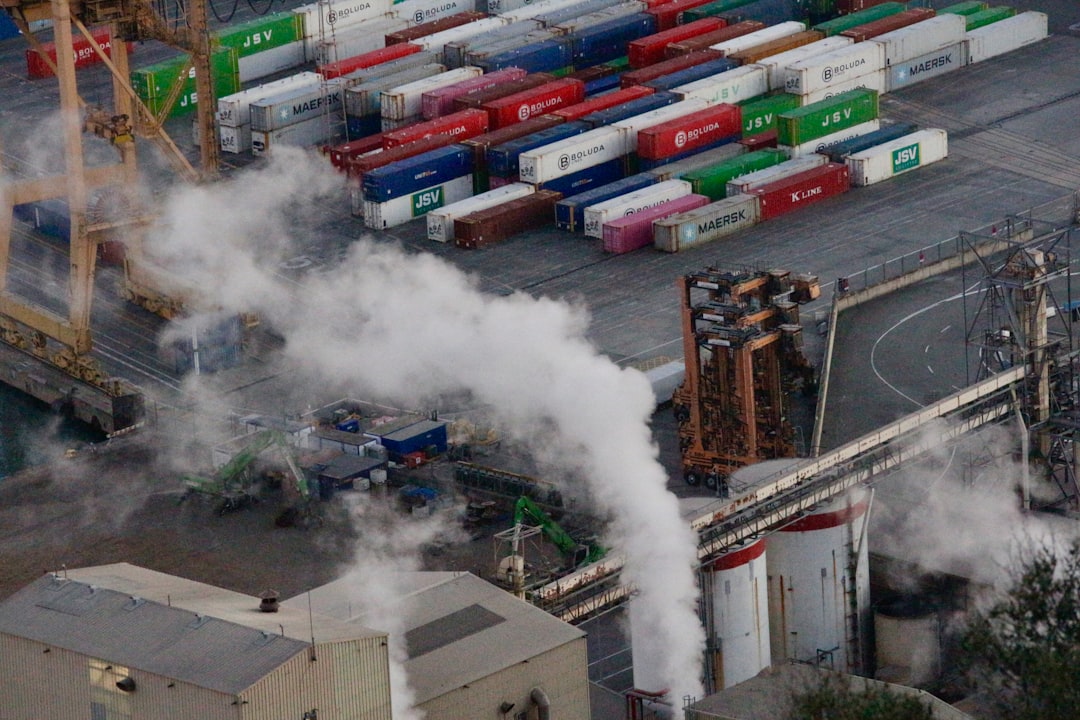
The problem extends far beyond fuel availability. OilPrice.com warned on April 6 that the worst supply shock in the history of the oil market is spilling over to critical supply chains, threatening shortages of medical supplies, fertilizers, semiconductors, and everyday consumer goods including textiles, footwear, and cosmetics. When the Strait of Hormuz is shut, the naphtha, ammonia, urea, and helium supply that the Middle East would typically export via this chokepoint becomes trapped, cascading through manufacturing globally.
Brazil offers a cautionary tale. According to Reuters, the country's free cooking gas program is threatened by the energy price spike ahead of elections, illustrating how energy crises don't just affect markets—they destabilize social programs and political stability.