Mining · Analysis
How is lithium mined and processed?
Lithium is extracted from mineral deposits and salt brines through mining and evaporation, then chemically processed into battery-grade compounds used in energy storage and electric vehicles.
Energy Standard Editorial TeamApril 2, 2026
Lithium is extracted from the earth through two primary methods: hard rock mining and brine extraction. Once extracted, the raw lithium material undergoes chemical processing to produce battery-grade lithium compounds. The choice of extraction method depends on the geological characteristics of the deposit and the concentration of lithium in the source material.
Key Points
- Lithium exists in two main geological forms: mineral deposits (spodumene) and salt brines
- Hard rock mining involves conventional excavation and crushing, while brine extraction uses evaporation ponds
- Processing converts raw lithium into refined compounds like lithium carbonate and lithium hydroxide
- Battery-grade purity requires multiple refining stages to remove impurities
- The entire process, from extraction to finished product, involves significant water usage and chemical treatment
Understanding Lithium Extraction
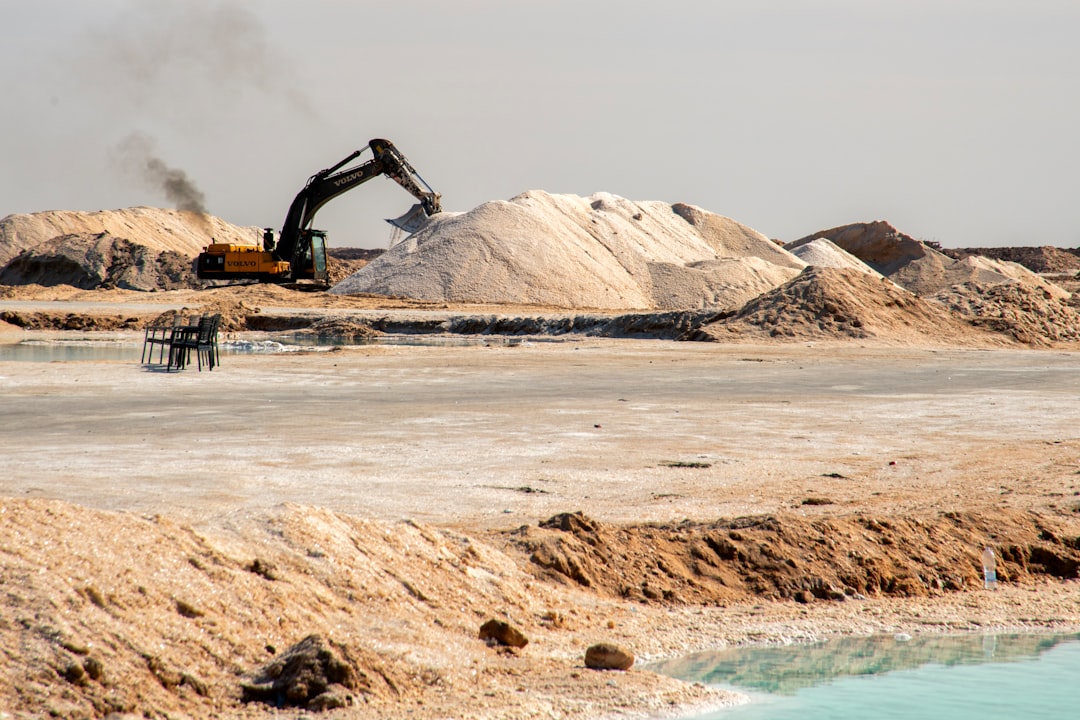
Lithium occurs naturally in two distinct geological settings. Hard rock deposits contain lithium-bearing minerals, primarily spodumene, found in granite formations. These deposits are mined like traditional ore bodies—through open-pit or underground excavation. Brine deposits, by contrast, are concentrated solutions of lithium salts trapped in underground reservoirs, often located beneath salt flats in arid regions.
The choice between these methods reflects both geology and economics. Hard rock mining requires more intensive processing but can operate in diverse climates. Brine extraction is less energy-intensive but depends on specific geographic conditions—particularly arid climates where evaporation rates are high and water loss is manageable. Different regions have developed expertise in different methods based on their natural resources.
The processing stage is equally important as extraction. Raw lithium material contains impurities and must be refined to battery-grade purity, typically 99.5% or higher. This refinement process determines the quality and performance of the final product used in batteries.
How It Works
Hard Rock Mining
1. Extraction: Miners use conventional open-pit or underground mining techniques to remove lithium-bearing ore from the earth. The ore is then transported to processing facilities where it is crushed into smaller pieces to increase surface area for chemical treatment.
2. Concentration: The crushed ore is treated with sulfuric acid or other solvents in large tanks. This chemical leaching dissolves the lithium from the mineral matrix. The resulting solution contains lithium along with other dissolved minerals.
3. Purification: The lithium-rich solution undergoes multiple purification stages. Impurities are removed through precipitation, filtration, and ion exchange processes. Each stage isolates lithium further from unwanted elements.
4. Conversion: The purified lithium solution is converted into the desired end product—typically lithium carbonate or lithium hydroxide—through crystallization and drying processes.
Brine Extraction
1. Pumping: Lithium-rich brine is pumped from underground reservoirs to the surface. The brine is a naturally concentrated salt solution containing lithium along with sodium, potassium, magnesium, and other minerals.
2. Evaporation: The brine is channeled into large shallow ponds where it sits for months. Solar evaporation concentrates the lithium as water evaporates, leaving behind mineral salts. This process takes advantage of arid climates where evaporation rates are high.
3. Precipitation and Separation: As the brine concentrates, different minerals precipitate out at different stages. Operators manage the evaporation process to selectively remove unwanted minerals while keeping lithium in solution.
4. Final Processing: The concentrated lithium solution undergoes chemical treatment similar to hard rock processing—precipitation, filtration, and crystallization—to produce battery-grade lithium carbonate or lithium hydroxide.
Why It Matters
Lithium processing directly affects the performance and cost of batteries used in electric vehicles and grid energy storage. The purity of the final product determines battery efficiency, lifespan, and safety. Impurities can reduce battery performance or create safety hazards, making the refining process critical to the entire energy storage supply chain.
The extraction and processing methods also have significant environmental implications. Both approaches require substantial water resources—hard rock mining for processing chemicals and cooling, brine extraction for the evaporation process itself. In water-scarce regions, lithium production can create competition for limited freshwater supplies. Understanding these trade-offs is essential as global demand for lithium-ion batteries continues to grow alongside the energy transition.
Related Terms
- Spodumene: A lithium-aluminum silicate mineral that is the primary source of lithium in hard rock mining operations
- Brine: A concentrated salt solution containing dissolved lithium and other minerals, found in underground reservoirs
- Battery-grade lithium: Refined lithium compounds meeting strict purity standards required for battery manufacturing
- Lithium carbonate: A processed lithium compound commonly used in battery production
- Lithium hydroxide: An alternative processed form of lithium used in certain battery chemistries
Frequently Asked Questions
Why are there two different mining methods?
Lithium occurs naturally in two different geological forms. Hard rock deposits are found in granite formations worldwide, while brine deposits are concentrated in specific arid regions with the right geological conditions. Mining companies use whichever method matches the lithium deposits available in their region. Each method has different cost and environmental trade-offs.
What makes lithium processing so complex?
Raw lithium material contains many other minerals and salts. Battery manufacturers require extremely pure lithium—typically 99.5% or higher—because impurities degrade battery performance and can create safety issues. Removing these impurities requires multiple chemical and physical separation stages, making processing a technically demanding and time-consuming step.
How much water does lithium extraction use?
Both extraction methods are water-intensive. Hard rock mining uses water in chemical processing and cooling. Brine extraction relies on evaporation, which consumes large quantities of water in arid regions. The water intensity varies significantly depending on the specific deposit, processing method, and local climate conditions.
Can lithium be recycled from used batteries?
Yes, lithium can be recovered from spent batteries through recycling processes. However, recycling currently provides only a small portion of total lithium supply. As battery recycling technology improves and battery volumes increase, recycling is expected to become a more significant source of lithium, potentially reducing pressure on primary mining operations.
Last updated: April 2, 2026. For the latest energy news and analysis, visit energystandard.io.