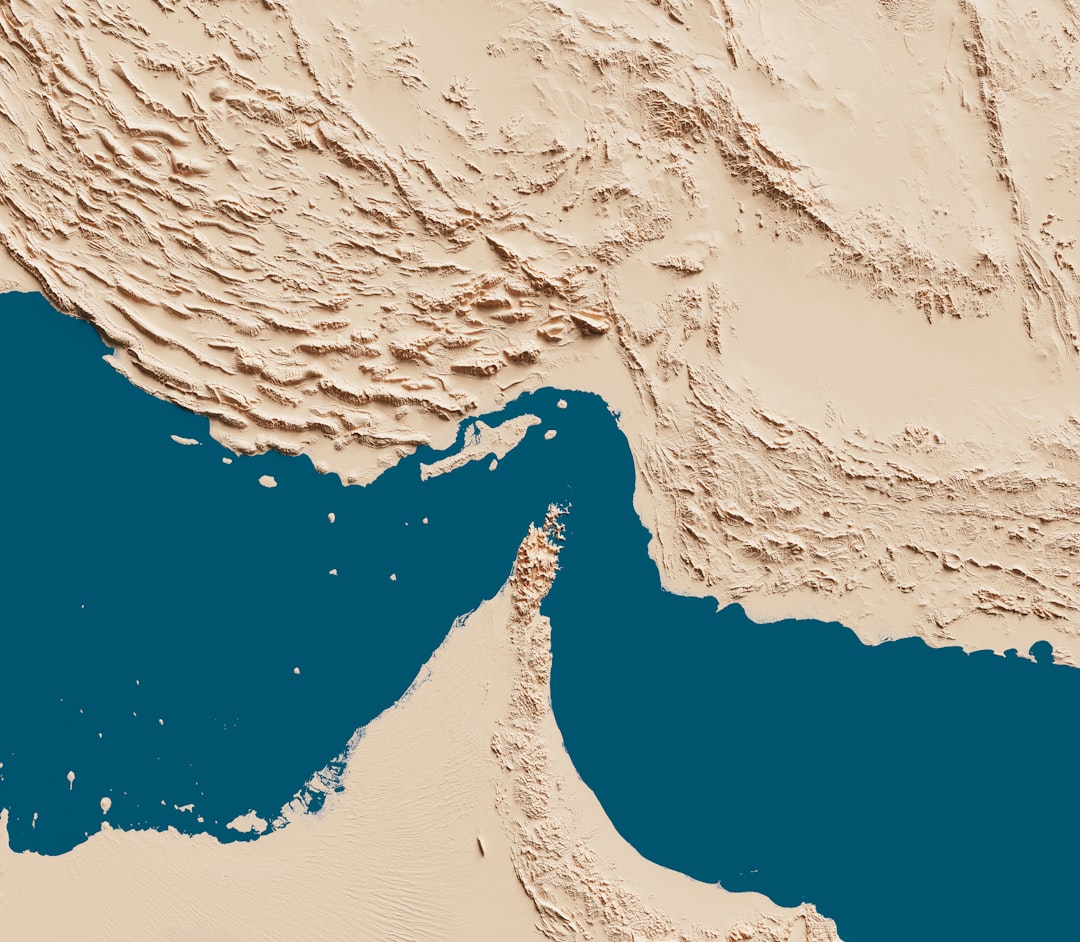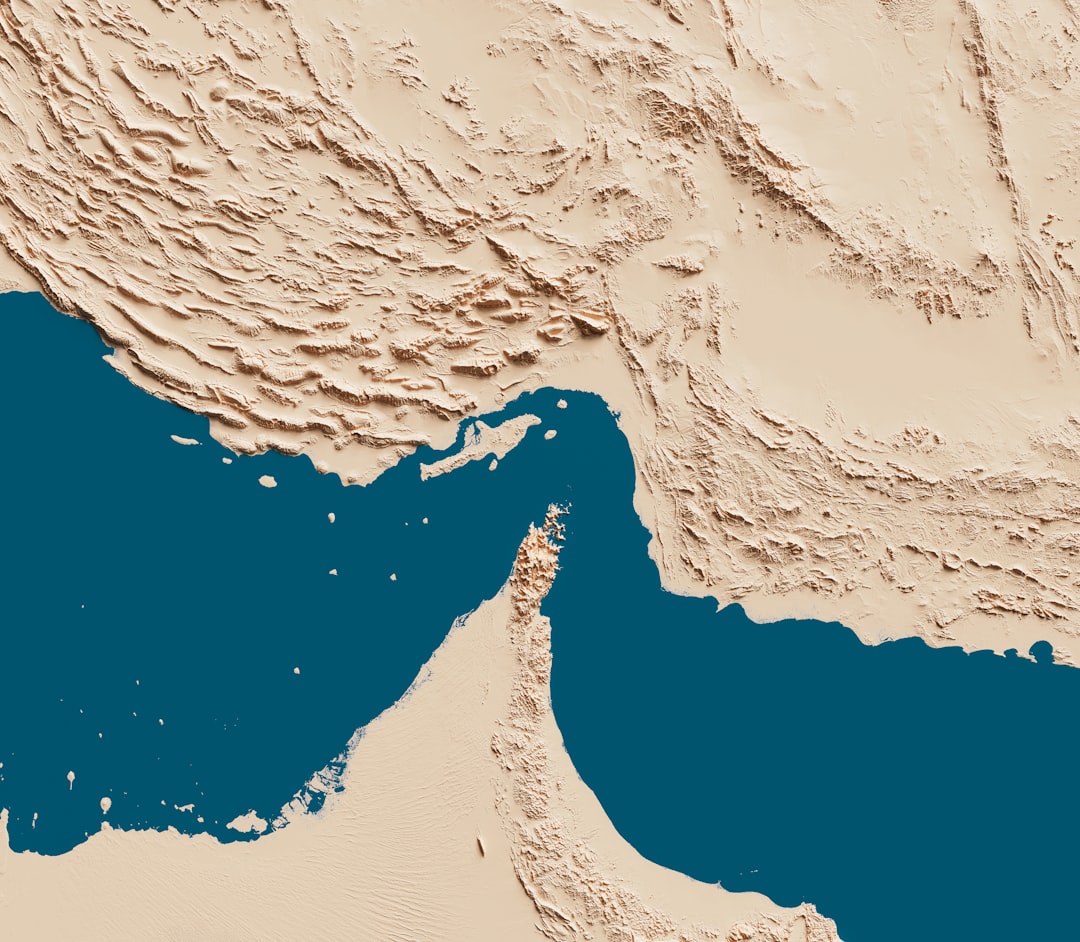
The energy world held its breath this week as Iranian missiles struck one of the world's most critical energy chokepoints. According to Financial Times reporting, Iran inflicted "extensive damage" on the site of the world's largest LNG facility in Qatar, a facility that supplies roughly a fifth of the world's liquefied natural gas. The retaliation came after Israel struck Iran's South Pars gasfield, escalating a conflict that's now threatening to reshape global energy markets.
The immediate market reaction was severe. Financial Times reported that stocks and bonds tumbled as investors priced in what they're calling a "protracted energy shock," with Iranian strikes on the Qatari natural gas complex sending US and European markets reeling. Traders and analysts warned of what one source called an "Armageddon scenario" for gas markets, given the facility's outsized importance to global LNG supplies.
But the picture shifted dramatically by Friday. According to OilPrice.com, oil prices pulled back sharply on March 20, reversing part of the previous session's surge, after Israeli Prime Minister Benjamin Netanyahu suggested the Iran war could end sooner than expected. West Texas Intermediate crude fell 3.12% to $92.57, while Brent crude dropped 3.19% to $105.18. The volatility underscores how tightly wound energy markets have become—and how quickly sentiment can swing based on geopolitical signals.
The Real Vulnerability: Energy Chokepoints Beyond Oil
What's particularly striking about this crisis is that it's exposed vulnerabilities far beyond crude oil. The shutdown of the Strait of Hormuz following the Iran war has disrupted far more than petroleum flows. According to OilPrice.com, the waterway carries crucial downstream fuel flows that sustain entire national energy systems, and nowhere is that dependence clearer than in India.
Middle Eastern suppliers account for roughly 90% of India's LPG imports, according to OilPrice.com reporting on how the Hormuz shutdown has thrown India's liquefied petroleum gas market into chaos. This concentration of supply from a single geopolitical region has created a fragility that no amount of domestic energy production can fully insulate against. As OilPrice.com noted, the shock halt to oil and LNG supply at the Strait of Hormuz is reverberating to all major energy-consuming regions and exposes the energy security issues of Asia, Europe, and the United States.