Oil prices have climbed to levels that should make drillers ecstatic. According to OilPrice.com, Brent crude is trading over $100 per barrel while WTI has topped $90—prices well above what shale drillers need to be profitable. Yet the world's largest oil producer is doing something counterintuitive: hitting the brakes on future plans.
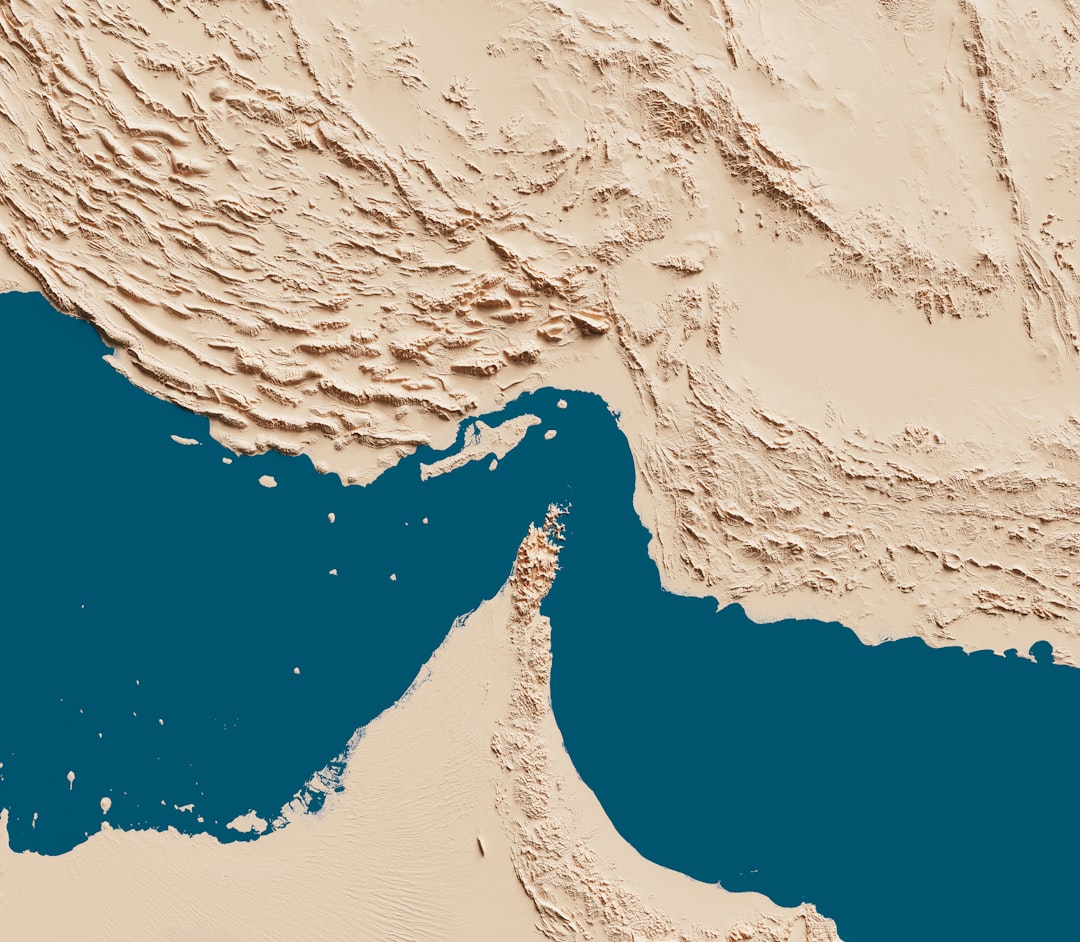
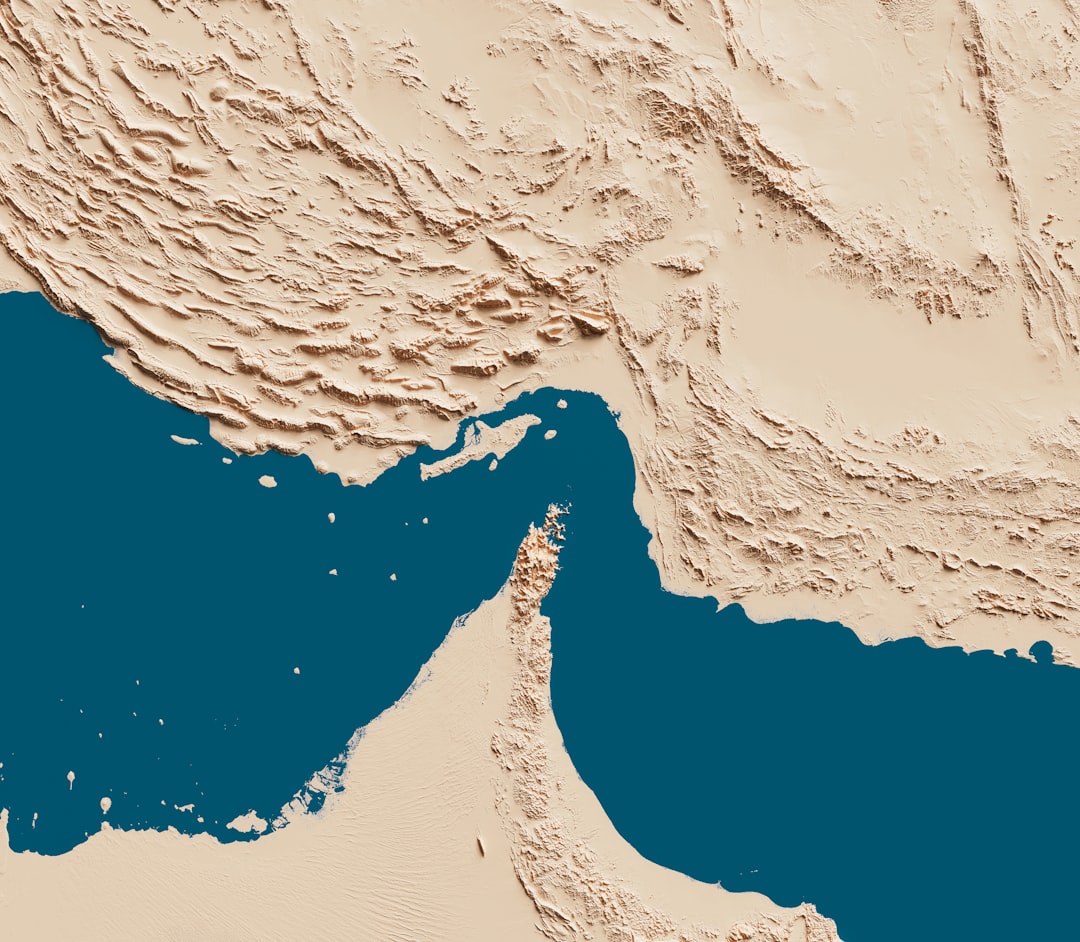
The disconnect reveals a fundamental shift in how energy companies calculate risk. OilPrice.com reported that oil drillers are "rather unhappy with the war in the Middle East, because it has made it harder to plan investments." Even with crude at profitable levels, the geopolitical uncertainty is forcing operators to reconsider their expansion strategies. The Dallas Fed Energy Survey, cited by OilPrice.com, tracks the range of WTI price levels needed for profitable drilling, but those benchmarks alone aren't enough to justify new capital commitments in an unstable environment.
This cautious stance reflects a broader market reality: high prices don't guarantee investor confidence when the underlying conditions that created those prices remain volatile and unpredictable.
Europe's Energy Crisis Exposes Renewable Winners and Losers
Europe is grappling with its second major energy crisis in four years. According to OilPrice.com, the continent has "sleepwalked into yet another energy crisis" as energy prices spike across the region due to instability in global politics and energy trade. While this sounds like a repeat of the 2022 shock following Russia's invasion of Ukraine, the story is more nuanced.
Four years of effort have paid dividends. OilPrice.com noted that Europe has "made significant progress weaning itself off of Russian oil and gas imports and building up its own energy supply chains." However, the European Union still relies on imports for more than half of its energy needs, leaving it vulnerable to supply shocks.
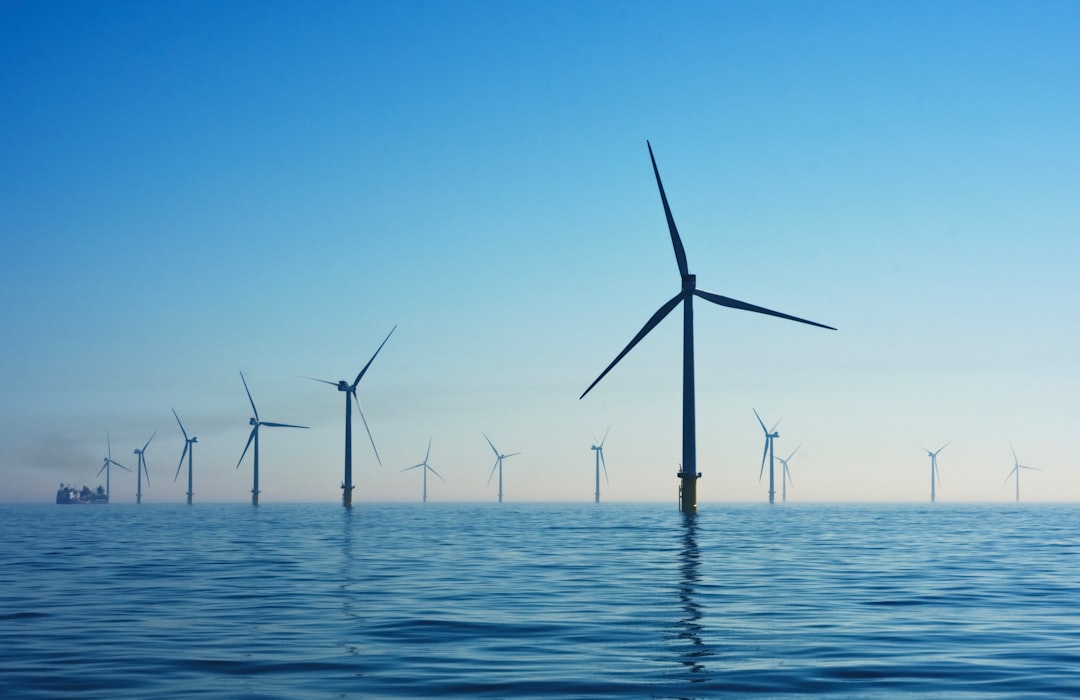
Spain is emerging as a relative bright spot in this crisis. OilPrice.com highlighted Spain as weathering Europe's energy crunch better than most—a distinction driven by its renewable energy investments and diversified supply approach. The contrast between Spain's resilience and broader European vulnerability underscores a critical lesson: countries that have accelerated renewable deployment are better positioned to absorb energy price shocks.