Oil markets are caught in a delicate balancing act this week, with prices holding relatively steady as traders grapple with two competing supply narratives that could reshape the global crude landscape in 2026.
According to Reuters, oil prices remained steady as investors weighed Venezuela's potential export resumption against the risk of supply disruptions from Iran. The tension between these two forces is creating uncertainty in the market, with neither factor gaining clear dominance. Meanwhile, Reuters also reported that oil climbed as intensifying unrest in Iran sparked fresh supply concerns, highlighting how quickly sentiment can shift when geopolitical risks emerge.
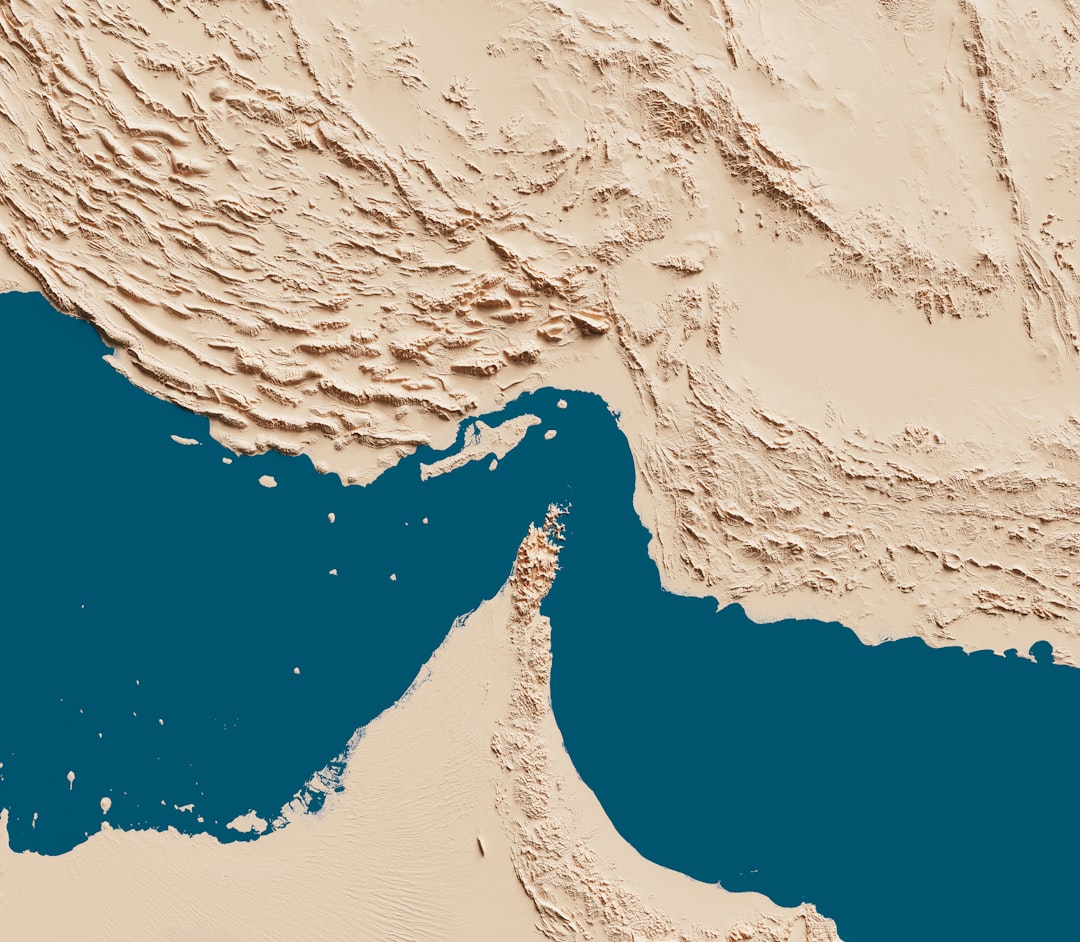
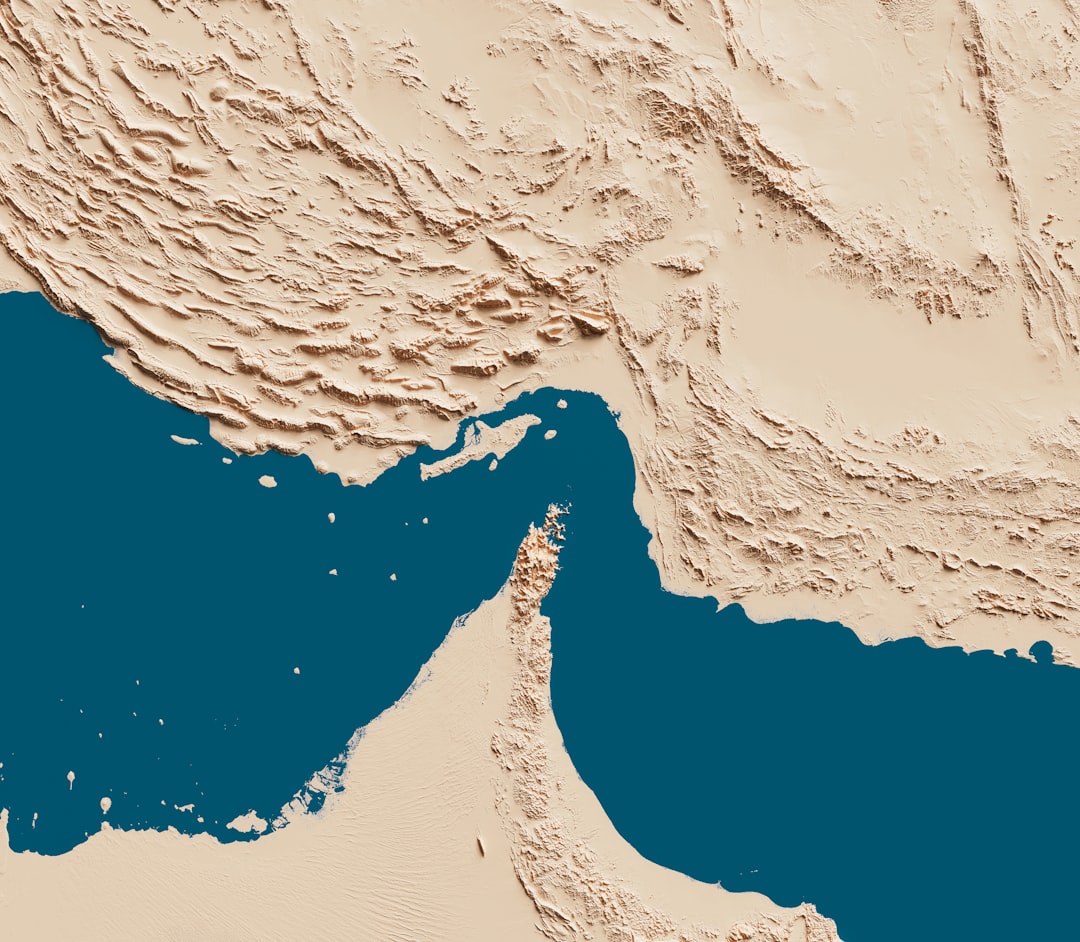
The Iran situation deserves particular attention. According to OilPrice.com, Iran has produced record levels of oil in recent months despite facing U.S. sanctions on its energy exports and Israeli bombings on Tehran. The country has forged strong partnerships with China and other world powers to circumvent sanctions and continue exporting its crude—a trend expected to continue into 2026. However, OilPrice.com warned that the recent U.S. military intervention in Venezuela could undermine Iran's growth by making trade partners more wary of purchasing Iranian crude, fearing similar geopolitical consequences.
Investment Pullback Signals Caution Across the Industry
Beyond the headline price movements, a more sobering trend is unfolding beneath the surface. According to OilPrice.com, global upstream oil investment was projected to have declined 2.5% year-over-year to $420 billion in 2025, and the outlook for 2026 appears similarly constrained. OilPrice.com reported that global upstream capex is set to fall again in 2026 amid low oil prices, as companies across the industry continue to prioritize profitability, free cash flow, and debt reduction over aggressive production growth.
This cautious stance reflects broader macro uncertainty. OilPrice.com noted that the decline in investment was also driven by reduced spending by U.S. independent light tight oil and shale producers, even as national oil companies in the Middle East maintain their positions. The message is clear: producers are not betting on a dramatic price recovery anytime soon.