Oil & Gas · Analysis
Oil Markets Reprice Risk as Iran Standoff Pushes Crude Above $100
Crude oil surged past $100 per barrel this week as the U.S.-Iran standoff over the Strait of Hormuz intensifies, while natural gas markets face opposite pressures from Permian Basin oversupply and a major Canadian pipeline expansion wins approval.
Stake & Paper Editorial TeamApril 24, 2026
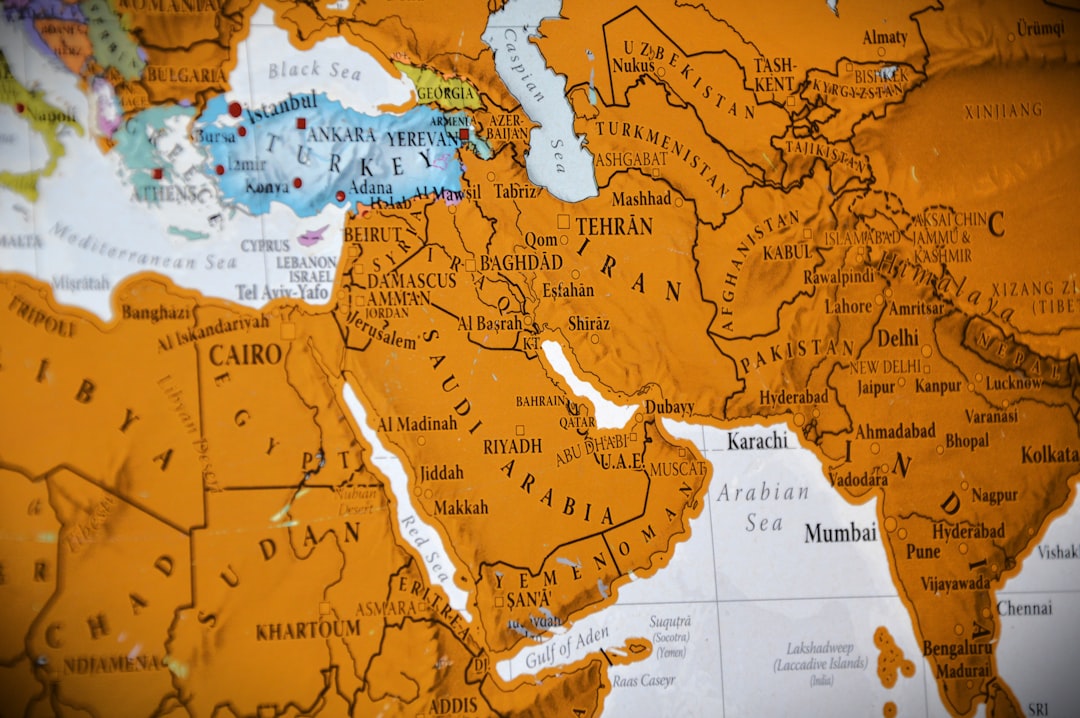
Brent crude topped $106 per barrel early Friday morning as Washington and Tehran stepped up their confrontation over the key maritime route for transporting the world's energy
, according to Al Jazeera. The spike came after
President Donald Trump said in a Truth Social post on Thursday that he had ordered the US Navy to destroy any Iranian boats laying mines in the strait
, marking another escalation in a conflict that has already triggered what analysts call the largest oil supply disruption in modern history.
By Thursday night, Weekly June WTI crude was trading at $96.91, up $14.32 (+17.34%), a move that reflects more than momentum and signals a structural shift in how the market is pricing near-term supply risk
, OilPrice.com reported. According to market data, WTI crude stood at $71.50 per barrel on Friday, while Brent traded at $75.20 per barrel—though intraday volatility has pushed prices significantly higher.
The ongoing disruption is contributing to severe supply concerns, with estimates of demand destruction nearing 4 to 5 million barrels per day, or about 5 percent of global supply, with Asia most affected
, according to Trading Economics.
Trump Faces Political Headwinds as Gas Prices Surge
The oil price spike is creating political problems for President Trump heading into midterm elections.
Some 77% of registered voters in a Reuters/Ipsos poll said Trump bears at least a fair amount of responsibility for the recent rise in gas prices, which was sparked by his decision to launch a war on Iran along with U.S. ally Israel
.
The view was widely shared across the political spectrum, with 55% of Republican voters, 82% of independents and 95% of Democrats pinning blame on the president for the higher costs
, Reuters reported.
Gas prices have surged more than 30% to top $4 per gallon since the war began
, according to AAA data cited by CNBC.
President Donald Trump on Thursday said Americans should anticipate paying higher gas prices "for a little while" as a result of the Iran war, without specifying a timeline
, CNBC reported.
MarketWatch noted that JPMorgan analysts are warning that current oil prices don't reflect the full reality of supply constraints. The bank has cautioned that
Brent crude could "overshoot toward $150 per barrel" if the Iran war keeps the Strait of Hormuz effectively shut into mid-May
, according to Reuters reporting cited by TheStreet.
P&G Warns of $1 Billion Hit from Oil Price Surge
The oil price shock is rippling through corporate America.
Procter & Gamble on Friday warned of a $150 million hit to its annual profit from higher input cost due to the Middle East conflict, with the Tide parent expecting fiscal 2026 earnings per share to be at the lower end of its target range due to commodity-linked cost inflation, feedstock exposure and logistics disruption
, Reuters reported.
The higher costs account for the surge in oil prices from $60 a barrel before the conflict to around $100 today and its impact on plastics and paper for packaging, as well as transportation charges
, a company spokesperson told Reuters.
The impact would be more substantial beginning the first quarter of fiscal 2027 if the conflict stretches out
, the spokesperson added.
Permian Gas Faces Opposite Problem: Too Much Supply
While oil markets grapple with supply disruptions, natural gas producers in the Permian Basin are dealing with the opposite challenge—too much supply and not enough pipeline capacity to move it.
Waha cash prices settled below -$9.50/MMBtu on April 16 – the lowest on record
, according to AEGIS Hedging.
Natural Gas Intel reported that
average prices at the Waha Hub in West Texas remained in negative territory for a record 44 days in a row as pipeline constraints continued to trap gas in the Permian region, the nation's biggest oil-producing shale basin
.
Waha prices have averaged a negative $1.37 per MMBtu so far in 2026, compared with a positive $1.15 in 2025
, the publication noted.
Kinder Morgan executives warned during recent earnings calls that the situation could persist for months. Natural Gas Intel reported that
the region faces an extended window without meaningful new pipeline egress capacity (approximately 4.5 Bcf/d) until the second half of 2026
.
According to market data, Henry Hub natural gas traded at $3.25 per MMBtu on Friday, down 2.4%, reflecting broader weakness in the gas market despite strong production levels.
Canada Approves $4 Billion Pipeline Expansion
In more positive infrastructure news,
Federal Natural Resources Minister Tim Hodgson says the government has approved Enbridge Inc.'s $4-billion Sunrise project in B.C.
, CTV News reported Thursday.
The Sunrise Expansion will add about 300 million cubic feet per day of natural gas transportation capacity and is scheduled to start construction in July 2026
, according to Stock Titan.
Enbridge says the Project will create ~2,500 construction jobs, contribute more than $3 billion to Canada's economy, and to date has spent >$52 million with Indigenous businesses
, the company announced.
Construction is scheduled to begin in July 2026, with a targeted in-service date in late 2028
.
The approval comes as Canada seeks to expand its LNG export capacity and reduce reliance on U.S. markets for natural gas sales.
The expansion is strategically positioned to supply the Woodfibre LNG export facility, which is slated to begin operations in 2027
, according to Pipeline Technology Journal.
What's Next for Energy Markets
The energy sector remains caught between competing forces. Oil markets are pricing in extended geopolitical risk premiums, with traders watching closely for any signs of diplomatic breakthrough between Washington and Tehran. Meanwhile, natural gas producers in the Permian are counting down to late 2026, when new pipeline capacity is expected to finally relieve the bottleneck that has sent regional prices into negative territory for record stretches.
For consumers, the immediate outlook appears challenging.
A majority of survey respondents said they expect the higher prices to last at least six months
, according to a CNBC poll. And with midterm elections approaching in November, energy prices have become a central political issue that could reshape the congressional landscape.