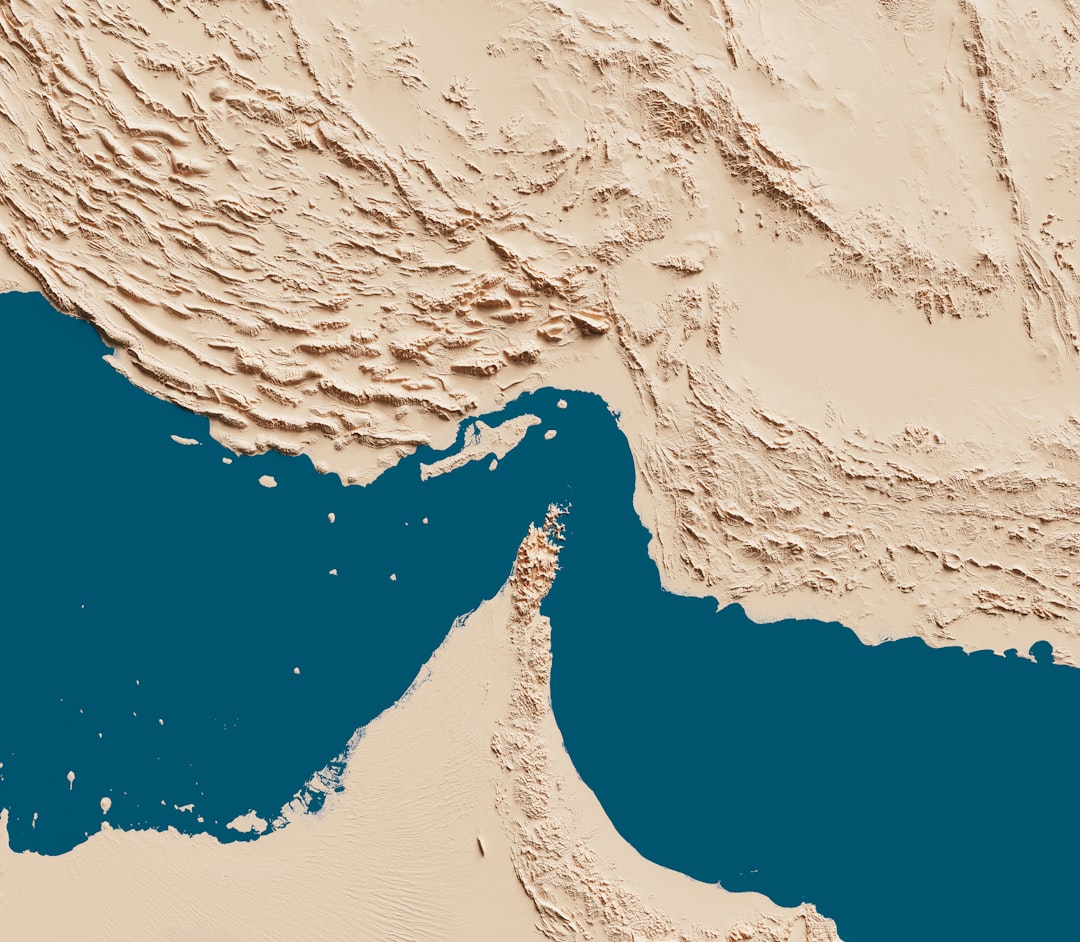
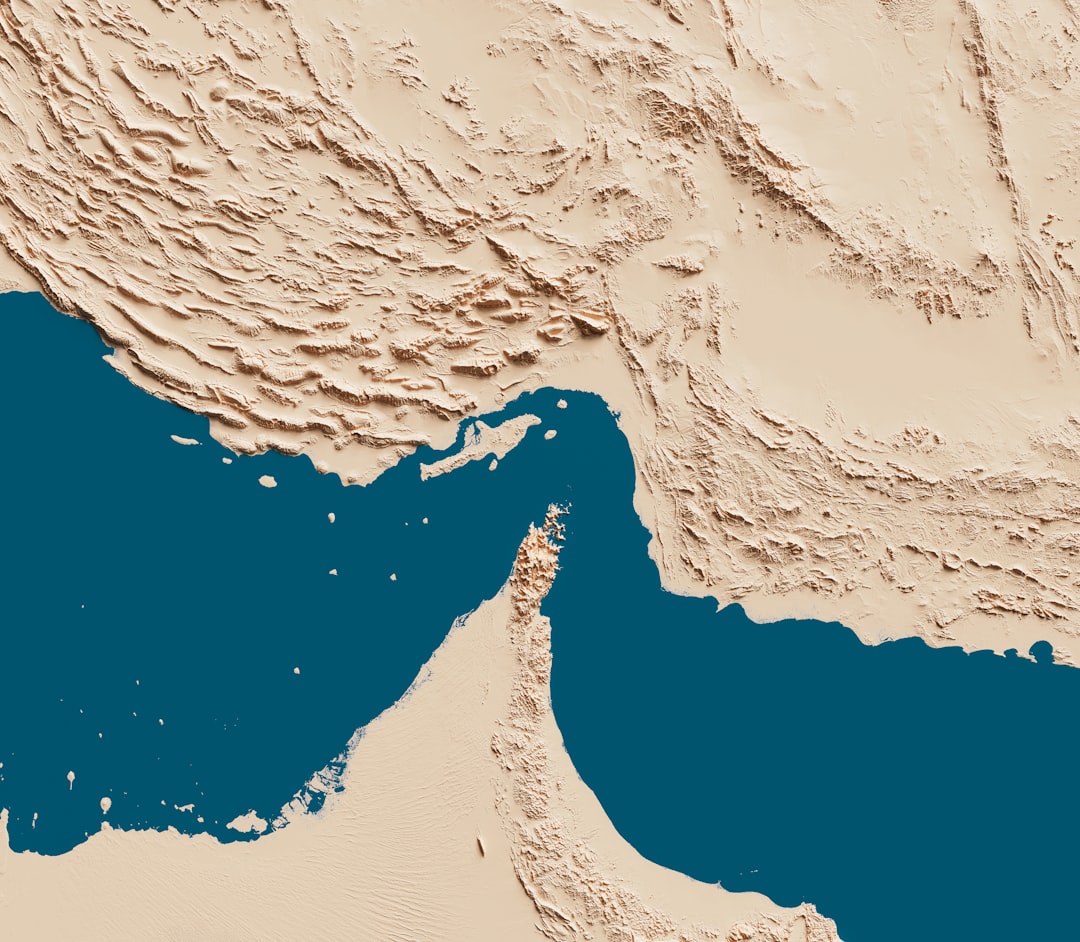
Oil markets experienced a dramatic reversal this week as President Trump's rhetoric on geopolitical tensions sent crude prices on a roller coaster ride. According to Reuters, oil prices rebounded after Trump commented on an "armada" moving toward Iran, sparking fresh supply concerns. However, the gains proved short-lived. Reuters reported that oil subsequently slid 2% as Trump toned down threats toward Greenland and Iran, signaling a shift in his confrontational posture toward both regions.
The volatility underscores how sensitive energy markets remain to geopolitical commentary, particularly when it touches on major oil-producing regions. Trump's initial hardline stance had traders bracing for potential supply disruptions, but his later moderation—including a statement that he would rule out military force to acquire Greenland—eased those concerns and sent prices lower.
Venezuela's Oil Sector Poised for Transformation
While global oil markets digested Trump's mixed signals, Venezuela is pursuing a more fundamental shift in its energy sector. According to Financial Times reporting, Venezuela's lawmakers have backed oil sector reforms that could reach final approval next week. The legislation would allow both foreign and local private companies to commercialize oilfields—a significant opening for a country whose oil industry has been tightly controlled by the state.
Reuters reported that the proposed oil reform would give autonomy to companies to operate and retain cash proceeds, representing a potential watershed moment for Venezuelan oil development. The timing is notable given the country's long struggle to maintain production levels amid sanctions and economic crisis.
The reforms appear to be gaining traction in the market. According to Reuters, Trafigura has already made its first Venezuelan crude sale under a supply deal, suggesting that traders and companies are positioning themselves ahead of potential legislative changes. However, it's worth noting that Venezuela's vast oil reserves come with significant caveats. According to OilPrice.com, only a fraction of Venezuela's oil is economically recoverable, despite the country reporting more than 300 billion barrels of proven reserves—the largest on Earth. The article explained that Venezuela's rise to the top of global reserve rankings was largely driven by reclassification rather than new discoveries.