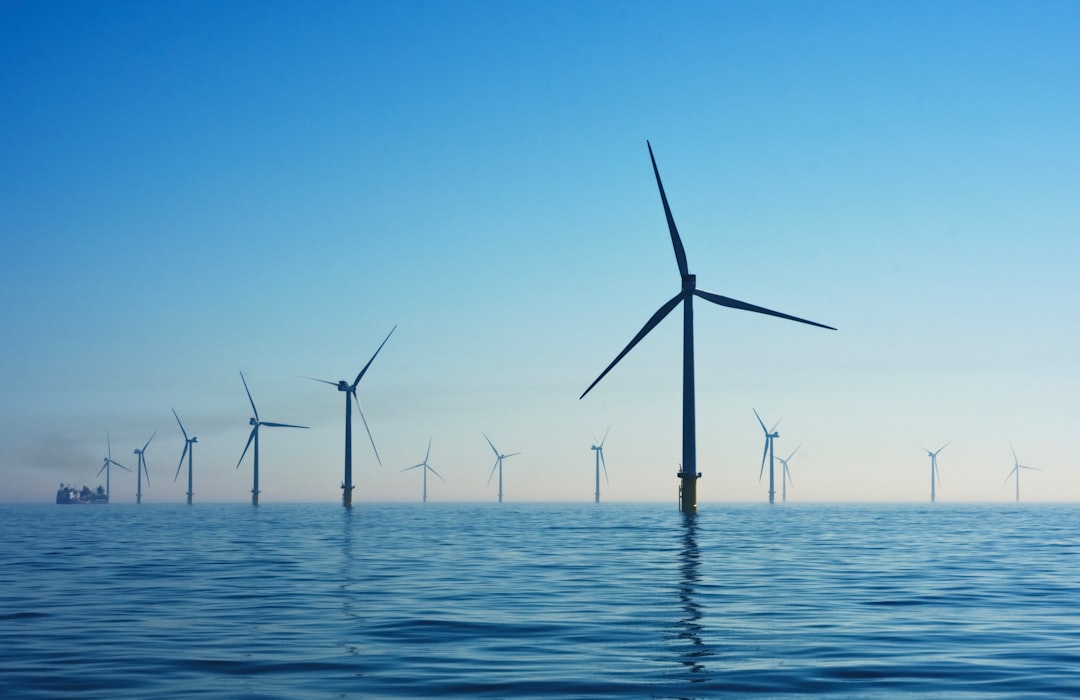
The age of baseload power—the idea that power plants run constantly to meet steady demand—is officially over. And two of the world's largest energy producers just proved it.
According to OilPrice.com, both China and France announced in February 2026 that they would retrofit formerly baseload coal-fired and nuclear power plants to run more intermittently. The reason is straightforward: renewables are getting cheaper and more abundant, forcing the entire electricity system to adapt. "To accommodate the growing penetration of lower-cost renewables in their respective electricity systems," OilPrice.com reported, these nations are making expensive operational changes that would have been unthinkable just years ago.
This isn't a minor technical adjustment. It's a wholesale reimagining of how modern grids function. When wind and solar can generate power at lower costs than traditional plants, the economics flip entirely. Baseload plants can no longer run 24/7 as they once did. Instead, they're being asked to turn on and off based on when the sun isn't shining and the wind isn't blowing—a role traditionally filled by natural gas plants designed for exactly this kind of flexibility.
The French utility EDF is undertaking this transformation "at considerable expense," according to OilPrice.com, retrofitting much of its nuclear fleet to operate intermittently rather than continuously. For a company that built its entire business model around constant nuclear generation, this represents a seismic shift in strategy.
Rare Earths and Supply Chain Security
While the grid itself is being transformed, the geopolitics of clean energy are also shifting. According to OilPrice.com, the United States is moving to break China's grip on rare earth pricing. Washington is "developing and pitching to allies a price floor mechanism to protect the rare earths markets and mineral supply from Chinese manipulation," OilPrice.com reported on February 23.
Rare earth elements are critical for renewable energy technology, defense systems, and automotive manufacturing. By establishing a price floor mechanism with allied nations, the U.S. is attempting to insulate the clean energy supply chain from what OilPrice.com describes as "government policies aimed solely at strengthening China's dominant grip on the global market."
This move reflects a broader recognition that the transition to renewables isn't just about technology—it's about securing the minerals and materials that make that technology possible.