Oil & Gas · Analysis
What is hydraulic fracturing (fracking)?
Hydraulic fracturing is a well stimulation technique that uses pressurized fluid to create fractures in rock formations, allowing oil and natural gas to flow more freely to the surface.
Energy Standard Editorial TeamDecember 24, 2025
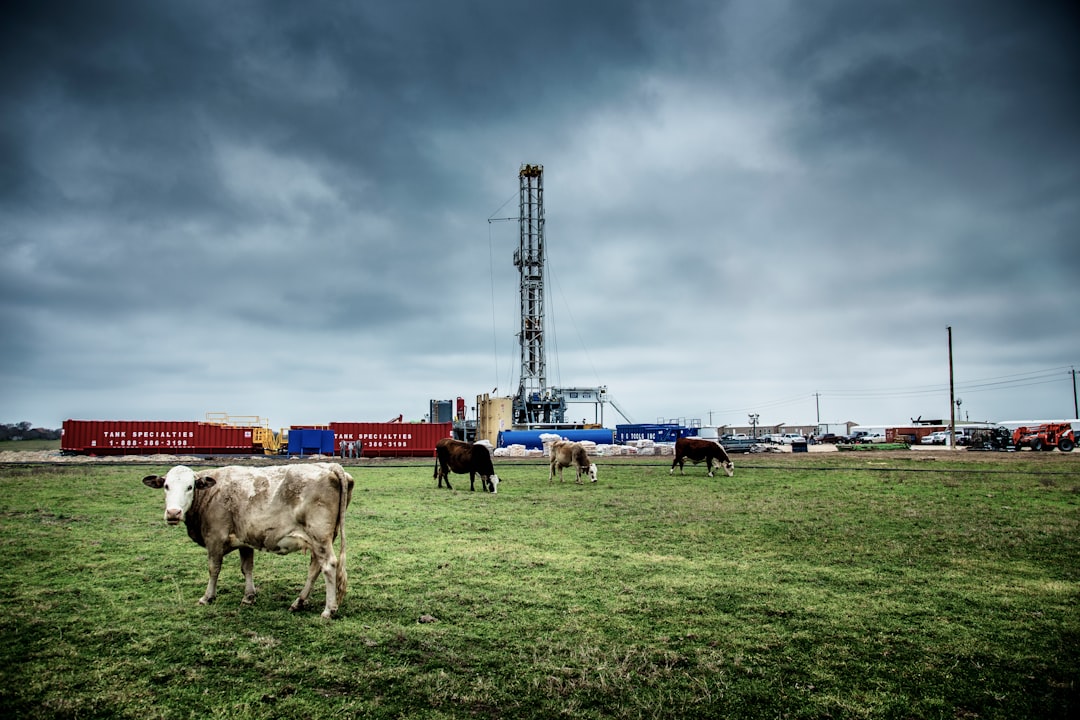
Hydraulic fracturing, commonly called fracking, is a process that injects pressurized fluid deep underground to crack rock formations and release trapped oil and natural gas. By creating pathways through dense rock, fracking allows hydrocarbons that would otherwise remain inaccessible to flow toward production wells. The technique has become central to modern energy production, particularly for extracting resources from unconventional sources like shale formations.
Key Points
- Fracking uses high-pressure fluid injection to artificially fracture rock and improve hydrocarbon flow
- The process is applied to both conventional wells (as a stimulation technique) and unconventional formations (as a primary extraction method)
- Water, sand, and chemical additives are the primary components of fracturing fluid
- The technique has enabled access to previously uneconomical oil and gas reserves
- Environmental considerations, including water usage and potential groundwater impacts, remain important regulatory and operational concerns
Understanding Hydraulic Fracturing
Hydraulic fracturing emerged as a commercial technique in the mid-20th century but gained widespread adoption in the 2000s when combined with horizontal drilling technology. This combination made it economically viable to extract oil and gas from tight rock formations—particularly shale—that had been considered unproductive for decades.
The fundamental principle is straightforward: rock has natural stress limits. When pressure exceeds the rock's tensile strength, it fractures. In fracking operations, engineers deliberately exceed these limits by pumping fluid at high pressure into a wellbore. The pressurized fluid forces its way into the rock, creating new fractures and extending existing ones. Once the pressure is released, these fractures remain open (or partially open) because of proppants—typically sand grains—that lodge in the cracks and prevent them from closing completely.
The technique works because most oil and gas reservoirs have very low natural permeability. Without fracking, hydrocarbons move through rock so slowly that production becomes economically unviable. By creating an extensive network of fractures, operators dramatically increase the surface area through which oil and gas can flow toward the wellbore, making production practical.
How It Works
Well Preparation: A wellbore is drilled to the target depth, typically thousands of feet underground. In modern operations, the well often extends horizontally through the productive formation rather than vertically, allowing a single well to access a much larger area of rock.
Fluid Injection: Fracturing fluid—a mixture of water, sand, and chemical additives—is pumped into the wellbore at very high pressure. The pressure forces the fluid into the rock, creating fractures that radiate outward from the wellbore.
Fracture Propagation: As pressure increases, existing weaknesses in the rock expand into larger fractures. The fluid continues to penetrate deeper into the formation, extending the fracture network. Operators carefully monitor pressure and flow rates to control the direction and extent of fracturing.
Proppant Placement: Sand particles suspended in the fracturing fluid are carried into the newly created fractures. When pressure is released and the fractures attempt to close, the sand grains remain lodged in the cracks, holding them open and maintaining permeability.
Flowback and Production: After fracturing is complete, pressure is released and the well is allowed to flow back. Initially, much of the injected fluid returns to the surface. Over time, oil and gas flow from the formation through the fractured rock and into the wellbore for collection.
Why It Matters
Hydraulic fracturing fundamentally changed the economics of oil and gas production. It transformed formations once considered marginal or unproductive into major sources of energy supply. This shift has had significant implications for energy independence, market dynamics, and investment in hydrocarbon development.
The technique's importance extends beyond simple resource access. By enabling production from unconventional sources, fracking has influenced global energy markets, geopolitical relationships, and long-term energy planning. It has also driven technological innovation in drilling, monitoring, and completion techniques that continue to improve operational efficiency and reduce costs.
However, fracking's widespread adoption has also intensified scrutiny regarding environmental impacts. Water consumption, potential groundwater contamination, induced seismicity, and surface disturbance are legitimate concerns that regulators and operators must address. These considerations have shaped how fracking is practiced, where it's permitted, and what operational standards apply.
Related Terms
- Unconventional Resources: Oil and gas deposits in low-permeability rock formations (shale, tight sandstone, coal seams) that require stimulation techniques like fracking to produce economically
- Horizontal Drilling: A well completion technique that extends the wellbore laterally through the productive formation, allowing a single well to access a much larger area than vertical drilling
- Proppant: Material (typically sand) suspended in fracturing fluid that lodges in fractures to keep them open and maintain permeability after pressure is released
- Permeability: The ability of rock to allow fluids to flow through it; low-permeability formations require fracking to achieve commercial production rates
Frequently Asked Questions
How deep does fracking occur?
Fracking typically occurs at depths of 5,000 to 15,000 feet or deeper, depending on the target formation. The depth varies significantly based on geology and the specific resources being developed. Deeper operations require higher pressures and more specialized equipment.
What is fracturing fluid made of?
Fracturing fluid is primarily water (typically 85-90% of the mixture) combined with sand and chemical additives. The additives serve specific functions: some reduce friction to allow fluid to flow more easily, others prevent bacterial growth, and others help suspend the sand particles. The exact composition varies based on formation characteristics and operator preferences.
Can fracking cause earthquakes?
Fracking itself typically produces very small seismic events that are not felt at the surface. However, the injection of large volumes of fluid can increase pressure in rock formations and potentially trigger movement along existing faults, which may be felt as minor earthquakes. This phenomenon, called induced seismicity, is monitored and managed through operational practices and regulatory oversight.
How much water does fracking use?
Water consumption varies significantly based on well depth, formation characteristics, and fracturing design. A single well fracturing operation may use anywhere from a few million to tens of millions of gallons of water. While this sounds substantial, it represents a small fraction of total water usage in most regions, though local impacts can be significant in water-scarce areas.
Last updated: December 24, 2025. For the latest energy news and analysis, visit energystandard.io.