Renewables · Analysis
Solar and Wind Smash Records as Clean Energy Dominates Global Capacity Growth
Global renewable energy capacity surged to nearly 700 GW in 2025, with solar and wind accounting for nearly all new additions. As geopolitical tensions drive energy security concerns, clean energy is emerging as the resilience strategy of choice.
Stake & Paper Editorial TeamApril 21, 2026
Global renewable power capacity reached 5,149 gigawatts after the addition of 692 GW in 2025, a 15.5% annual increase, according to the International Renewable Energy Agency. The numbers tell a story of accelerating momentum, but they also mask a more complex reality: the clean energy transition is reshaping global energy markets in ways that go far beyond simple capacity additions.
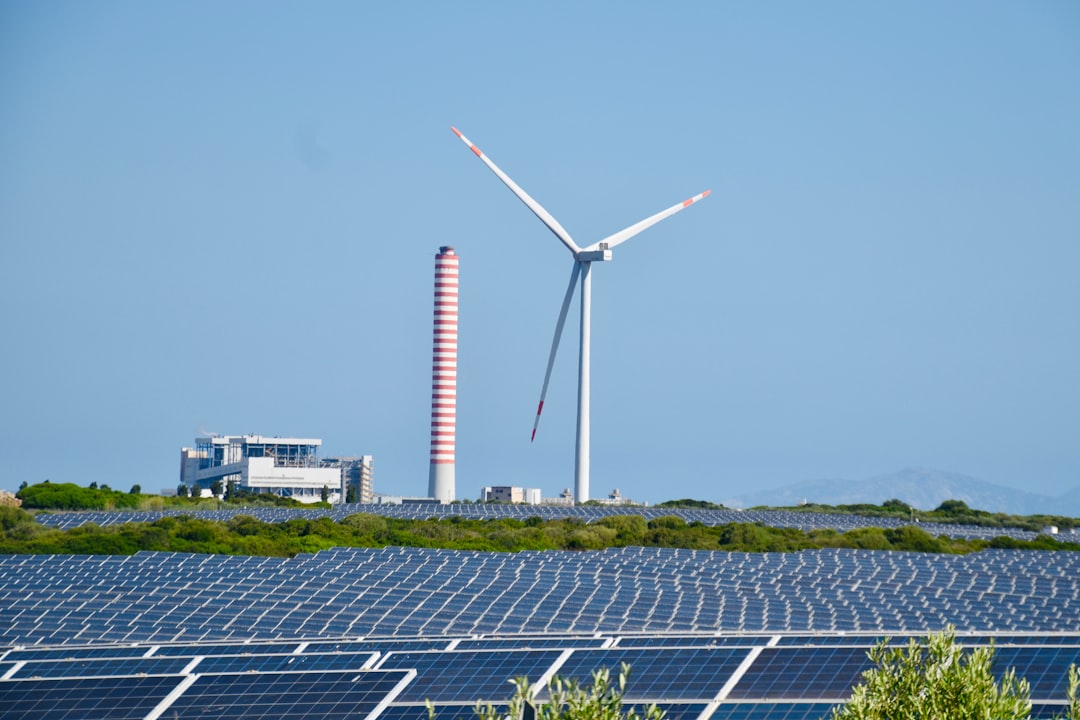
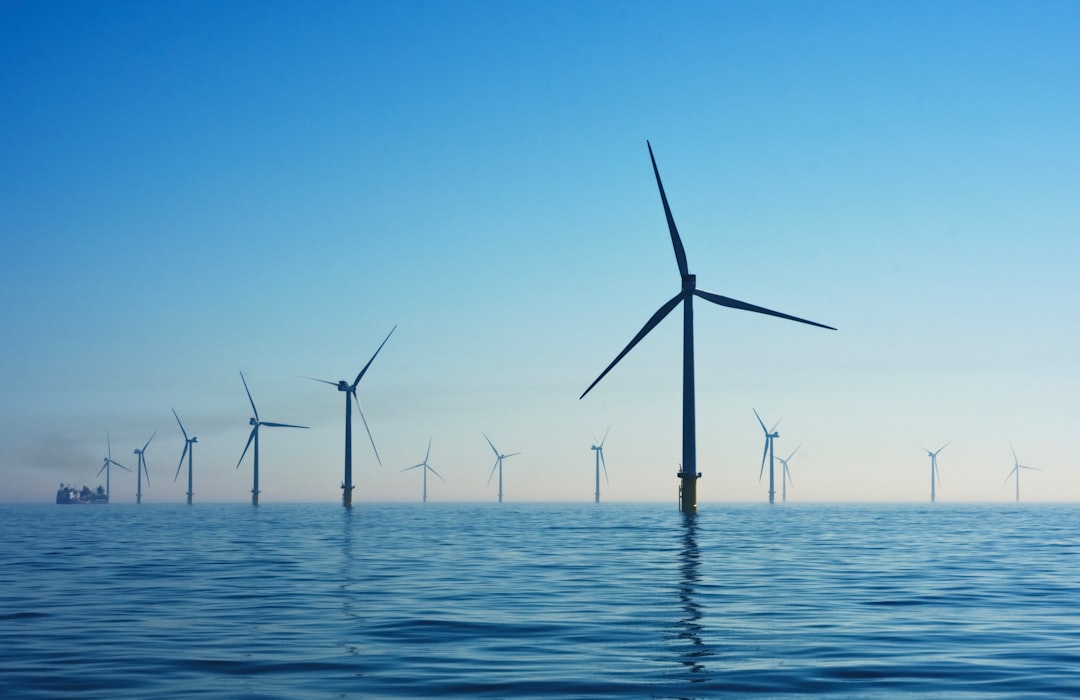
Solar energy led the increase, accounting for 511 GW or approximately 75% of total renewables capacity additions, while wind energy added 159 GW. This dominance reflects a fundamental shift in how the world is building power infrastructure. Wind and solar PV together contributed 17 percent of global generation, more than tripling their share from about 5 percent ten years earlier, according to analysis of the IEA's Global Energy Review.
The scale of deployment is staggering, but what's driving it matters just as much. Against the backdrop of geopolitical tensions in the Middle East raising fresh concerns over supply security and fossil fuel price volatility, renewable energy is gaining attention to build more resilient systems that are less vulnerable to international shocks, as renewables are homegrown, low-cost and can be deployed immediately.
China and Asia Lead, But Growth Is Uneven
China maintained its dominance in global renewable expansion, adding nearly 500 GW of renewable capacity during 2025, accounting for over 60 percent of global growth, with solar PV installations reaching about 370 GW and wind capacity surging by 48 percent to 117 GW. India emerged as the fastest-growing major renewable market, with capacity additions rising nearly 60 percent in 2025, with solar PV leading this expansion with around 50 GW of new installations.
But the picture in the United States tells a different story. The United States added 49 GW of renewable capacity, marking a 10 percent decline due to lower solar PV deployments. Despite this slowdown, a total of 86 gigawatts of new utility-scale capacity is expected to come online in 2026, a figure that would surpass the previous single-year record of 53 gigawatts added in 2025, with 93% of that capacity coming from solar, storage and wind power, according to the U.S. Energy Information Administration.
Solar energy leads the expansion by a wide margin, accounting for 51% of planned additions with Texas, Arizona, California, and Michigan leading the way.
Battery Storage Becomes the New Bottleneck
The real story of 2026 isn't just about solar and wind—it's about storage. Battery storage follows as the second-largest category at 28% of new capacity, continuing an exponential growth trend that has seen more than 40 gigawatts of storage added to the grid over the past five years alone.
Global storage installations are expected to exceed 100GW in 2026 for the first time and rise onward past 200GW over the coming decade, according to BloombergNEF. Equipment prices are now $117/kWh – less than a third of what they were three years ago.
This cost collapse is reshaping grid economics. In markets with substantial solar and wind capacity, battery operators can purchase power during low-price periods and sell during peak demand, and where grids previously turned to coal and gas during renewable energy lulls, storage technology is now becoming sufficiently affordable and responsive to alter grid operations.
The AI Data Center Wild Card
One factor reshaping energy markets is often overlooked in renewable energy discussions: artificial intelligence. The artificial intelligence energy surge is turning power into the new data-centre bottleneck, with that surge already changing corporate priorities, as access to power is the leading factor in data centre site selection ahead of traditional concerns like connectivity, meaning competition for grid connections and flexible, low-carbon power options will intensify in 2026, with locations able to offer cheap, reliable and clean electricity at scale having a structural advantage in attracting AI-driven investment.
Global energy transition investment reached record $2.3 trillion in 2025, up 8% from 2024. Yet renewable energy investment fell 9.5% year-on-year as changing power market regulations in China, the world's largest market, introduced new uncertainty.
The Geopolitical Inflection Point
The Middle East conflict has become an unexpected accelerant for clean energy. A new analysis by SolarPower Europe found that harnessing sunlight for energy has saved Europe more than €3 billion in March alone – and could go on to save the continent a staggering €67.5 billion by the end of the year, if gas prices remain high.
Spain has proven that renewables can sink electricity costs, with wholesale electricity prices in the country 32% lower than the EU average in the first half of 2025, largely because solar and wind have displaced more expensive gas and coal generation, and Spain has also become less exposed to gas price spikes driven by geopolitical instability.
The numbers are clear: renewables are no longer a climate story. They're becoming an energy security story, an economic story, and increasingly, a geopolitical story. For investors and policymakers watching 2026 unfold, the question isn't whether clean energy will continue growing—it's how fast the grid can adapt to accommodate it.
Reporting based on coverage from the International Renewable Energy Agency, U.S. Energy Information Administration, BloombergNEF, IEA Global Energy Review, SolarPower Europe, and Ember.