Electricity demand from data centers soared by 17% in 2025 , according to the IEA. By one estimate, the energy consumption of data centers could approach 1,050 TWh by 2026, which, if data centers were a country, would make them the fifth largest energy consumer in the world, between Japan and Russia , the Brookings Institution reported. That is not a projection. That is this year.
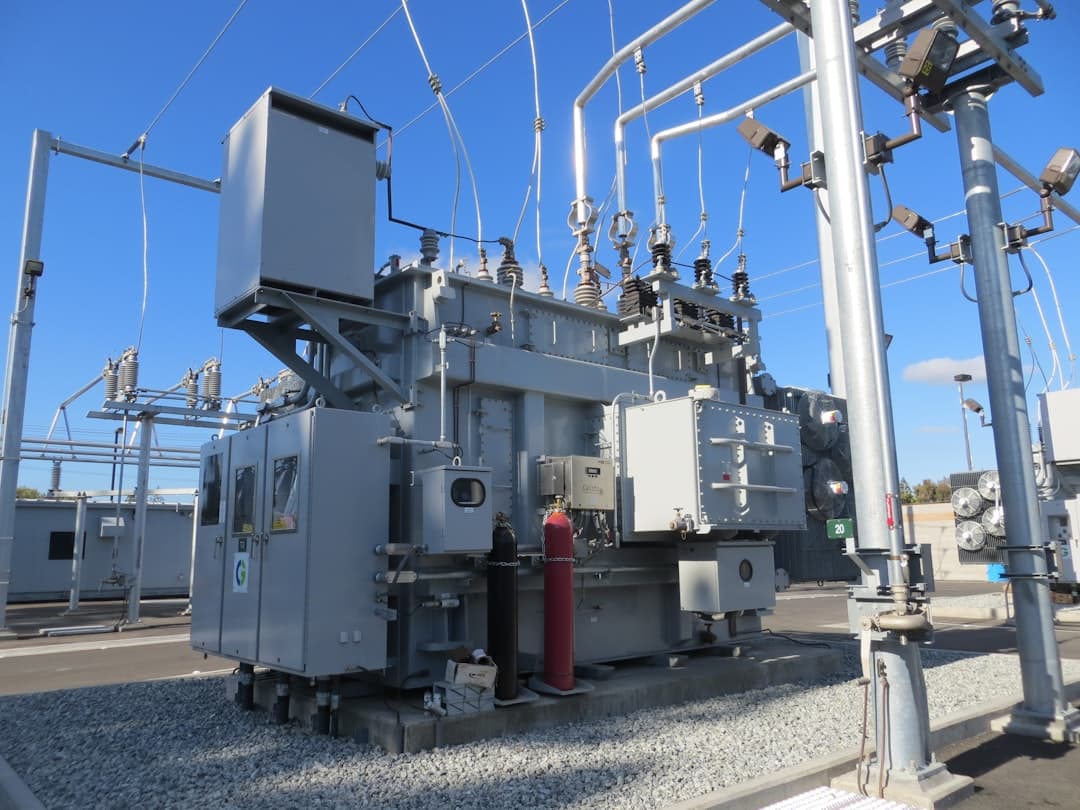
The AI boom has collided with physical reality. Under a Department of Energy order, the PJM Interconnection can curtail power to data centers with backup generation as a last resort before instituting rolling blackouts . PJM, which serves 67 million people across the Mid-Atlantic and Midwest, asked for permission to curtail those facilities for three days starting May 18 because of hot weather combined with planned power plant maintenance outages, expecting to have less than 5,800 MW of reserves during its May 18 peak, with Maryland and Virginia especially stressed , Utility Dive reported. The grid operator that powers a fifth of the U.S. economy is now rationing electricity to the industry building the future.
Can the Grid Keep Up With AI's Appetite?
The numbers tell a story of exponential mismatch. Driven by data centre investments, the capital expenditure of five large technology companies surged to more than $400 billion in 2025 and is set to increase by a further 75% in 2026 , the IEA found. For context, the entire US electric utility industry invested approximately $160 billion in generation, transmission, and distribution infrastructure in 2024. The technology sector is now outspending the utility industry on energy-adjacent infrastructure by a factor of two , according to industry data.
Tesla Inc. and SpaceX CEO Elon Musk said earlier this year, "Very soon, maybe even later this year, we'll be producing more chips than we can turn on" , Bloomberg reported. He was not exaggerating. The Lawrence Berkeley National Laboratory predicts that data center demand will grow from 176 terawatt hours (TWh) in 2023 (or, about 4.4% of total U.S. electricity consumption) to between 325-580 TWh (6.7-12.0%) by 2028 . According to a Bloomberg News analysis, data centers accounted for almost 40 percent of Virginia's total consumption in 2024 —more than all the state's households combined.
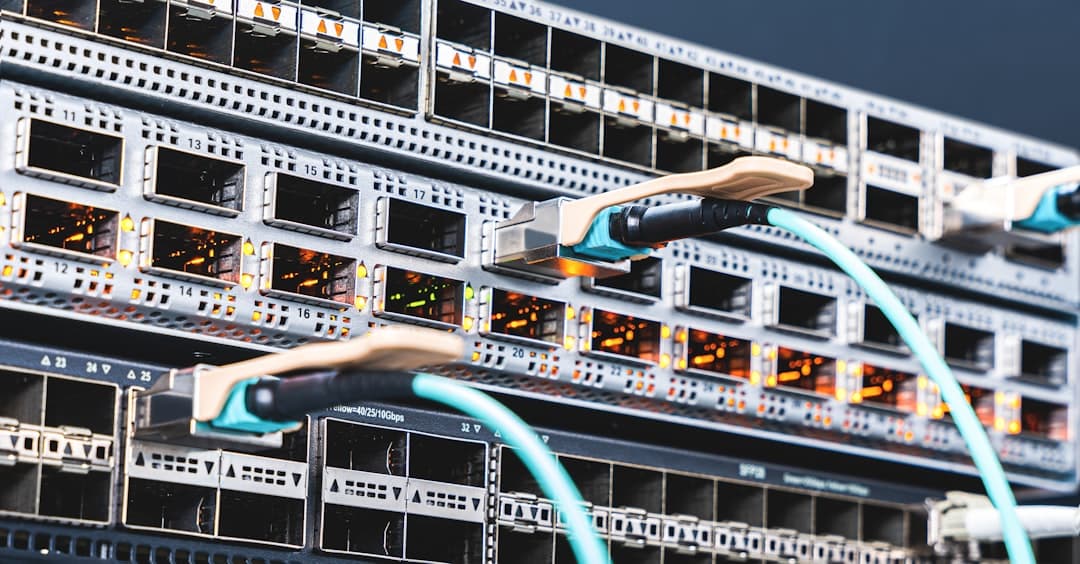
The problem is not just scale but speed. A standard server rack in this kind of data center might require between 25 and 40 kilowatts, or enough to power around 20 AC units , Bloomberg noted. But AI data centers also run on densely packed, more advanced graphic processing units, or GPUs. And power demand keeps growing . Huang said Nvidia's Grace Blackwell system is doing very well, and Vera Rubin is in full production —each generation drawing more power than the last.
What Are Regulators Doing About It?
Europe moved first. The European Union will develop minimum energy-efficiency standards for data centres, with EU data centre capacity expected to more than double in the coming years, reaching 28 gigawatts by 2030 from 12GW last year , The Irish Times reported. The European Commission said it would develop minimum performance standards for both new and existing data centres, with a "needs assessment" due by 2027 , Reuters reported. In Ireland, data centers accounted for 22 per cent of all energy consumed in the State in 2024, more than all urban households in the country .
The U.S. response has been more fragmented. "The result is a transition from an era of managing surplus to an era of managing scarcity," the PJM document states , pointing to extended timelines for bringing new generation online. Under that framework, large new electricity users such as data centers relying on existing grid supply could face restrictions during peak demand events, while residential consumers and existing customers would receive priority access to available electricity . At the state level, Virginia, Georgia, Indiana, and Washington have enacted or proposed legislation requiring data center operators to fund infrastructure improvements proportional to their electricity consumption .
Meanwhile, Nvidia CEO Jensen Huang spent this week in South Korea—his second visit in seven months. Huang is expected to have meals of smoky Korean barbecue and soju drinking sessions with tech executives there. He is also set to appear on one of South Korea's most popular variety TV show "You Quiz on the Block," and throw out the first pitch at a Doosan Bears baseball game , CNBC reported. The Footprints website, which has drawn more than 80,000 visitors, displays the share-price moves of companies that are often associated with Nvidia . The celebrity treatment reflects hard economics: Samsung Electronics and SK Hynix between them make about 70% of the memory needed for AI chips like Nvidia's , The Japan Times reported.