$163 million in a single morning. That's what oil companies wagered on Alaska's frozen tundra in March, shattering records for a region that had been written off as too remote, too expensive, too yesterday. The bet signals something larger: the world's energy map is being redrawn, not by climate activists or renewable mandates, but by war, scarcity, and the sudden realization that supply chains built on cheap Middle Eastern crude are dangerously brittle.
The National Petroleum Reserve-Alaska lease sale drew 11 companies and $163 million in bids for more than 1 million acres across the western Arctic , OilPrice.com reported. More striking than the dollar figure were the names on the bid sheets. ExxonMobil and Shell—two supermajors thought to have little interest in Alaska—surprised industry insiders, with Shell not having drilled a well in the state since its failed offshore campaign more than a decade ago and ExxonMobil not bidding on leases in years , according to the Alaska Beacon.
The timing is no accident. With the Strait of Hormuz effectively closed since late February and Iraq, Saudi Arabia, Kuwait, the UAE, Qatar, and Bahrain collectively shutting in 10.5 million barrels per day of crude oil production in April , per the EIA, secure supply suddenly matters more than production costs. Alaska offers something the Persian Gulf cannot: geography that doesn't require naval escorts.
Can the Arctic Fill the Gulf?
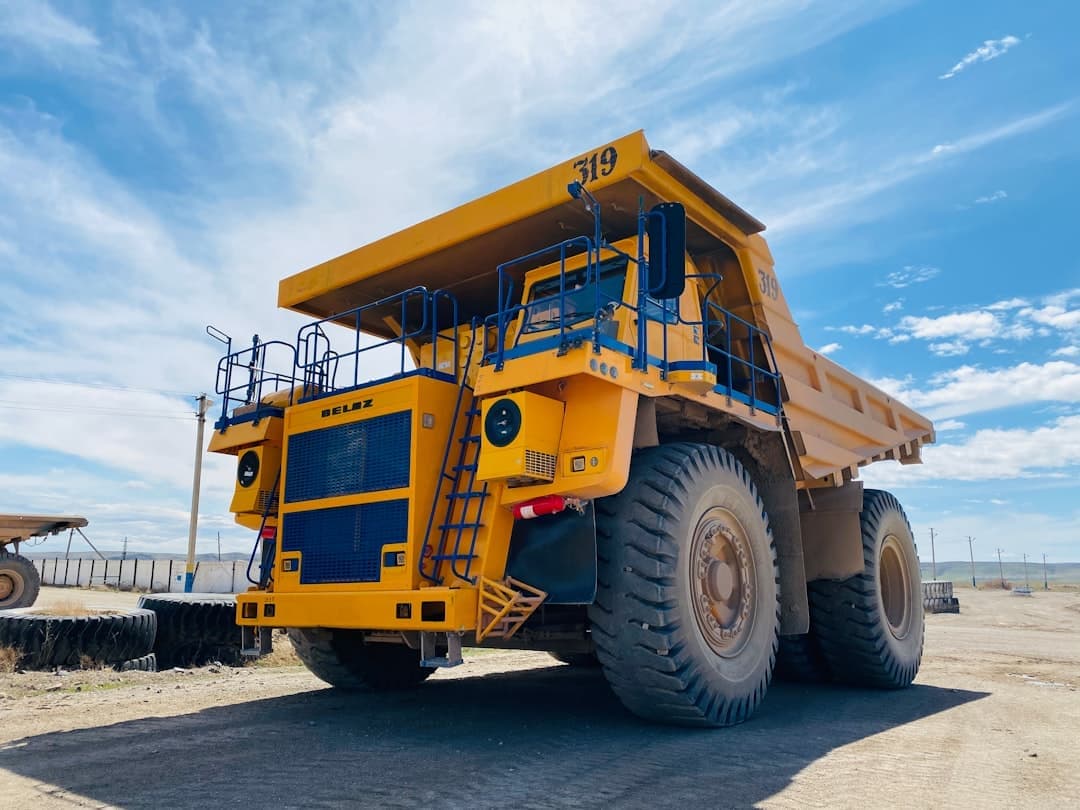
Not quickly, and not entirely. Geologist Bill Armstrong estimates at least 700 million barrels at the Sockeye discovery, noting that the same underground geological features making other fields successful appear replicated moving west across the reserve , Fortune reported. But developing Arctic oil is punishing work. Operations require complex logistics and specialized equipment, with many critical activities limited to short seasonal windows when crews can work from ice roads and pads, even as temperatures fall to -30°F .
Still, the industry is betting on a longer game. Bob Fryklund, a top oil and gas analyst at S&P Global Energy, said recent oil discoveries have expanded known resources on the North Slope, calling it "kind of been a sleeper basin" . The first new leases won't produce oil for years, but the message is clear: oil majors are hedging against a world where Middle Eastern supply can vanish overnight.
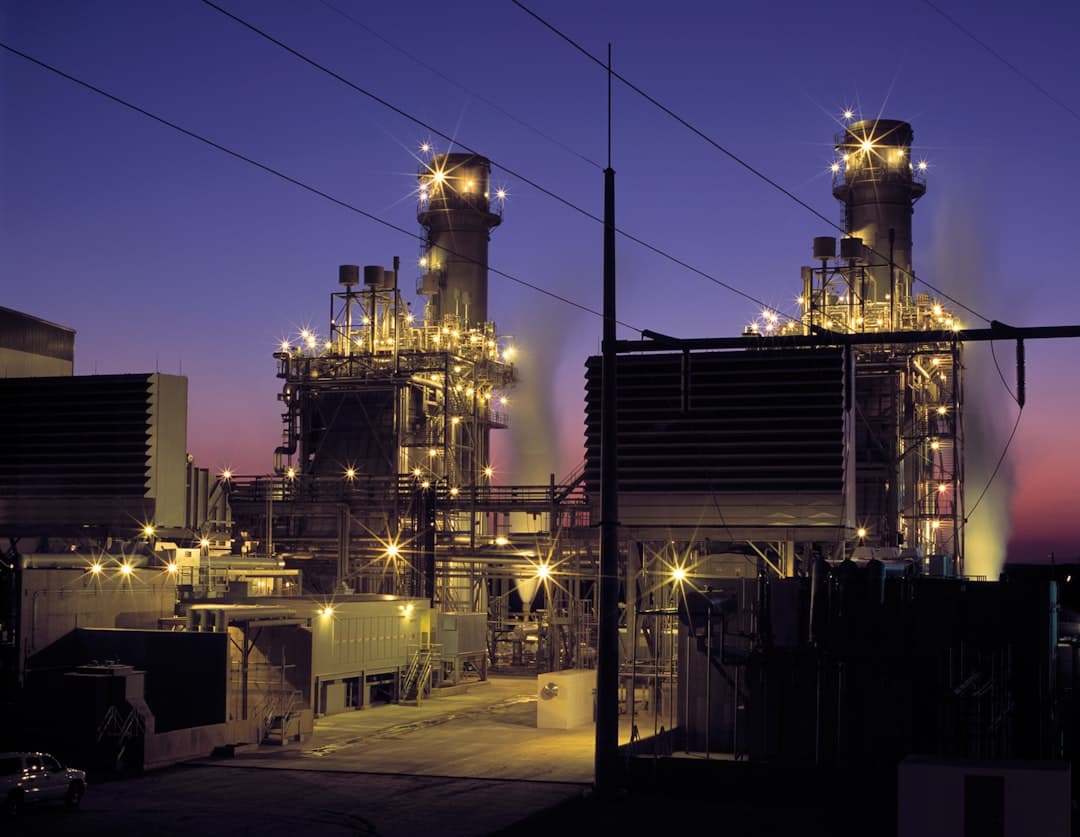
Natural gas is telling a parallel story. Henry Hub spot prices jumped 5.1% to $3.06/MMBtu in Tuesday's mid-day session, trading nearly 16% higher over the past month, as average gas output in the U.S. Lower 48 states slipped to 109.2 billion cubic feet per day , OilPrice.com reported. The culprit? Producers dialing back after months of low prices, just as LNG export demand surges.
Feedgas flows to LNG facilities have begun recovering after spring maintenance, with total LNG export demand roughly 3.0 bcfd higher year-over-year and projections that flows will climb steadily through summer to potentially reach 22 bcfd by year-end , according to the same report. European and Asian buyers are scrambling for American cargoes to replace lost Gulf supply, adding what traders call a structural risk premium to U.S. contracts.
Who Gets Left Exposed?
Pakistan is learning the answer the hard way. Despite depending on supplies through the Strait of Hormuz for up to 90% of its oil and LNG imports, Pakistan has no strategic petroleum reserves, leaving it exposed to supply shocks provoked by the Iran war even as its IMF lending programme limits room for costly state-owned emergency stocks , Reuters reported.
The government's response reads like a crash course in energy security 101. The energy ministry is proposing to build strategic petroleum reserves as well as commercial storage through bonded terminals, refineries and oil marketing companies, while also pushing for more oil and gas exploration, refinery upgrades and downstream sector consolidation . The build-up would be paid for by a ring-fenced fund financed by 10 rupees per litre from existing petroleum levies, generating about $700 million a year .
It's a plan born of desperation. Petroleum Minister Ali Pervaiz Malik said building reserves was "easier said than done," especially for a country in an IMF programme with severe fiscal challenges , but added the government was trying to move quickly from planning to implementation. Pakistan shared its framework with Saudi Aramco, Abu Dhabi National Oil Corp, QatarEnergy, and trading giants Vitol and Trafigura—a signal that it's serious, even if the money isn't there yet.
Venezuela, meanwhile, is positioning itself as the beneficiary of Gulf chaos. The outlook for increased natural gas production from Venezuela has improved in months since the U.S. military's removal of President Nicolas Maduro, though questions surrounding regulatory and political uncertainty continue to dog the country's gas developments , Energy Intelligence reported. J.P. Morgan Global Research projects Venezuela's oil production could realistically ramp up to 1.3 to 1.4 million barrels per day within two years of a political transition —not enough to replace the Gulf, but enough to matter.