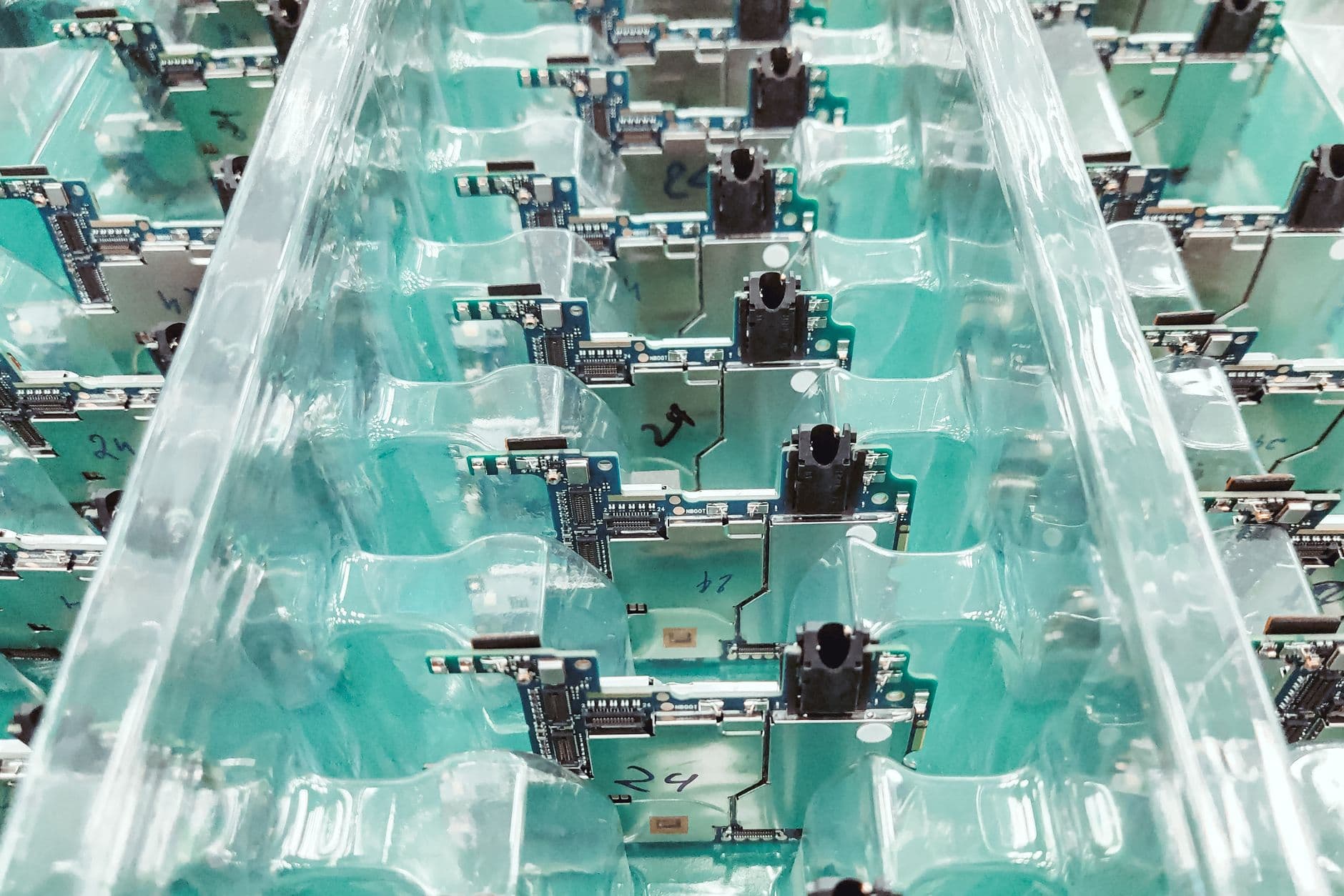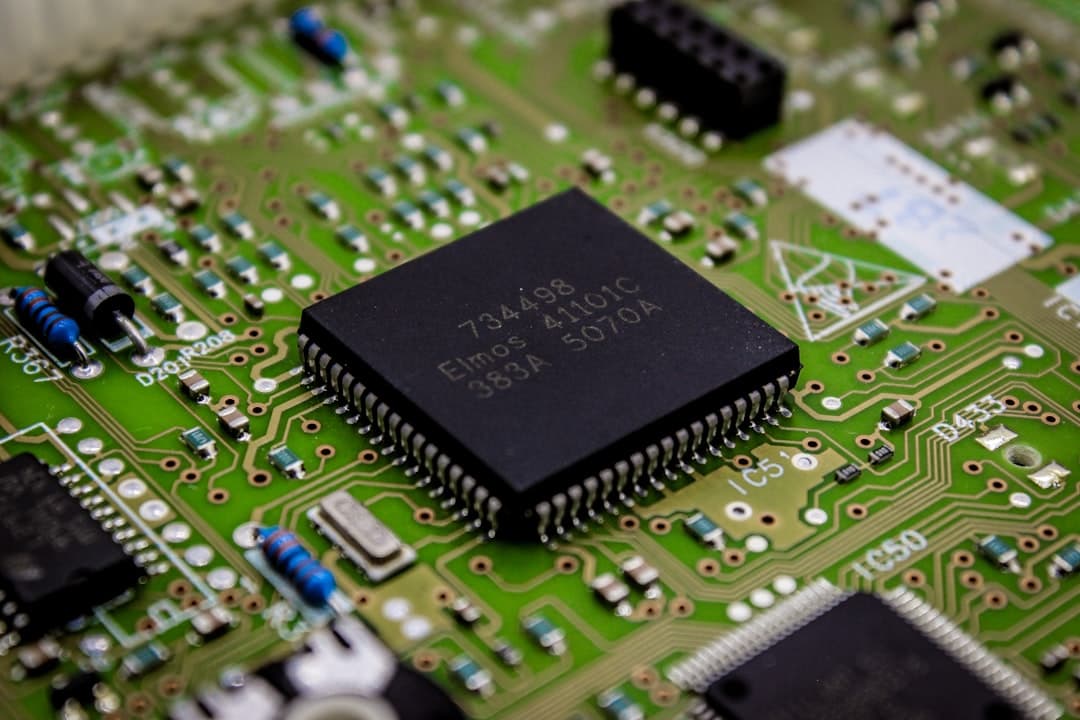
South Korea's semiconductor exports jumped 169% in May to a record $37.16 billion, Reuters reported Monday—the strongest annual growth rate in more than four decades. Samsung and SK Hynix are printing money. Their stock prices have doubled this year. Yet 8,000 miles away, smartphone makers are slashing production forecasts and warning customers that the $200 Android phone is effectively dead.
The disconnect is not a paradox. It is the architecture of a supply chain civil war, and AI infrastructure is winning decisively. According to IDC, data centers now consume roughly 70% of all memory chips produced worldwide, up from less than 30% two years ago. The reallocation is so severe that the global smartphone market is projected to contract 13.9% in 2026—the steepest decline on record—while memory manufacturers report gross margins above 50%. What began as an AI boom has become a zero-sum fight for silicon, and consumer electronics lost.
Can Three Companies Decide What Gets Built?
Samsung, SK Hynix, and Micron control over 95% of global DRAM production, according to IDC. All three have made the same calculation: pivot capacity toward high-bandwidth memory for AI accelerators, which sells at four to five times the price of consumer DRAM. The math is brutal for everyone else. Each gigabyte of HBM consumes roughly three times the wafer capacity of standard DDR5, Tom's Hardware reported. A single Nvidia B300 GPU requires 96 DRAM dies just for its HBM modules—equivalent to the memory for dozens of smartphones.
TSMC, the world's dominant chipmaker, is running at capacity limits. The company plans to spend up to $56 billion in 2026 on expansion, CNBC reported in April, but demand still "significantly outpaces supply," according to Counterpoint Research analyst William Li. Nvidia has reportedly reserved the majority of TSMC's advanced CoWoS packaging capacity through 2026, leaving little room for other customers. The bottleneck is not just logic chips—it is packaging, memory, and even the helium required to cool semiconductor fabs. Manufacturing Dive reported that helium spot prices have doubled following strikes on Qatari production, which supplies one-third of global output. Fabs in Taiwan and South Korea are now rationing the gas.
Synopsys CEO Sassine Ghazi told CNBC in January that the memory "crunch" will persist through 2027, as it takes a minimum of two years to bring new fab capacity online. Micron announced in December that its HBM capacity is sold out through calendar year 2026. SK Hynix told investors its advanced packaging lines are at capacity through the same period. The concentration of supply in three producers, combined with multi-year lead times, has created what one analyst called "a seller's market with no exit ramp."
What Happens When Smartphones Become Uneconomical?
IDC now projects that 1.09 billion smartphones will ship in 2026, down from 1.26 billion in 2025. The sub-$100 segment—worth 171 million devices annually—is becoming "permanently uneconomical," IDC stated, even after memory prices stabilize. Average selling prices are expected to rise 14% to a record $523 this year, driven almost entirely by component costs. For mid-range devices, memory represents 15-20% of the bill of materials; as DRAM prices surge, manufacturers face a choice between raising prices or cutting specs.
The pain is asymmetric. Apple secured memory supply early through long-term contracts and is seeing its market share rise to a record 22% in 2026, according to IDC. The iPhone 17 is selling strongly in China and developed markets, where consumers are willing to pay premium prices. Android manufacturers concentrated at the low end, by contrast, are being squeezed out. IDC expects the steepest declines in the Middle East and Africa (down 23%), Central and Eastern Europe (down 19%), and Asia Pacific excluding Japan and China (down 14%). Nothing co-founder Carl Pei warned in January that "the 'more specs for less money' model that many value brands were built on is no longer sustainable in 2026."
The smartphone contraction is mirrored in PCs, automotive chips, and consumer electronics. IDC projects the PC market could contract 4.9% to 8.9% in 2026, depending on how long supply constraints persist. Honda reported in November that it would reduce North American production by 110,000 vehicles due to semiconductor shortages. The global electronics supply chain, which spent two decades democratizing technology by driving component costs down, is now moving in reverse.