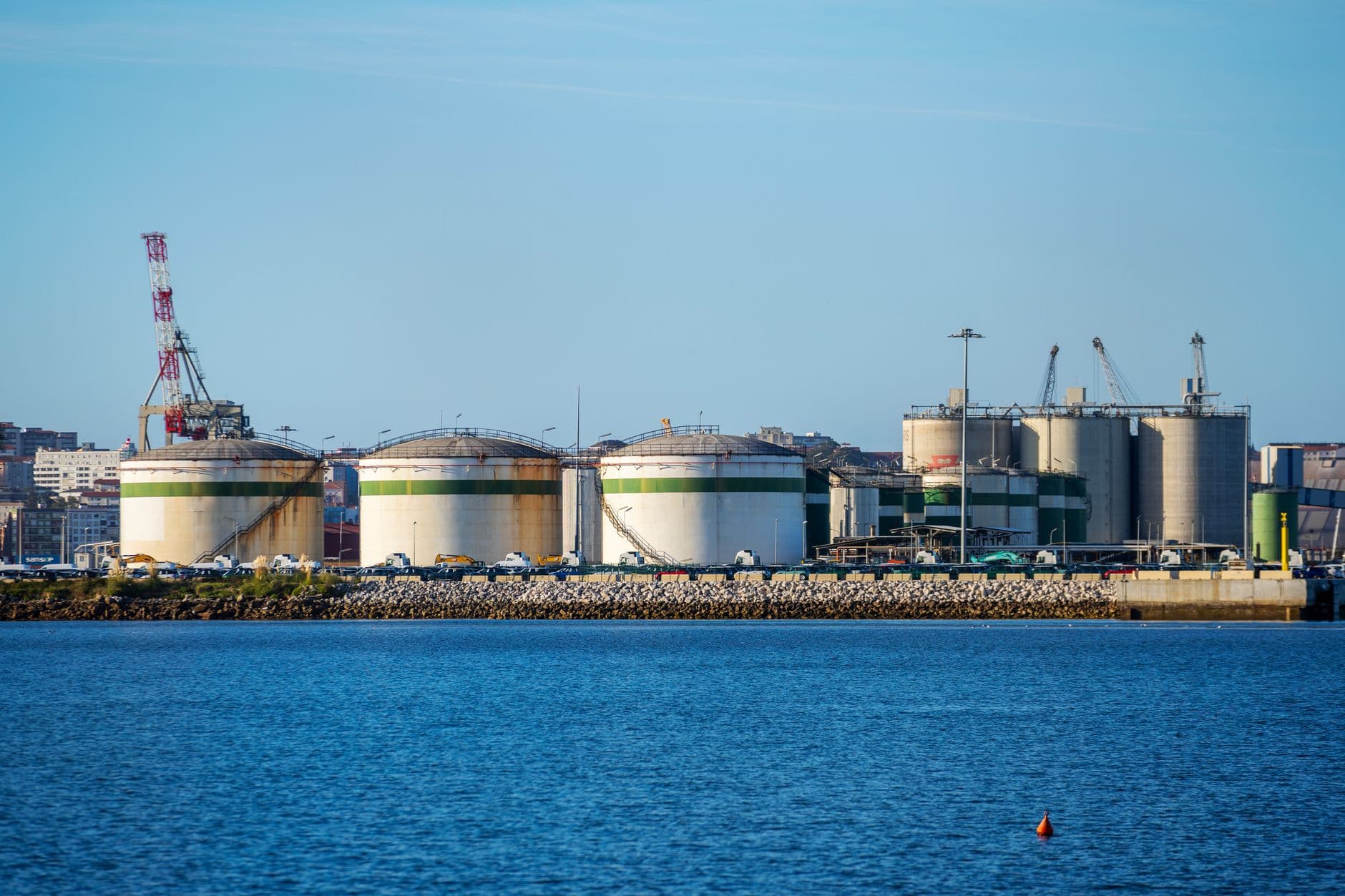
Saudi Arabia pumped less oil last month than at any point in more than thirty years. Not because it wanted to. Saudi Arabia's crude supply fell 2.3 million barrels per day on the month to 6 million bpd in August, the lowest level in more than three decades, the International Energy Agency said Friday, citing attacks on Saudi energy facilities. The drop follows the targeting by groups linked to Yemen's Houthis of ships transiting the Bab el-Mandeb, Saudi Arabia's Jazan refinery and shipping near Yanbu, and Iran-backed militias in Iraq using drones to hit Saudi Arabia's Abqaiq oil processing site.
That single number explains why almost everything else in energy markets this week looks the way it does. The IEA now says the world will not get its Gulf oil flows back to normal this year at all — the agency revised its forecast for Saudi Arabia's crude supply in 2026 down by 885,000 bpd to 7.6 million bpd, citing a delayed recovery for Middle East Gulf production — and world oil supply is now projected to average 100.7 million barrels a day in 2026, down 5.7 million bpd year-on-year, a cut of 1.4 million barrels from last month's estimate. The war that began as a shipping problem in the Strait of Hormuz has become something closer to a permanent redrawing of where energy infrastructure is safe to build, how much it costs to move a barrel, and even where a server farm should sit.
Start with the price of getting oil out of the Gulf at all. Supertanker rates on the Baltic Exchange's benchmark Middle East-to-China route have surged to a staggering $800,000 a day, after US forces destroyed five Iranian-linked tankers and Tehran threatened further escalation. Kpler expects VLCC earnings to stay above $100,000 a day into early next year — more than double the historical norm near $45,000. The oil is still moving; it's simply that owners who load inside Hormuz are being paid a fortune to accept the risk. Ship-to-ship transfers in the Gulf of Oman are keeping an estimated 10 million to 15 million barrels a day flowing through the strait despite that risk — a workaround, not a fix. October WTI futures settled at $103.93 a barrel Thursday, up +7.51%, while November Brent closed at $108.95/bbl, up +7.20%, according to market data — crude prices that now embed a permanent war-risk premium rather than reacting to any single headline.
That premium lands hardest at the diesel pump. The national average price of diesel hit yet another record on Friday, soaring past $6 a gallon, with the average at $6.05 — up from $5.85 last week and $3.70 a year ago, according to AAA. Diesel is not a discretionary purchase. Higher diesel prices mean more expensive transportation for a long list of everyday goods, because diesel powers most freight and delivery networks. Some California pumps ran out entirely, with stations listing diesel at $9.99 a gallon — the highest price some dispensers can even display — after running out of fuel, GasBuddy's head of petroleum analysis told the Daily Caller News Foundation. Trucking, groceries, farming: the bill for a war fought over a strait most Americans have never located on a map is now arriving at the checkout counter.
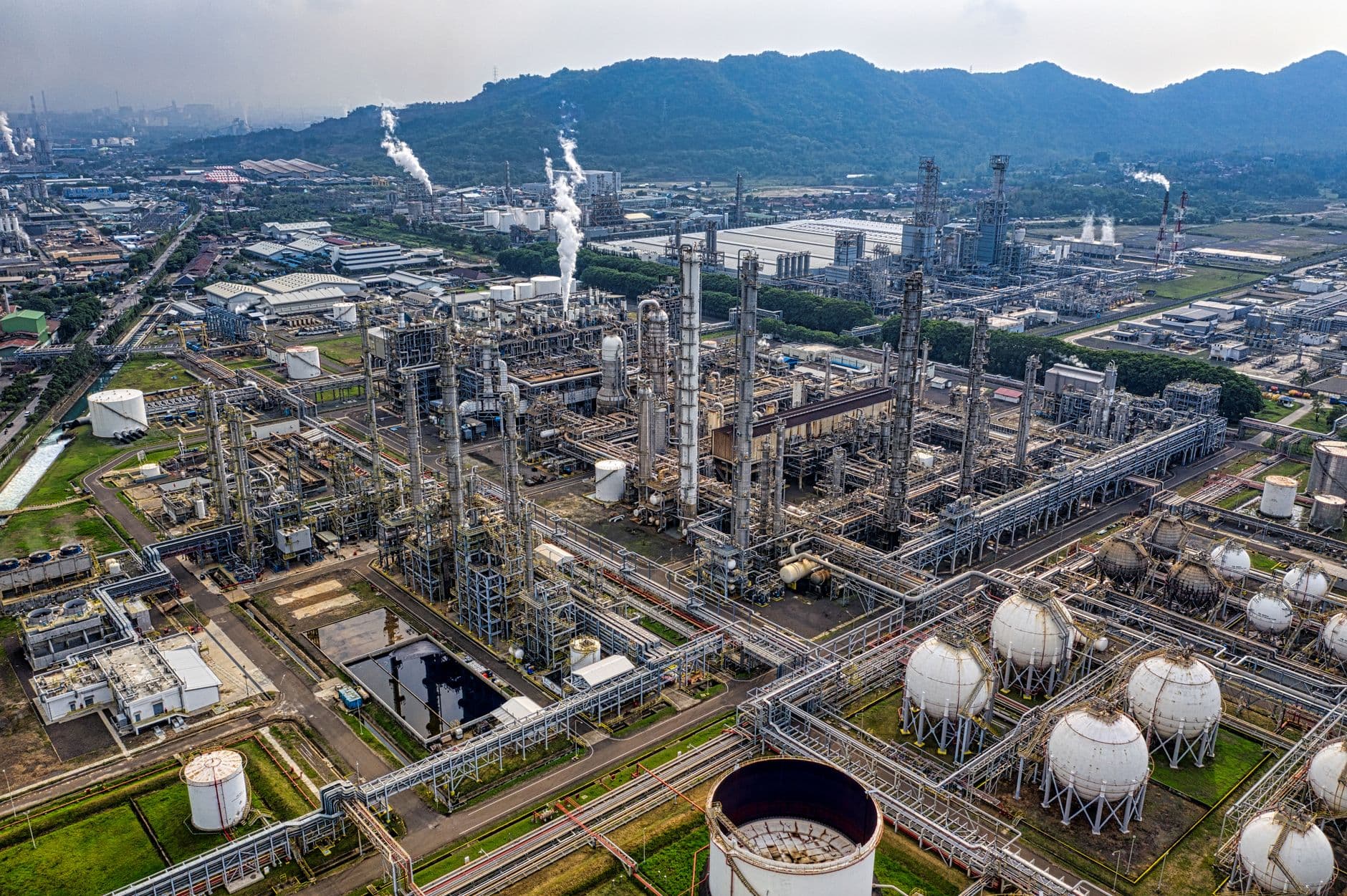
Washington's response has been to treat the refining system itself as a matter of national defense. Reuters reported Friday that the White House is weighing new uses of the Defense Production Act to expand domestic refining capacity — an escalation of the emergency authority Donald Trump first invoked in April to fast-track petroleum production, refining and logistics projects as essential to national security. The logic is blunt: if the Gulf can't be trusted to supply fuel reliably, the United States has to build more capacity to refine what it can still get, wherever it can get it.
The same instinct — build for survivability, not efficiency — has jumped from oil into artificial intelligence, in a way that says something new about how governments now think about infrastructure generally. The UAE is quietly abandoning its plan for a single, showcase 5-gigawatt AI campus outside Abu Dhabi. Originally envisaged as a 10-square-mile campus, the project will now likely comprise a network of data centers spread across the UAE, with officials considering underground facilities and mountain sites in Ras Al Khaimah and Fujairah. The reason is the same one reshaping Saudi export terminals: Iranian drones damaged three Amazon Web Services facilities in the region earlier this year, with direct hits on two UAE facilities and one in Bahrain. A data center, it turns out, is just as vulnerable to a Shahed drone as a refinery. As Daniel Benaim, a Middle East Institute fellow, put it to Reuters, the conflict amounts to an "economic earthquake" for Gulf states, and every country in the region will now try to reduce infrastructure risk to reassure international investors.
It is a strange symmetry: the same missiles that pushed Saudi crude supply to a three-decade low are pushing the UAE's AI ambitions underground, literally. Energy stocks have not missed the signal — the XLE Energy Select SPDR closed at $64.93 Thursday, up sharply against its 50-day average, per market data, even as broader risk assets wobbled. Gold and silver, oddly, slipped rather than rallied on the fear, trading at $4,314.99 and $63.45 respectively — a reminder that in this crisis, oil and freight, not bullion, are the assets doing the flight-to-safety work.
None of this resolves until ships can cross Hormuz without an armed escort and a insurance premium the size of a mortgage. Until then, the war is doing what wars do to infrastructure everywhere: forcing planners to stop optimizing for cost and start optimizing for survival — whether that infrastructure pumps crude or trains a language model.