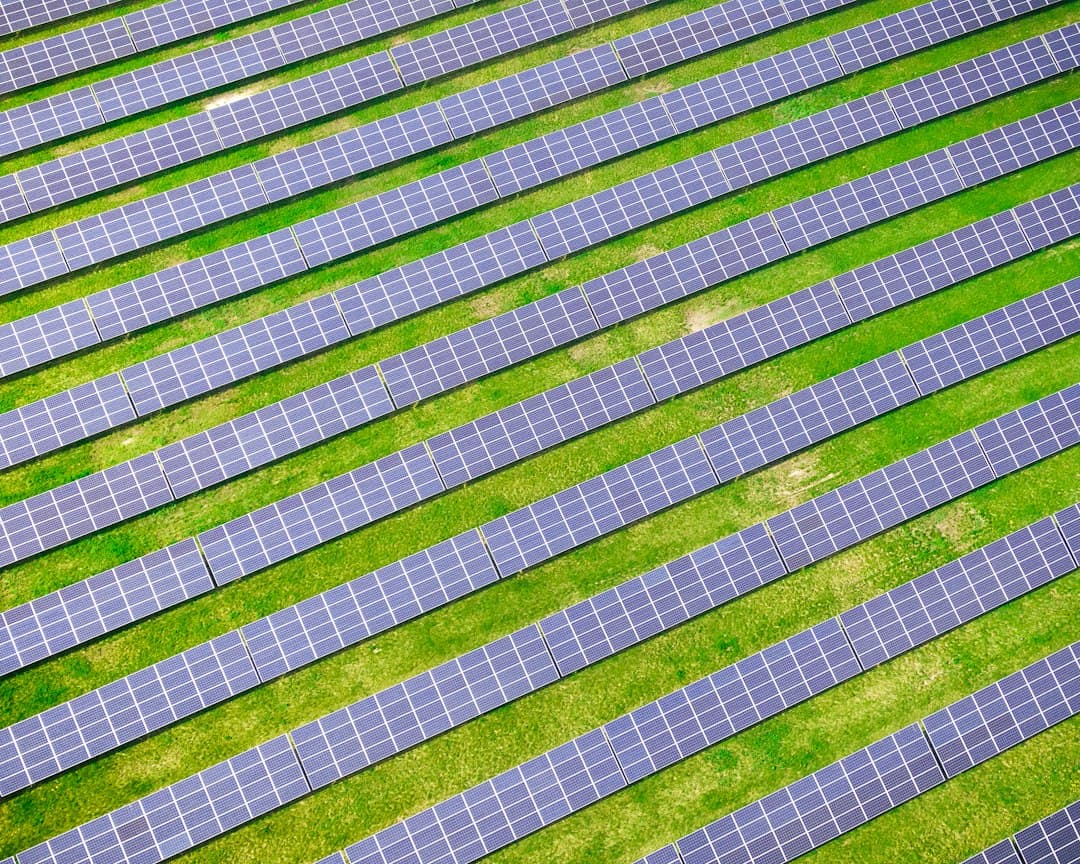
India held back 8,133 gigawatt-hours of solar power between April and June—enough electricity to run 1.4 million homes for a year. The reason wasn't a lack of demand. India's grid faced challenges in absorbing excess daytime generation, Minister of State for New and Renewable Energy Shripad Naik told the Rajya Sabha in a written reply . Peak power demand reached a record 270.82 GW on May 21, driven by intense heatwave conditions , according to Business Today. The problem was simpler and more intractable: the wires weren't there.
New clean energy plants coming into operation ahead of schedule and delayed transmission projects force these power output curtailments , Reuters reported. Of the total curtailment, 2,417 GWh was recorded in April, 3,235 GWh in May and 2,481 GWh in June . That's not a rounding error. It's 11% of India's solar output during the country's hottest quarter on record—power generated, paid for, and then thrown away because the grid couldn't move it from where the sun shines to where the air conditioners run.
Can You Build Solar Faster Than Transmission?
Apparently, yes. About 33% of the 54.8 GW of recently commissioned renewable capacity was being evacuated through the temporary general network access route as of May 2026, according to ICRA . That's industry speak for "we plugged it in, but it doesn't really work yet." Curtailment under this temporary access route is highest during solar hours, remaining in the range of 50-60% , the rating agency noted. Translation: half the panels sit idle at noon.
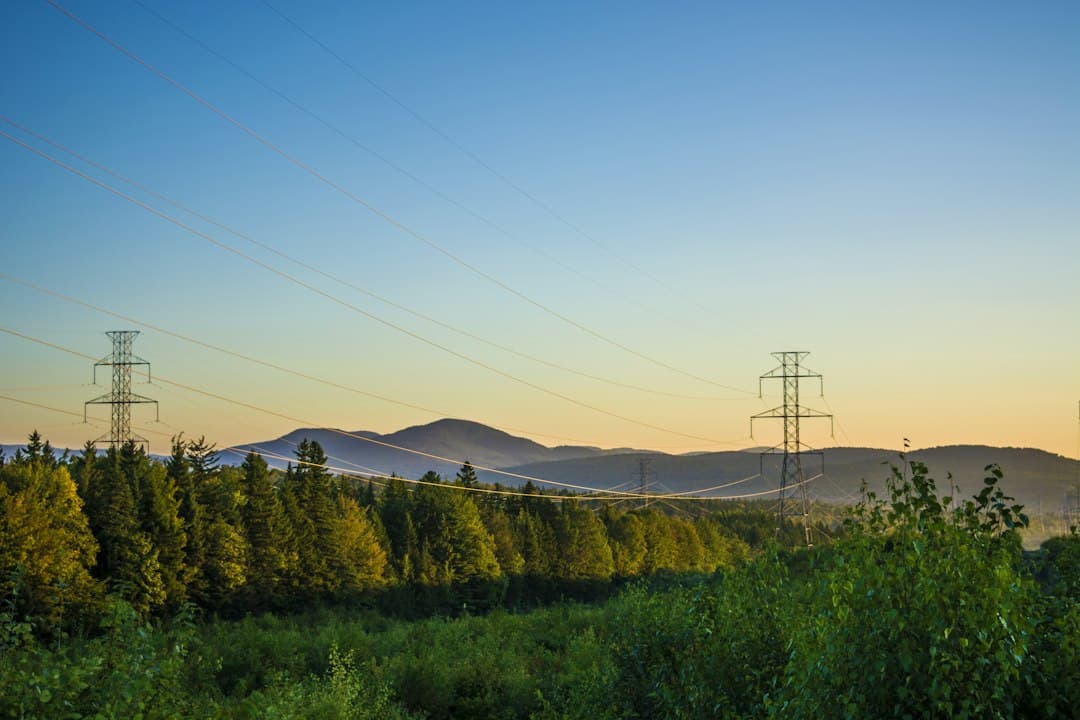
The mismatch is structural. Out of total transmission projects commissioned by March 2026 under the tariff-based competitive bidding route, only 12% were completed within the scheduled timeline, while the balance was commissioned with a lag of two months to three years, with the median delay of over 10 months , ICRA found. Solar farms take eighteen months to build. Transmission lines take five years—if the permits clear and the land acquisition doesn't stall. They rarely do.
India isn't alone. Over 2,500 GW of renewable, large-load and storage projects are currently stalled in grid queues worldwide, according to the IEA . As of 2026, the U.S. interconnection queue has swelled to a 2,600 GW backlog, with the median wait time for a project to reach commercial operation approaching five years , per industry analysis. Europe has 1,700 GW delayed. The pattern is the same everywhere: generation moves at the speed of capital; grids move at the speed of bureaucracy.
What Happens When the Battery Maker Pivots?
China's Contemporary Amperex Technology Ltd (CATL), the world's largest EV battery maker, says energy storage now accounts for 25% of its global sales, but it wants to increase that number to 50% by 2030 , according to industry reports. That would make EV batteries a minority of its business for the first time. The shift is deliberate. During the initial fortnight of June, CATL secured a total of 5.4 GWh in storage orders , driven by what analysts describe as surging demand for grid-scale systems that can smooth out the kind of curtailment India is experiencing.
The technology is moving fast. CATL positioned its new sodium-ion battery as the world's first platform-based sodium-ion battery designed specifically for energy storage, with commercial deployment expected within 2026 . Sodium is abundant, cheap, and doesn't rely on lithium supply chains. It's also a hedge: if grids can't absorb renewable power in real time, store it and release it later. The economics only work if the grid can handle the discharge. Most can't.
Meanwhile, Finland is heating sand. Standing at 13 meters tall and 15 meters wide, the facility in Pornainen uses 2,000 metric tons of crushed soapstone to store clean energy in the form of heat to provide 100 megawatt-hours of thermal energy , CNBC reported. The industrial-scale sand battery can cover almost one month of the town's heating demands in the summer and as much as one week in the winter . It's thermal storage, not electrical—heat you can't hack, can't curtail, and don't need rare earths to build. Lahti Energia projects that a separate 250 MWh Sand Battery will reduce fossil-based emissions in the Vääksy district heating network by approximately 60% annually, driven by an estimated 80% decrease in natural gas use .