Rocket Lab said on Monday it would acquire satellite communications provider Iridium Communications in a cash-and-stock deal valued at about $8 billion, marking one of the biggest consolidation moves in the commercial space industry.
The deal would give Rocket Lab control over Iridium's 66-satellite low-Earth orbit network, globally licensed L-band spectrum, and a customer base of more than 2.55 million subscribers spanning government, defense, aviation, maritime, and commercial markets.
Each Iridium share is valued at $54 under the deal's structure — half in cash and half in Rocket Lab stock — representing a 24.1% premium over the closing price of Iridium's shares June 26.
The deal is expected to close in mid-2027 pending shareholder and regulatory approvals. Rocket Lab shares jumped 9% on Monday while Iridium shares, which have more than doubled in value already this year, soared about 20%.
Why Rocket Lab Needed a Shortcut
The acquisition, Rocket Lab said, would help it sidestep three "big challenges" to building a satellite communications business: access to spectrum, the long lead time to deploy infrastructure before generating revenue, and the years required to build a customer base and recurring cash flow.
"We've found a shortcut," the company said in an investor presentation.
Sir Peter Beck, founder and CEO of Rocket Lab, called it "a defining moment for the space industry," noting that "Iridium has built the gold standard in secure, safety critical global satellite connectivity" relied upon by "maritime fleets, the aviation industry, governments, and heavy industrial organizations who operate in the most remote off-the-grid locations."
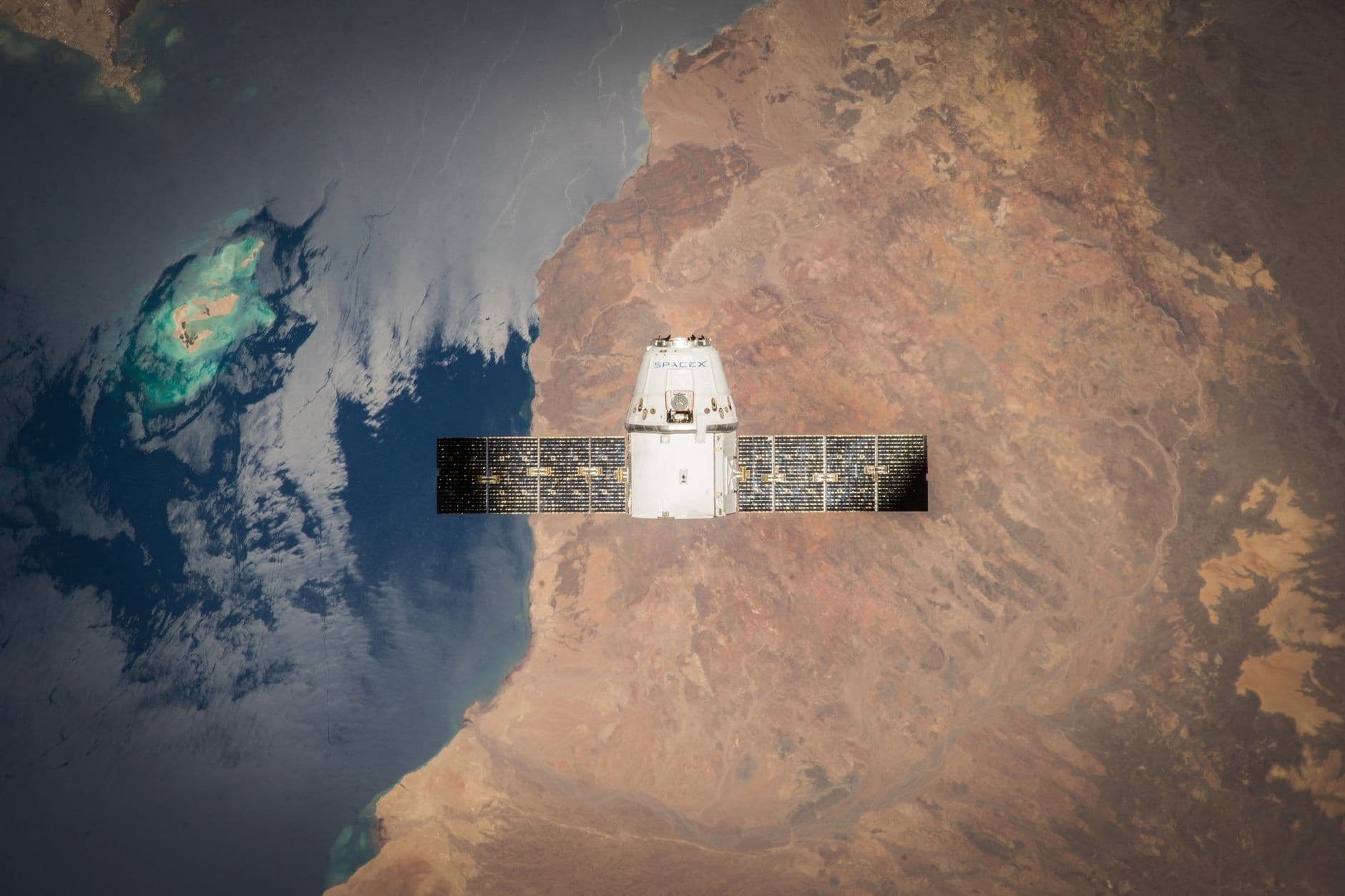
Iridium operates a constellation of 66 satellites, with 14 on-orbit spares, that provides phone and data services using L-band spectrum.
The Iridium constellation is in Low-Earth Orbit, approximately 780 kilometers (485 miles) above the Earth, providing stronger signals and faster connections through smaller antennas with lower power requirements.
How This Stacks Up Against SpaceX
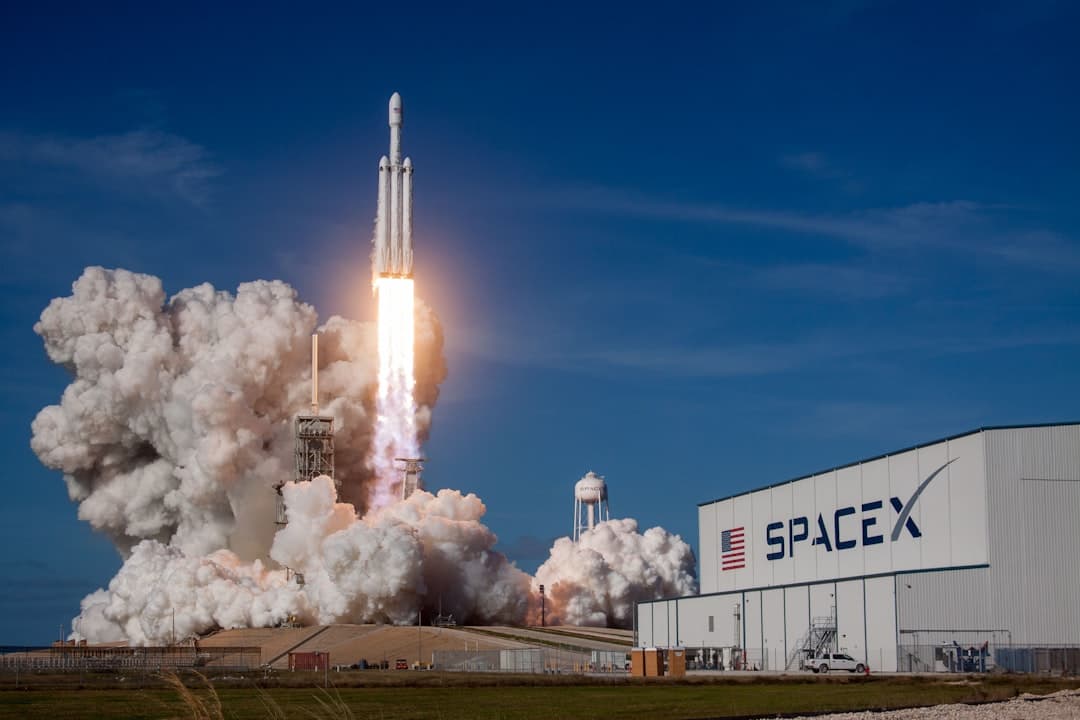
The strategy is similar to that of SpaceX and its unit Starlink, combining launch capabilities with satellite communications services.
The Elon Musk-led company raised about $86 billion in the world's biggest initial public offering earlier this month and has plans to expand its communications satellite business while developing orbital AI computing infrastructure.
But Iridium's strengths differ from Starlink's mass-market broadband approach. Iridium's globally harmonized L-band spectrum and its LEO satellite network form "a secure and resilient foundation for reliable satellite communications in government, defense, aviation, maritime, and enterprise sectors."
The transaction will give Rocket Lab an immediate foothold in space-based applications, including both proprietary and standards-based satellite Internet of Things and direct-to-device, PNT, and critical safety-of-life services.
By adding a profitable satellite communications business with recurring service revenue, Rocket Lab is beginning to resemble the broader business model that has helped make SpaceX one of the world's most valuable private companies.
The Financial Equation
Iridium reported $871.7 million in revenue in its 2025 fiscal year, with $114.4 million in net income, while Rocket Lab had $601.8 million in revenue in 2025 and a net loss of $198.2 million.
Iridium reported 2025 revenue of $871.7 million and an OEBITDA of $495 million, reflecting a 57% margin.
Rocket Lab posted record first-quarter revenue of $200.3 million, a 63.5% increase from the year-ago period, and ended the quarter with a backlog of $2.2 billion.
Rocket Lab stock joined the Nasdaq-100 Index earlier this month.
To cover the cash component of the transaction, Deutsche Bank and Wells Fargo have committed to a $3.6 billion bridge loan , with the remainder funded through existing cash and future debt and equity arrangements.