Forty-five years, and it had never run flat out until this spring. Now it isn't running at all.
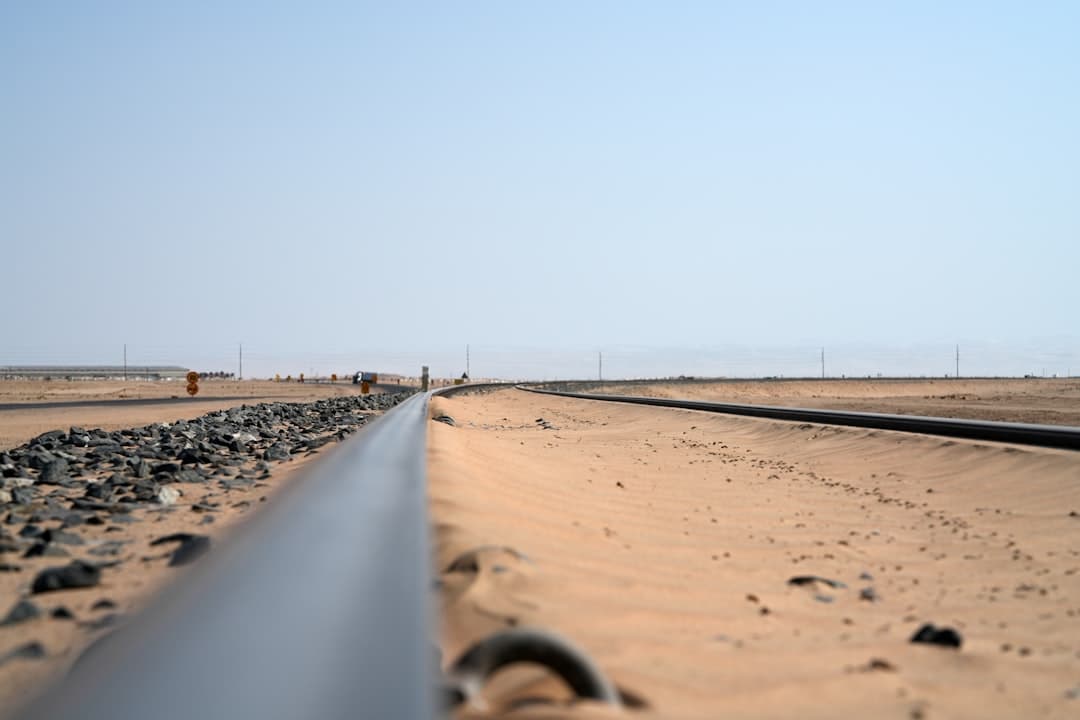
The Petroline, Saudi Arabia's 745-mile East-West pipeline, moved oil at a record seven million barrels a day earlier this year, according to Aramco's first-quarter results, after the kingdom converted spare gas-liquids capacity to crude service to keep exports flowing once the Strait of Hormuz effectively closed. On Friday, the Saudi Energy Ministry shut it down entirely. Drones struck multiple pumping stations near Medina on Thursday, injuring several workers, and the ministry called the closure a precaution while crews assessed the damage, Bloomberg reported.
That single decision matters more than the header numbers suggest, because the pipeline was never just infrastructure. It was Saudi Arabia's insurance policy against a war that had already sealed off its main export route. Since Iran blockaded Hormuz in March, a chokepoint that once carried something like a fifth of the world's oil, the kingdom had leaned entirely on the Petroline to move crude overland to the Red Sea port of Yanbu, according to CNBC. Now that policy has lapsed at the exact moment its Red Sea exit is also under threat.
Because the timing is the story here, not just the strike. A day after the drone attack, four Yemeni government sources told Reuters that Houthi fighters had seized Perim Island, the small volcanic outcrop that splits the Bab el-Mandeb Strait at the mouth of the Red Sea. It followed the fall of the port town of Mocha a day earlier, part of what NBC News described as the group's largest territorial gains in years along Yemen's coast. Iran's proxies are now positioned near both chokepoints that bracket the Arabian Peninsula, not just the one that has dominated headlines since February.
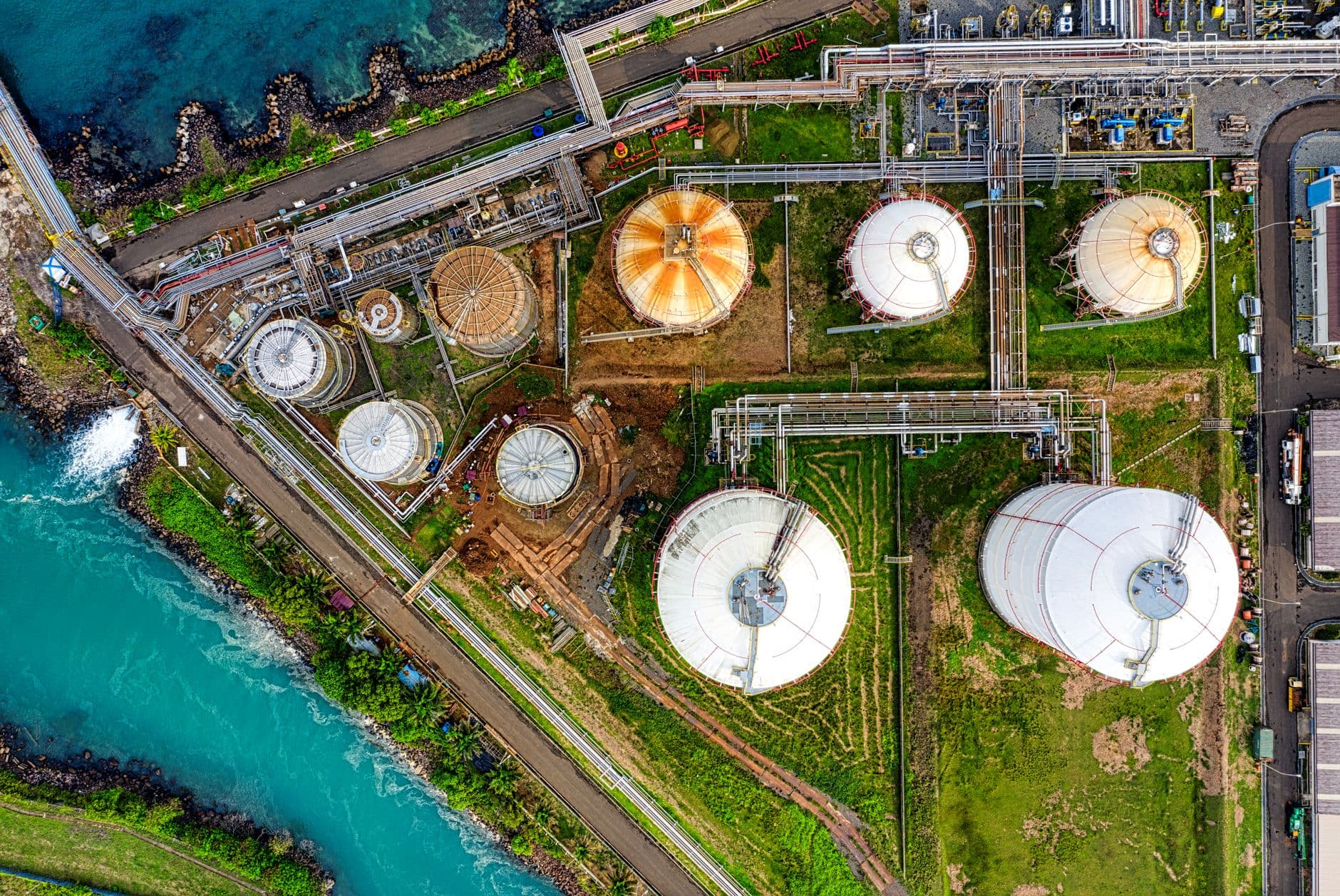
The arithmetic behind the pipeline explains why traders are watching pump stations, not just tanker counts. Even at full throttle, the Petroline's seven million barrels a day never translated one-for-one into exports: roughly two million barrels feed west-coast refineries before reaching a berth at all, and Yanbu's loading terminals can only handle around four to four-and-a-half million barrels a day in sustained practice, according to industry data compiled by Vision2030.ai. The line was less a spigot than a bottleneck with a bottleneck at the end of it — and now the first segment has gone dark.
Saudi Arabia has so far chosen restraint. Baghdad and Riyadh both said the drones launched from Iraq, where Iranian-backed militias operate, and Iraq's government dismissed a military commander in response on Saturday, per Reuters. The kingdom said it would not retaliate for now, at Iraq's request, while reserving the right to protect its "sovereignty, security and critical facilities," according to a statement carried by NBC News. Behind the diplomatic language, Crown Prince Mohammed bin Salman called President Trump twice as Houthi forces advanced on Mocha, urging strikes against the group — a request Trump declined, though Washington has offered intelligence and targeting data, Axios reported via Newsweek.
Energy analysts are, for now, more sanguine than the price action suggests. "I don't see a big fundamental change in the market from this, but I think there'll be more attention from the Saudis and their allies," a Berlin-based energy expert told Newsweek, noting that Yanbu crude loadings had actually recovered to around 3.7 million barrels a day earlier this month even with the Bab el-Mandeb threat intact. That reading may prove right. It also assumes the Houthis stop at Perim.
Markets moved accordingly and then, oddly, calmed. Brent crude futures settled at $104.42/bbl on Friday, down -4.16%, while WTI closed at $99.99/bbl, off -3.79% — a pullback from Thursday's surge even as the pipeline news broke, reflecting relief that the shutdown was framed as precautionary rather than catastrophic. The Energy Select Sector SPDR still traded at $65.14, up +0.32%, and sits well above its 50-day average near $60, a sign that six months of chokepoint anxiety have already been priced into energy equities even if the barrels haven't been.
The bill is arriving elsewhere. In Frankfurt, the European Central Bank is treating the Gulf as a monetary problem: Austria's Martin Kocher told the Financial Times the risk of elevated inflation is higher now than it was a few months ago, an unusually blunt admission that oil, not wages, is driving the eurozone's rate calculus. The region imports the majority of its crude, and every extra dollar on a barrel now travels through Frankfurt as surely as through Yanbu.
What happens next depends on repair crews and geography in roughly equal measure. Saudi engineers can likely patch pump stations faster than Houthi fighters can consolidate a strait. But for a kingdom that spent this year building the one workaround that let it ignore Hormuz, the lesson of the past 48 hours is uncomfortable: in a war fought with drones and militias rather than fleets, there may be no such thing as a pipeline the enemy can't reach.