Anthropic raised $65 billion last week and leapfrogged OpenAI to become the most valuable AI startup on the planet, worth $965 billion. OpenAI sits at $852 billion after its March mega-round. Between them, the two San Francisco labs have pulled in more than $250 billion in funding since ChatGPT launched in late 2022, according to CNBC. That capital didn't disappear. It moved—violently—away from nearly everything else.
More than 220 companies that once held billion-dollar valuations have now fallen below that threshold, according to PitchBook.
Startups that last raised in 2021 are worth 68% less on average, while those that last raised in 2022 saw a 52% decline. The sharpest pain is concentrated in enterprise software: 75 SaaS companies appear on PitchBook's fallen unicorn list—double the number of fintech firms. Calendly, Glossier, and The Farmer's Dog are among the names now trading below their peak marks. One former DoorDash executive told CNBC his thesis bluntly: "All workflow-driven enterprise SaaS companies will be either disrupted or dead in the next decade."
Can Pre-ChatGPT Companies Survive the Funding Drought?
AI companies captured 80% of Q1 2026 venture funding at roughly $242 billion, and AI deals made up 81% of all funding during the quarter. That leaves roughly 20% of venture capital for everyone else—every fintech, every SaaS platform, every marketplace, every crypto project, every healthtech company. Venture investors who might have written follow-on checks to a SaaS company growing at 40% year on year are now deploying that same capital into AI-native firms growing at 200%.
The logic is straightforward, if brutal. If a startup was built on assumptions that predate large language models, its entire value proposition might be one API call away from irrelevance. One venture investor told CNBC that companies invested in post-ChatGPT "were already making more money than most of the companies we invested in before ChatGPT" by 2023. AI-native companies like Cognition are raising at $26 billion valuations while shipping products built almost entirely by their own AI.
Meanwhile, Anthropic raised $65 billion in a Series H financing at a $965 billion valuation—nearly tripling its $380 billion valuation from February. The round was led by Altimeter Capital, Dragoneer, Greenoaks, and Sequoia Capital. Anthropic's run-rate revenue crossed $47 billion earlier this month, driven largely by Claude Code, its AI coding assistant. OpenAI, for its part, is expected to hit $20 billion in annualized revenue this year, up from $3.7 billion the year before—a 5x increase in twelve months, according to Foundation Capital research.
Both companies are preparing for IPOs later this year. Reuters reports OpenAI is laying groundwork for a listing that could value it at $1 trillion.
Why Are Companies Burning Through AI Budgets in Weeks?
The funding frenzy masks a deeper problem: AI is turning out to be far more expensive than anyone expected. CFOs at major U.S. companies are now facing a brutal new trade-off: tokens or humans, according to two enterprise AI CEOs who spoke to CNBC this week.
"Companies are telling us that their AI budgets are getting exhausted in one month or two months, and these are annual budgets," Arvind Jain, CEO of enterprise AI firm Glean, told the network.
Each new model release from the frontier labs is roughly twice as expensive per token as the one it replaced, and Jain called the trajectory "unsustainable." "This is the first time ever that I can remember that technology costs the same as people," he said. That growing AI budget is increasingly coming in lieu of future headcount growth.
Uber's CTO told The Information in April that the firm had already burnt through its entire 2026 AI coding tools budget in just four months—after the company had actively incentivized adoption through internal leaderboards ranking teams by AI tool usage. Microsoft has reportedly scaled back internal AI use for similar reasons, according to Fortune.
The root cause is inefficiency. Roughly 95% of enterprise AI usage is still running on the most expensive frontier models, even for tasks that could be handled by cheaper alternatives, Jain said. Companies moved through three phases in roughly a year: boards demanding CEOs "do something" about AI, then "tokenmaxxing"—using AI by any means necessary regardless of cost—and now a reassessment phase where leadership teams ask whether they really need Opus-level intelligence for every single task.
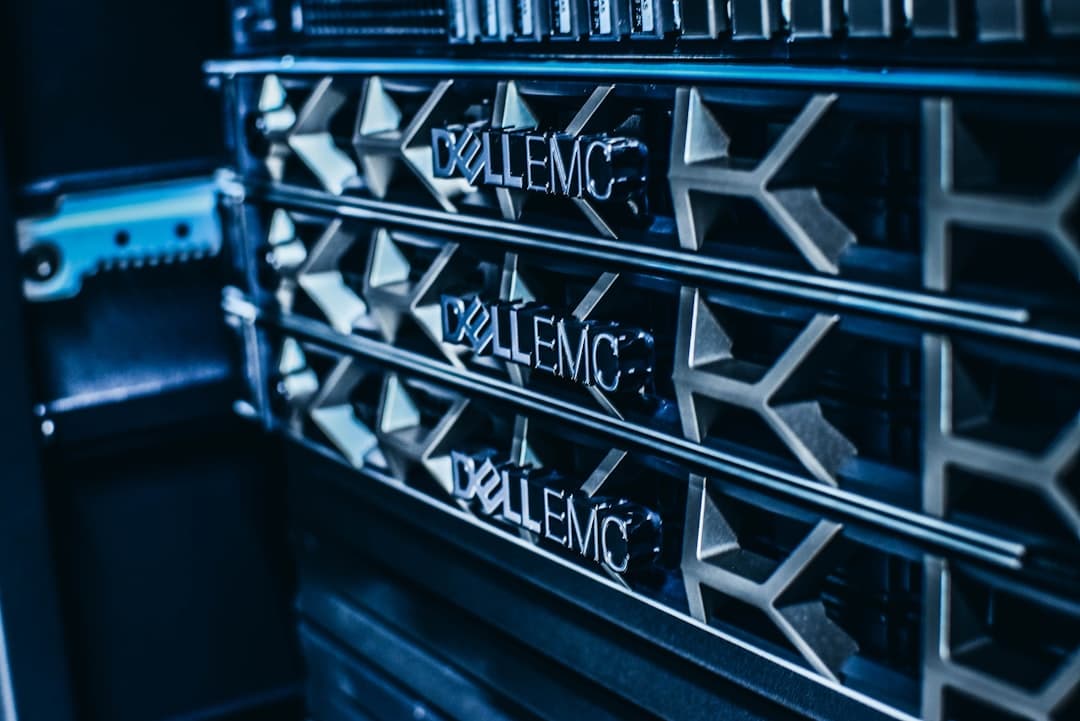
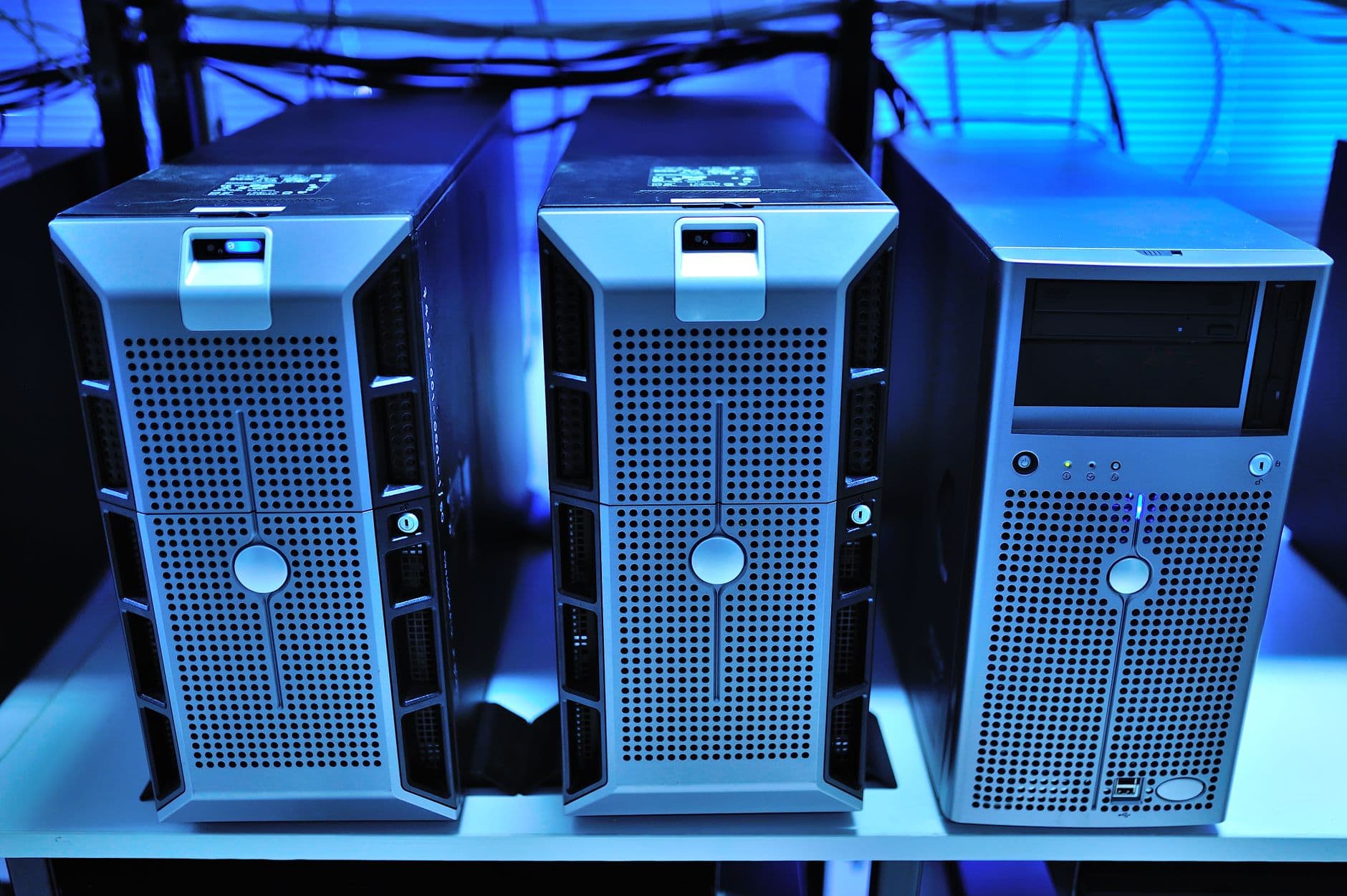
Dell, meanwhile, is riding the infrastructure wave. The company's revenue rose 88% to $43.84 billion in its first fiscal quarter, handily beating analysts' estimates, with adjusted EPS of $4.86 topping estimates of $2.94.
Dell booked $24.4 billion in AI orders and recognized $16.1 billion of AI server revenue—a 757% increase year over year.
The company now expects AI server revenue of roughly $60 billion for fiscal 2027, up from its prior expectations of $50 billion. Dell shares jumped 39% in extended trading after the results.