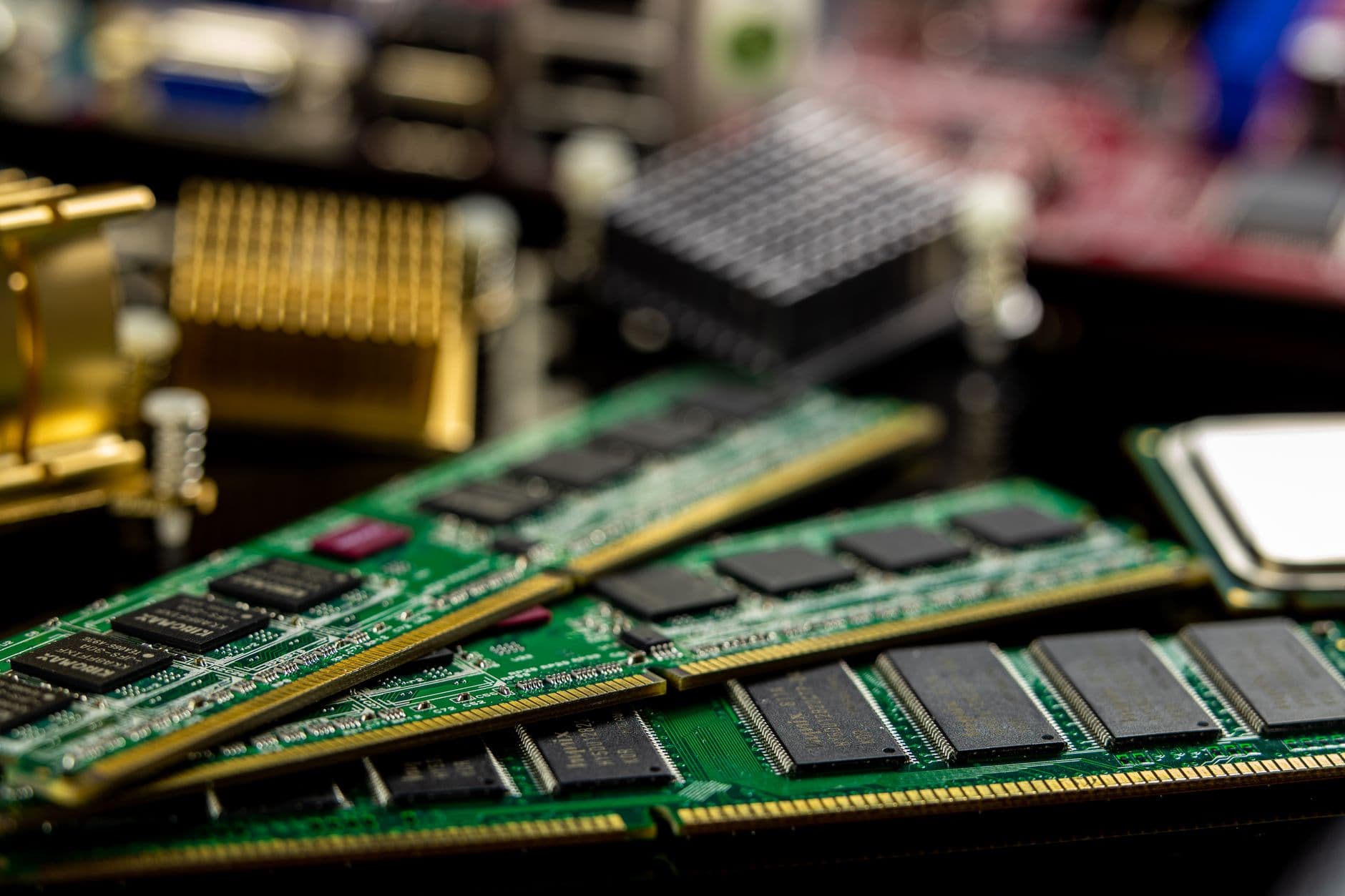
Samsung and SK Hynix produce roughly 70% of the world's high-bandwidth memory —the specialized chips that feed data to AI accelerators at speeds conventional DRAM cannot match. Nvidia CEO Jensen Huang arrived in Seoul on Friday promising "some surprises" for South Korea , according to Reuters. His four-day visit includes a grilled pork belly dinner with executives from Samsung, SK, Hyundai, and LG, plus a ceremonial first pitch at a baseball game —the kind of charm offensive reserved for partners you cannot afford to lose. Huang has met SK Group Chairman Chey at least three times in 2026 alone , TechTimes reported. The frequency is no accident. HBM is sold out through 2026, with allocations for 2027 already being negotiated , according to industry analysts.
The dynamic is simple: a GPU waiting for data is wasted hardware . And right now, the companies that control whether GPUs wait or work are not in California—they are in South Korea. SK Hynix topped $1 trillion in market value for the first time last month , joining Samsung and Micron in an AI-driven rally that has made memory manufacturers some of the biggest winners of the compute buildout. Huang confirmed at his GTC Taipei keynote on June 1 that Samsung, SK Hynix, and Micron all supply HBM4 memory for Nvidia's Vera Rubin platform, sending Korean tech stocks surging—Samsung closed up 10.1% at a record, LG Electronics gained nearly 30% .
Why Is Memory the Bottleneck Now?
As AI model sizes have grown from millions to billions to trillions of parameters and context windows have expanded from thousands of tokens to tens of millions, memory requirements have increased in step , Fortune noted. Nvidia's recently released B300 uses eight HBM chips, each of which is a stack of 12 DRAM dies —96 dies per GPU. A fully configured DGX B300 system with eight GPUs requires 768 DRAM dies just for the HBM modules alone, not counting system memory . Multiply that by the millions of GPUs hyperscalers are deploying, and the scale becomes staggering.
A single silicon wafer provides three times as much commodity DRAM as HBM, and fab processing time for HBM is significantly longer, making the supply problem worse—producing more HBM equates to fewer total memory chips produced . Samsung, SK Hynix, and Micron—the three companies that control over 95% of global DRAM production—have systematically reallocated manufacturing capacity toward HBM chips, leaving consumer-grade DRAM and NAND flash in critically short supply , according to IDC. HBM is the most profitable, and the three big players have reallocated capacity toward it at the expense of everything else—servers now account for 60%-70% of memory demand, up from around 30% before the AI boom , analysts at Jefferies reported.
The economics are brutal for anyone not building AI infrastructure. DRAM prices have risen 80 to 90 percent so far this quarter , according to Counterpoint Research. Dell's COO Jeff Clarke said he's "never seen memory-chip costs rise this fast," while HP's CEO stated that memory costs were affecting margin on consumer systems . Memory now accounts for about 20% of the hardware costs of a laptop, up from between 10% and 18% in the first half of 2025 , TrendForce analyst Avril Wu told CNBC.
Can Fabs Catch Up With Demand?
Not quickly. With new fabs costing $15 billion or more, firms are extremely reluctant to expand—and building such a fab and getting it up and running can take 18 months or more, practically ensuring that new capacity arrives well past the initial surge in demand , according to storage expert Thomas Coughlin. The fabs that would meaningfully expand DRAM and NAND supply are not scheduled to come online until 2027 at the earliest, and even then, priority will remain with HBM and enterprise products .
Meanwhile, the capital flowing into AI data centers is accelerating. Amazon, Microsoft, Alphabet, and Meta alone are expected to spend roughly $725 billion combined on AI infrastructure in 2026 . McKinsey estimates global spending on data centers could reach $7 trillion by 2030 . US Census Bureau data shows private data-center construction reached a seasonally adjusted annual rate of $50.7 billion in April 2026, up 28.1% year-on-year —a pace that now exceeds conventional office building construction.
TSMC's 2nm capacity has reached approximately 90,000 to 100,000 wafers per month across its Taiwan facilities, and both plants are completely sold out for the year , according to industry reports. TSMC's 3nm monthly capacity is highly likely to reach the 180,000–200,000 wafer range by the end of 2026 , driven by orders from Nvidia, Apple, Qualcomm, MediaTek, and Intel. TSMC's board approved capital appropriations of approximately $31.3 billion in May, primarily for installation of advanced technology capacity and fab construction, plus a capital injection of not more than $20 billion to TSMC Arizona .