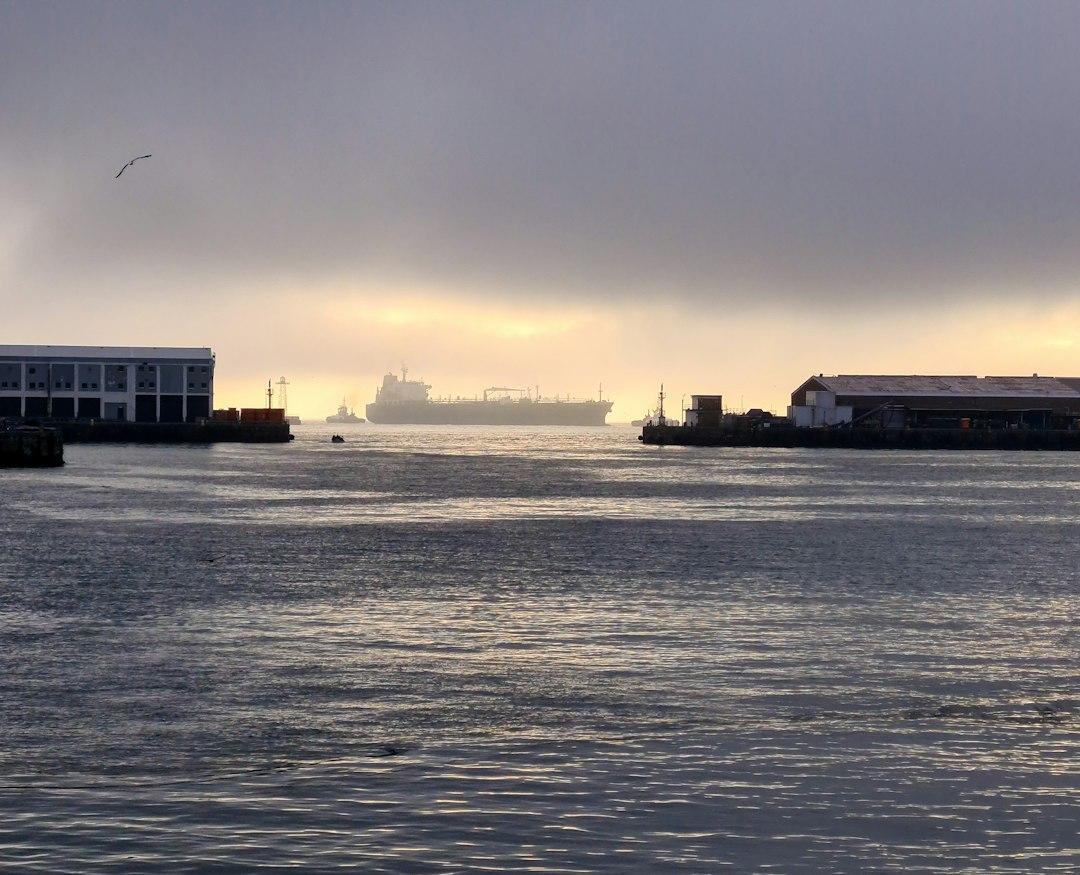
The oil market is filling up. It is just filling up in the wrong place.
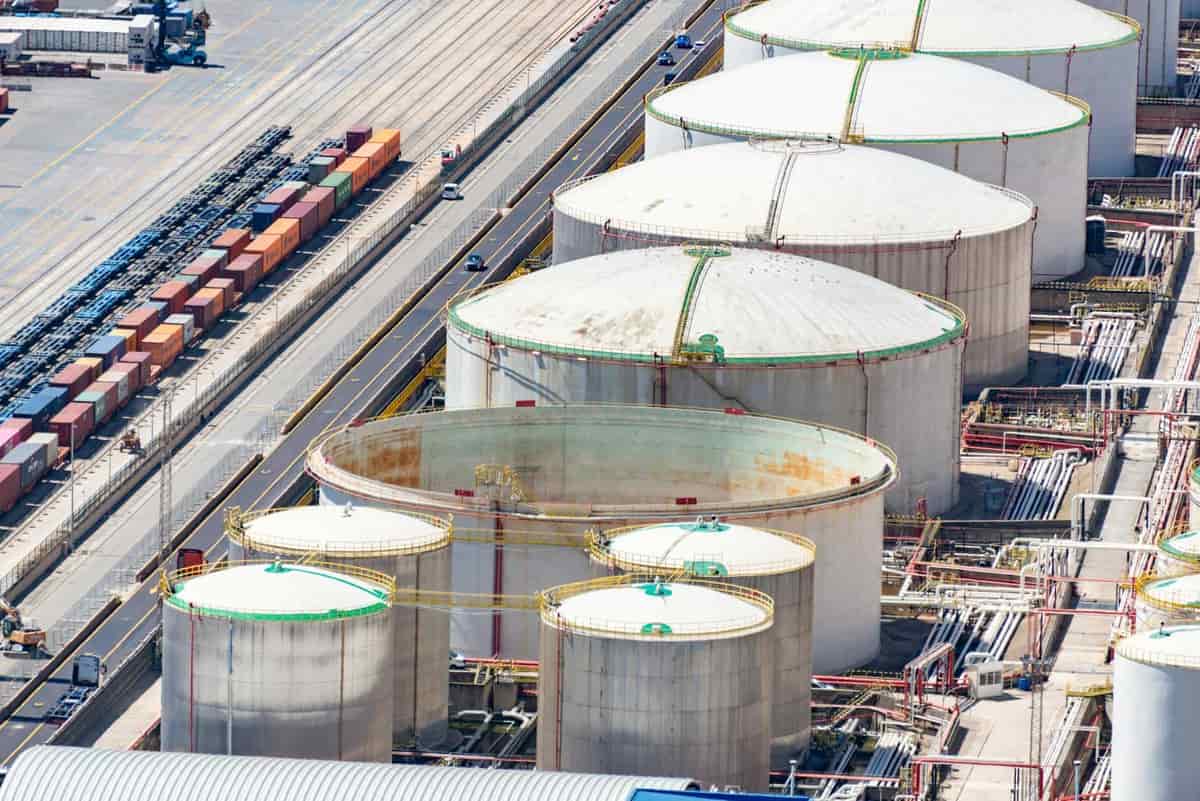
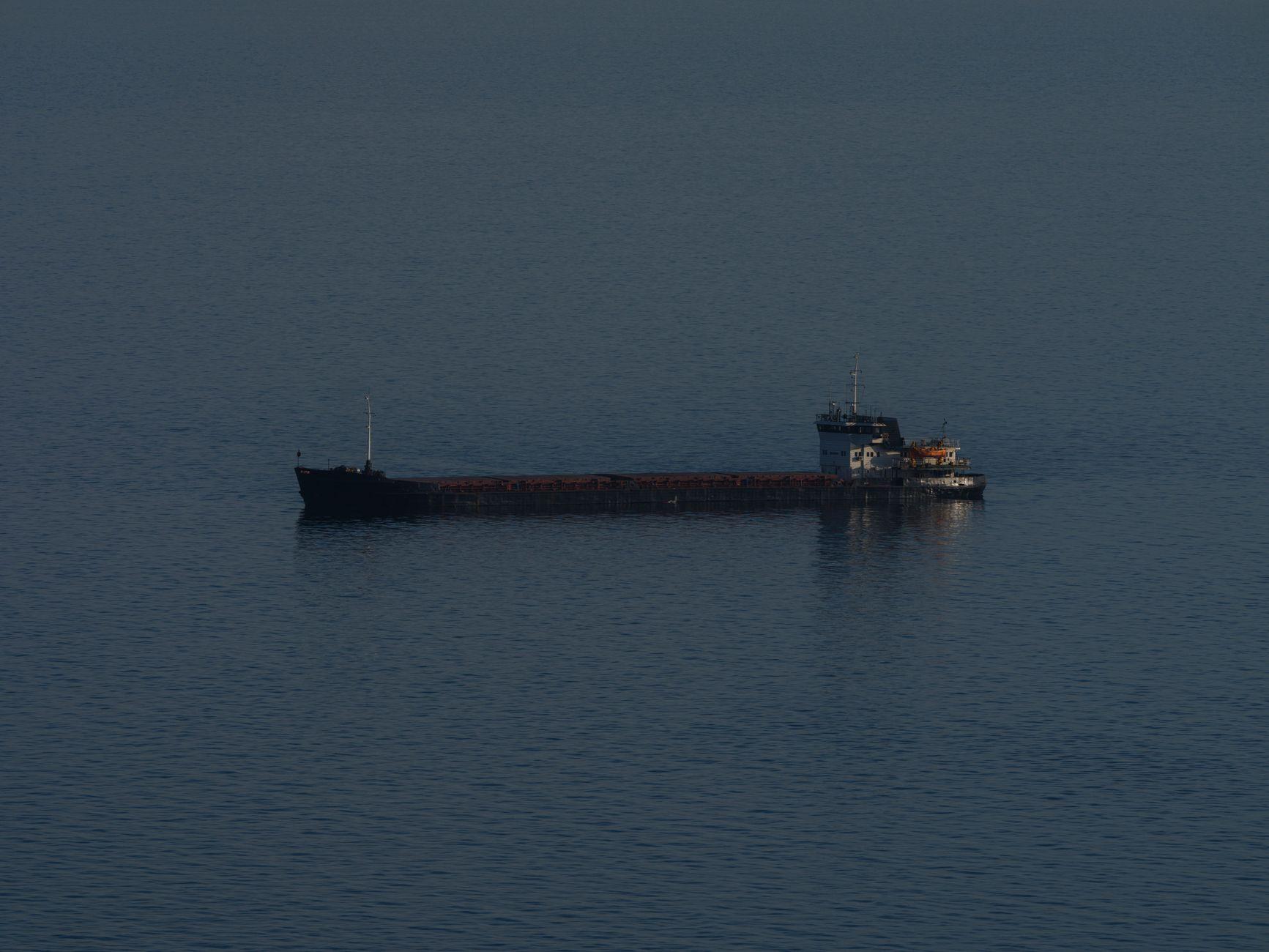
Observed global inventories rose by 52 million bbl in October, the first monthly increase since June, and the build was largely driven by oil on water, which rose by 86 million bbl to its highest level since January, the International Energy Agency said in its Nov. 13 report, as relayed by Oil & Gas Journal. Inventories held on land kept falling. They sit at their lowest level since at least 2016. Since the war began, observed global stocks have fallen by a cumulative 462 million bbl.
That gap between floating oil and stored oil is the story. The IEA says global supply rose 2.3 million b/d to 105.4 million b/d in October, after a 3 million-b/d gain in September. The Wall Street Journal, via Yahoo Finance, reported that the agency projects an oversupply of 1.7 million barrels a day in the fourth quarter, widening to about 3.8 million barrels a day next year. The market has priced the direction. North Sea Dated fell 32% from an early-October high of $136/bbl to about $93/bbl at the time of the report, though it still sits $22/bbl above prewar levels. The surplus has not yet been tested by storage tanks, quota talks or the buyers who must take the crude.
Recovery by workaround
Gulf exports excluding Oman reached 18.4 million b/d in October, about 26% below prewar levels, the IEA said. Reuters reported that the recovery leaned on ship-to-ship transfers and "dark crossings," where tankers switch off tracking signals, even as attacks on ships continued. UOB analysts told clients that Iran's attacks on tankers in the Strait of Hormuz are "running at roughly one incident per day in November."
Freight shows how fast the fear drained. Supertanker rates from the Gulf of Oman to China fell to about 308 on the Worldscale basis on November 13, down 64% from the record 841 set on October 8, Baltic Exchange data showed in a Reuters story carried by Hydrocarbon Processing. Vortexa's Ioannis Papadimitriou said ships are freeing up as they discharge in East Asia: "As more tonnage is freed up, rates come under downward pressure." Arrow Shipbroking's Delia He cautioned that the slide reflects "an exaggerated unwinding of the geopolitical risk premium," and so is only partly driven by fundamentals.
Which brings the risk back. The Houthis fired missiles at Riyadh on Thursday and threatened Jeddah and other Red Sea ports, Reuters reported. In the same Reuters coverage carried by MarineLink, BNP Paribas strategist Aldo Spanjer put the bet plainly: "The prices are correct if you believe that this geopolitical risk doesn't come back," He added: "I probably see a rebound."
Brent for January delivery settled at $92.57 on Friday, Yahoo Finance relayed from the Wall Street Journal, a 3.4% loss on the week. WTI for December settled at $83.98. Both benchmarks have now fallen three weeks running.
The first test: Riyadh's baseline
The most concrete test is a spreadsheet. OPEC held an online meeting on November 16 on its review of the maximum sustainable production capacity of its members and the wider OPEC+ group. Secretary General Haitham Al Ghais called it a "historic milestone," the first time capacity levels were set through a process involving outside consultants. Reuters reported the review is central to setting quotas for 2027 and beyond, because capacity estimates carry heavy weight in the haggling over who may pump what. The same wire reported in October that the war had delayed the review by disrupting expansion plans in parts of the Middle East.
Saudi Arabia is the country to watch. Joint Organizations Data Initiative data, as reported by Oil & Gas 360, show Saudi crude exports reached 5.379 million barrels per day in September, from roughly 4.45 million in August. That was the highest since February, yet shipments remained about 1.1 million barrels per day below their year-earlier level. Production rose about 34% to 8.37 million barrels per day from 6.24 million. The kingdom has leaned on its East-West pipeline to Red Sea facilities including Yanbu while still loading at Gulf terminals.
Quota logic arrives with the cuts still in place. The seven OPEC+ members finished unwinding a 1.65 million-barrel-per-day cut in September, Rallies reported, while another layer of about 2 million barrels per day covers most members through the end of 2026. A generous baseline for a Gulf producer, set just as the market tips into oversupply, would turn a spreadsheet into a price argument.