Sunday, October 11, 2026Vol. III · No. 284Subscribe
The Mining, Energy & Technology Wire
Renewables · Analysis

Building Wind Was the Easy Part

Britain set a wind record in September and power prices still climbed sharply. The gas shock shows the real bottlenecks are pricing rules, wires and storage, and the US is making one corner of this harder.

Building Wind Was the Easy Part
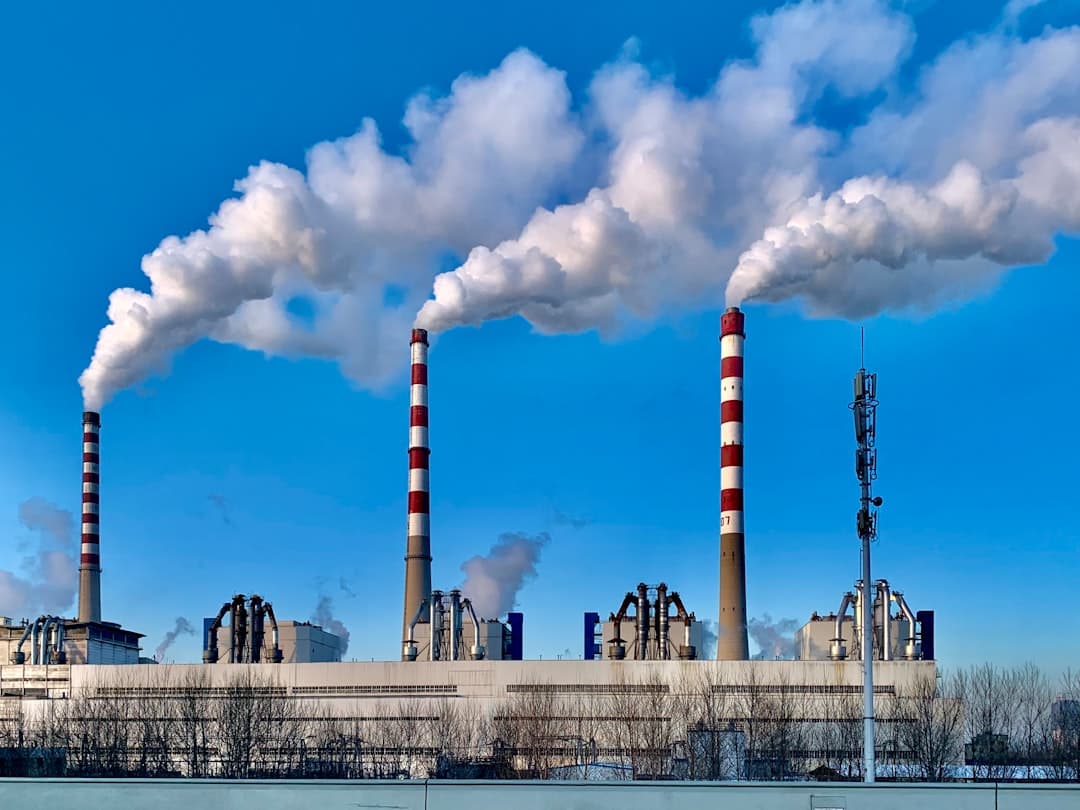
PhotographBritain set a wind record in September and power prices still climbed sharply. The gas shock shows the real bottlenecks are pricing rules, wires and storage, and the US is making one corner of this harder.Photo: Valomukitse Arva-Zika / Unsplash

British wind turbines generated 6.62 terawatt-hours in September, a record for the month, Bloomberg reported. Gas-fired generation fell to its lowest September level on record. Day-ahead power rates were still far above where they stood a year earlier.

That is the argument of this piece. The Hormuz gas shock has shown that building wind and solar is necessary but not sufficient. The binding constraints are the rules that set prices, the wires that move power and the batteries that shift it in time. Britain, India and Hungary are now spending on those constraints. Washington is making one slice of the build-out harder to finance.

The marginal price problem

Bloomberg's account explains the paradox. Britain runs a marginal pricing system, in which the most expensive generator needed to meet demand sets the price for that period. Gas is usually that generator. In September, day-ahead prices averaged £135.39 per megawatt-hour on Epex Spot. In the 10% of hours with the highest gas generation, rates averaged about £184, roughly 42% more than the rest of the month, by Bloomberg's calculations. Bloomberg Economics, in an analysis published in September, forecast that UK energy bills would jump by about 25% in January as gas disruptions continue.

The wind was there. Output in the first nine months ran 14% above the previous record for the period, NESO data showed, and overall renewable generation was about 15% above its previous high. The turbines worked. The pricing rule did not pass the benefit through.

Ember's remedy is to take generation out of the marginal auction. Its analysis found 15% of British power already de-linked from the gas price, through 10 GW of operational renewables under Contracts for Difference. These contracts pay a fixed price. Ember forecasts that 36% of generation will be priced independently of gas by 2030. The 2025 auctions cleared at £65/MWh for solar and £91.20/MWh for offshore wind. Ember noted that offshore wind is now similar to the pre-crisis average cost of gas power in 2026, which was £89.30/MWh in January and February.

The gap that matters is in the market. Ember found that in 2025, hours with gas below 20% of the mix averaged £60/MWh. Hours where gas supplied more than 50% averaged £130/MWh. Price follows the marginal fuel, not the average one.

Wires before windmills

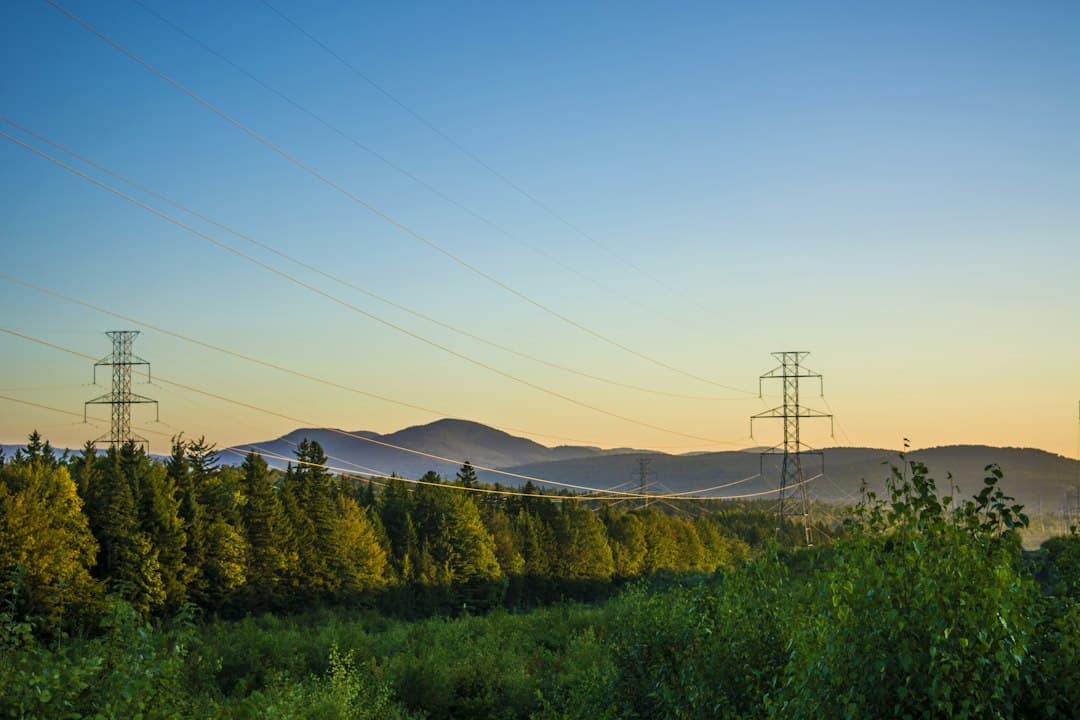
India is spending on the other constraint. Its Union Cabinet, chaired by Prime Minister Narendra Modi, approved the ₹1.86 trillion Green Energy Corridor Phase-III, Business Standard reported. The scheme funds intra-state transmission paired with battery storage. Its stated aim is to address intermittency, congestion, peak-hour curtailment and demand in non-solar hours. Business Standard described the principle behind it plainly: transmission must precede renewable generation.

The scale of the gap explains the order. India's renewable capacity, including large hydro, reached about 295.55 GW as of August 31, 2026, according to the Ministry of New and Renewable Energy via ESG Times. The country crossed 300 GW of non-fossil capacity in July 2026. The Central Electricity Authority's national plan projects a need for around 208 GWh of battery storage by 2030. The central support in the new scheme is ₹54,082 crore, including Rs 6,000 crore of viability-gap funding for batteries. Capacity is racing ahead of the grid that must carry it.

Hungary arrives at the same place from fear. Prime Minister Peter Magyar's government plans a major renewables drive to curb import needs and cut electricity prices for companies, Reuters reported from Budapest on Oct 8. Hungary imports more than 80% of its fuel needs, a dependence S&P Global called a key vulnerability. A drought also pushed the Paks nuclear plant to the brink of shutdown in August. Energy Affairs State Secretary Andras Totth was blunt: "We are entirely exposed to geopolitical shocks. Therefore, the Hungarian energy system is a competitive disadvantage for the Hungarian economy."

The cabinet launched a tender in August for 700 MW of wind, aiming for 4 GW by 2030, which Reuters described as a major shift from Viktor Orban's policies. Totth said wind could exceed 6 GW by 2040.
Washington moves the other way

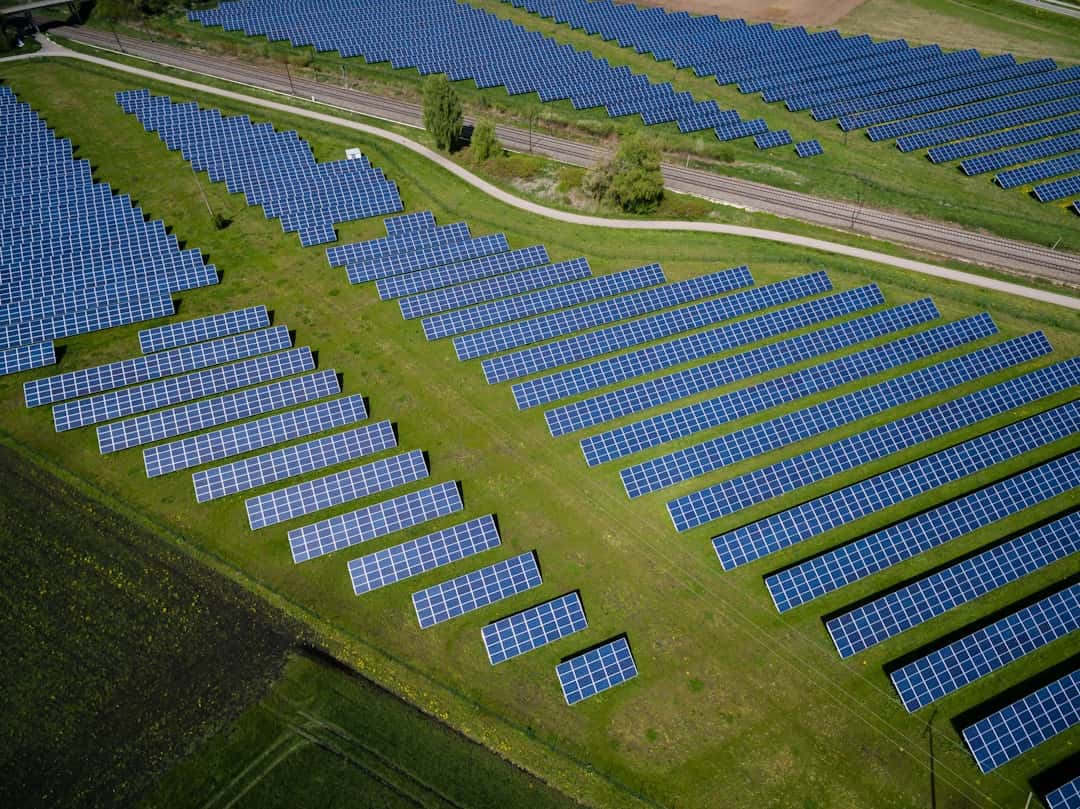
The US is tightening the screws on exactly the kind of project that cuts a farmer's exposure to grid prices. The Federal Register shows USDA published a final Rural Energy for America Program rule that takes effect October 16, 2026. Projects must be built and operating before the applicant applies. Canary Media reported that farmers must wait a year after the array is running to apply, whereas awards used to come before construction began. Grants are now capped well below what Inflation Reduction Act-era rules allowed.

The rule also bars solar and wind on cropland and bans components from named foreign adversaries. USDA's stated rationale is that large ground-mount arrays were inflating land prices and displacing productive cropland. A USDA spokesperson told Reuters the changes "are intended to help the program pay for actual production and results of projects, not just projections."

Solar has the most to lose. Most REAP grants have historically gone to solar, Canary Media reported. The National Sustainable Agriculture Coalition said the program has helped fund more than 19,000 projects. NSAC's Richa Patel told Reuters: "For a lot of farmers, that just simply won't be possible, especially with these times already being so financially uncertain." A handful of farmers and developers sued three days before the rules were announced. Comment runs through Nov. 2, but the rules take effect before it closes.

The objection

The objection is that Britain's September proves the opposite. More wind did cut gas burn, and Ember's data shows the cheapest hours are the ones when gas is scarce on the system. Build more, the argument goes, and the price problem solves itself.

It does, but only at the margin, and the margin is where the bills are set. Heavy wind output did not stop the gas-heavy hours from setting the price. Only contracts and storage change that, which is why Ember counts the contracted share rather than the installed one. Nor is the US case an argument against building. The EIA reports that operators added 8.3 GW of batteries in the first half of 2026, after 43.6 GW by the end of 2025, reaching nearly 52 GW. Growth has averaged 70% a year over three years, and operators plan another 54 GW over the next two and a half years. Storage can capture the spread between cheap and dear hours, as the EIA noted. Capital is following that logic even as the farm-energy rule squeezes on-site solar.

Markets have noticed the split. Market data show the Invesco Solar ETF (TAN) at $43.75 this month against $43.63 in September 2025, a gain of 0.3% over the span. The Energy Select ETF (XLE) is up 45.7% over the same stretch, from $44.67 to $65.08.

What follows

If this read is right, the next gas shock will be priced by market design, not by installed megawatts. Countries that spent the year on contracts, transmission and batteries will pass less of it to customers. Wind blows for free. What a grid pays for it is a rule somebody wrote.

Original reporting and analysis by the Stake & Paper editorial team. See linked sources within the article.

Share this story

More from Stake & Paper

Was this article helpful?

ClaimWatch

Mining claims intelligence — from query to report, in minutes.

Every unpatented mining claim across all twelve BLM states. Leadfile audits, due diligence, site selection, regional prospecting, entity investigations, and AOI monitoring — delivered as complete report packages.

4.4M+
Claims Tracked
12
BLM States
7
Report Types
Request a Sample Report
Stake & Paper AM

One morning brief. The whole energy sector.

Original analysis, the day's most important wire stories, and market data — delivered before your first cup of coffee. Free.