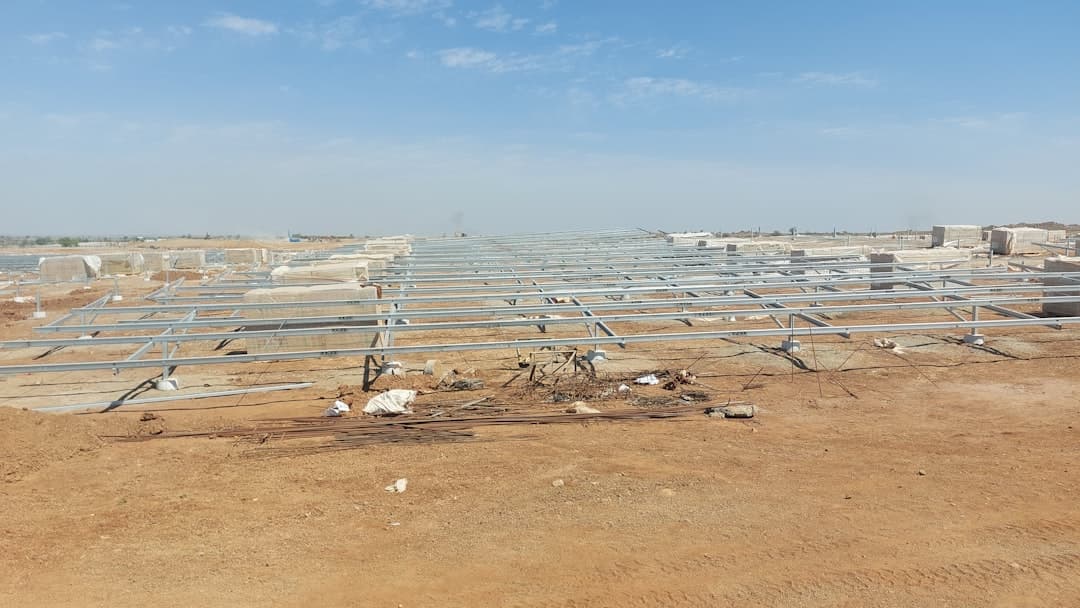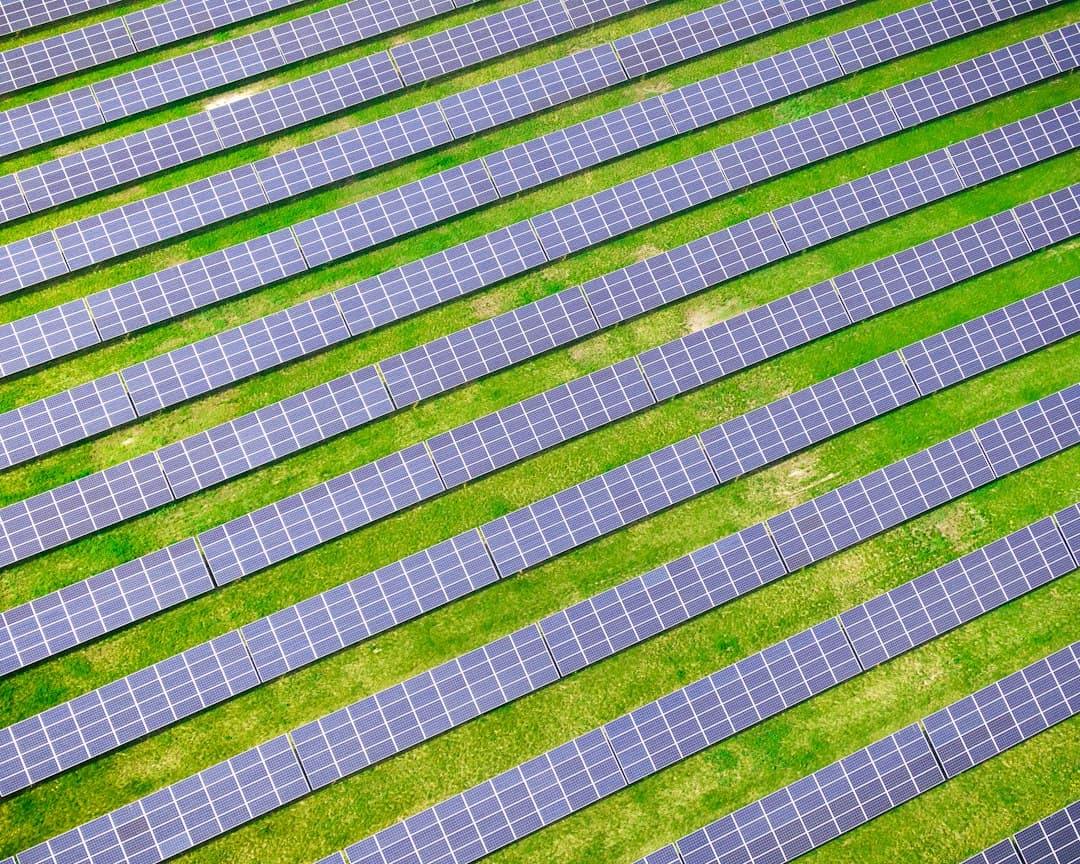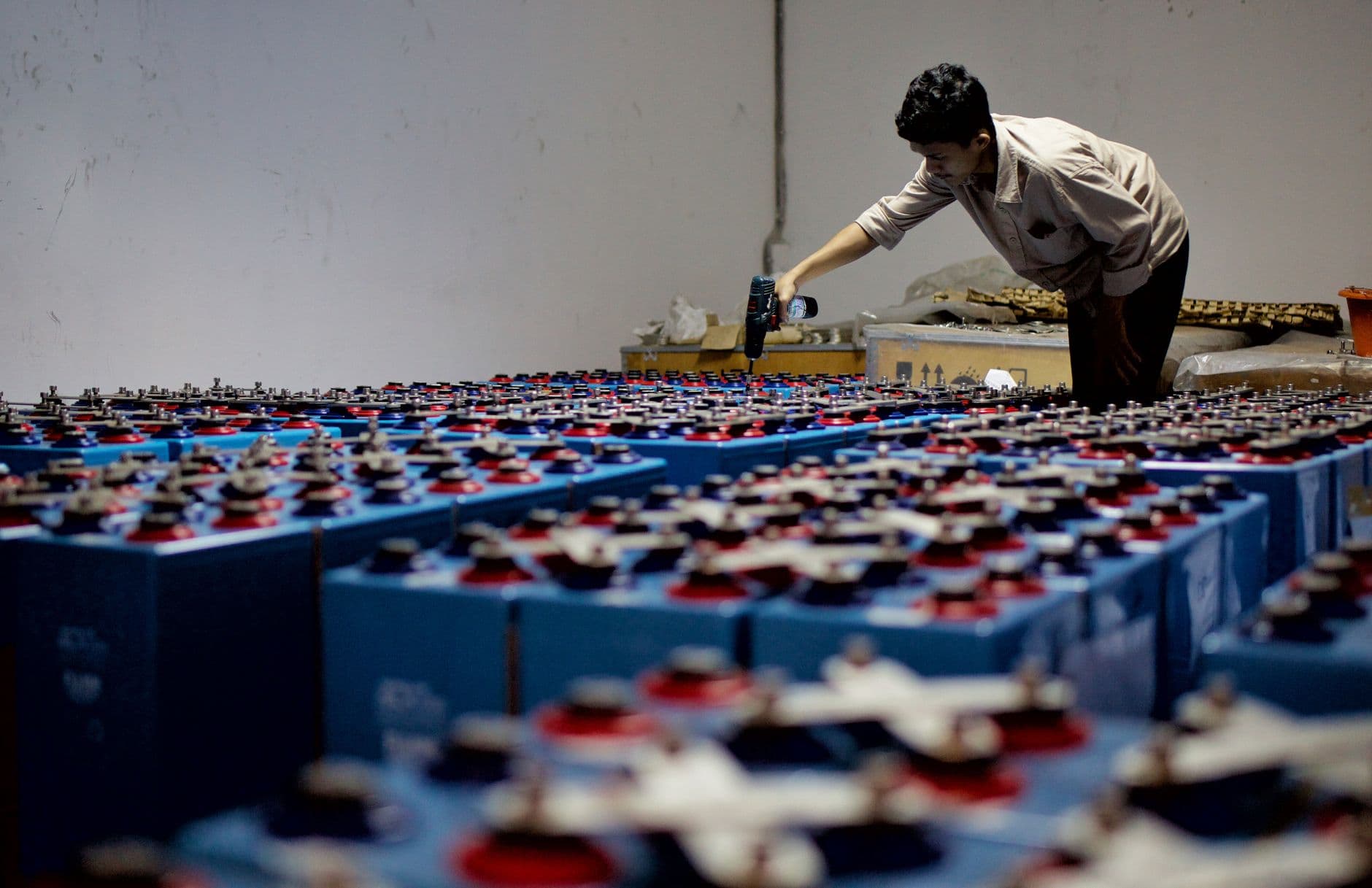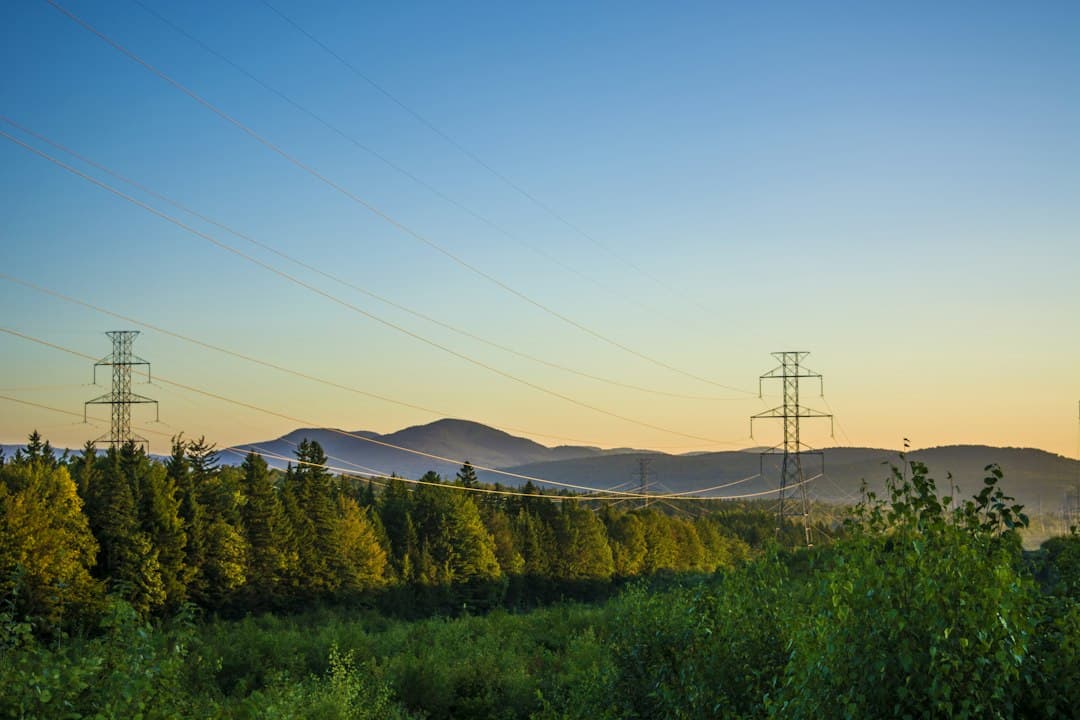
India's cabinet committed ₹1.86 lakh crore ($19.42 billion) this week to things you cannot photograph from a drone: wires and batteries. The PM-DHARA programme, approved on September 30, pairs the third phase of the Green Energy Corridor with support for 50 GWh of battery storage, according to Esgtimes.
Spending on grid and storage rather than panels and turbines is the tell. In New Delhi, Washington and the boardroom of a British utility, the scarce resource in clean power has shifted from generation to the machinery around it: the lines that carry power, the permits that allow those lines to exist, and the patents that protect the technology at the end of them.
India builds the pipes
PM-DHARA's largest component, ₹1,36,378 crore, will strengthen intra-state transmission systems built to evacuate up to 135 GW of renewable energy, ESG Times reports. A further ₹50,000 crore is earmarked for the 50 GWh of battery systems. The government says the storage money targets intermittency, transmission congestion and peak-hour curtailment, and is meant to help meet demand in non-solar hours.
The generation side is not the problem. India's renewable capacity, including large hydro, reached roughly 295.55 GW as of August 31, 2026, with solar at 168.04 GW and wind at around 58.52 GW, per the Ministry of New and Renewable Energy. Government data show the country crossed 300 GW of non-fossil capacity in July 2026, against a target of 500 GW by 2030. The Central Electricity Authority's National Electricity Plan projects a need for around 208 GWh of battery storage by 2030. ESG Times puts the shift plainly: the challenge is moving from adding capacity to making sure renewable electricity can be transmitted, stored and dispatched when required.
Washington's permit problem
The same diagnosis drives the Senate's new deal, though the politics are messier. Senators from both parties said on Wednesday, Sept. 30, 2026, that they had reached an agreement to speed permitting reviews for energy and infrastructure projects that now face yearslong delays, the Associated Press reported via KSAT. The bill, BAAJA, was written by Shelley Moore Capito, Martin Heinrich, Mike Lee and Sheldon Whitehouse, who call themselves the "Four Corners," Heatmap reports.
Its transmission provisions are the most striking. Developers could take a line to FERC at the same time they propose it to local governments, and if a state has not approved a project within a year, FERC must step in and approve it should it find the line in the national interest, per Heatmap. The need is plain in Heatmap's figures. The Department of Energy estimates that the country must expand its long-distance transmission capacity by 2035 just to meet rising demand, yet in 2023, 90% of nationwide transmission spending went to lower-voltage reliability upgrades, according to Brattle Group data collected by RMI.
Lee, who chairs the Senate Energy Committee, framed the deal in builder's terms. "We're motivated by one central shared concern: we want to make it easier in America to build things." he told reporters, in remarks relayed by Mining Weekly.
The bill reaches well beyond wires. A "permitting certainty" provision covers at least 46 kinds of projects, Heatmap reports, from renewables and battery storage to pipelines, mines and export terminals. Data centers would have to pay for all transmission costs tied to them, AP reported, so the bills do not land on families or businesses. Agencies would have to finish major reviews within one to two years, according to Reuters as carried by Mining Weekly.
The deal is fragile. Reuters reported that no Senate vote will come before the November 3 midterms, and Capito said the "goal" is for the bill to be the first vote after the Senate returns. Heatmap notes that 60 votes will be needed to beat the filibuster. The House, which has not passed the bill, is in recess until after the election. And the wind question lingers: talks stalled in December when President Donald Trump paused five nearly finished East Coast offshore wind farms, and the projects resumed only after federal judges intervened. Trump has since offered to ease his holdup, but AP noted it was unclear how long that offer would last. Whitehouse said lawmakers still need clarity on "the question of returning to regular order for wind and solar projects" from the administration.