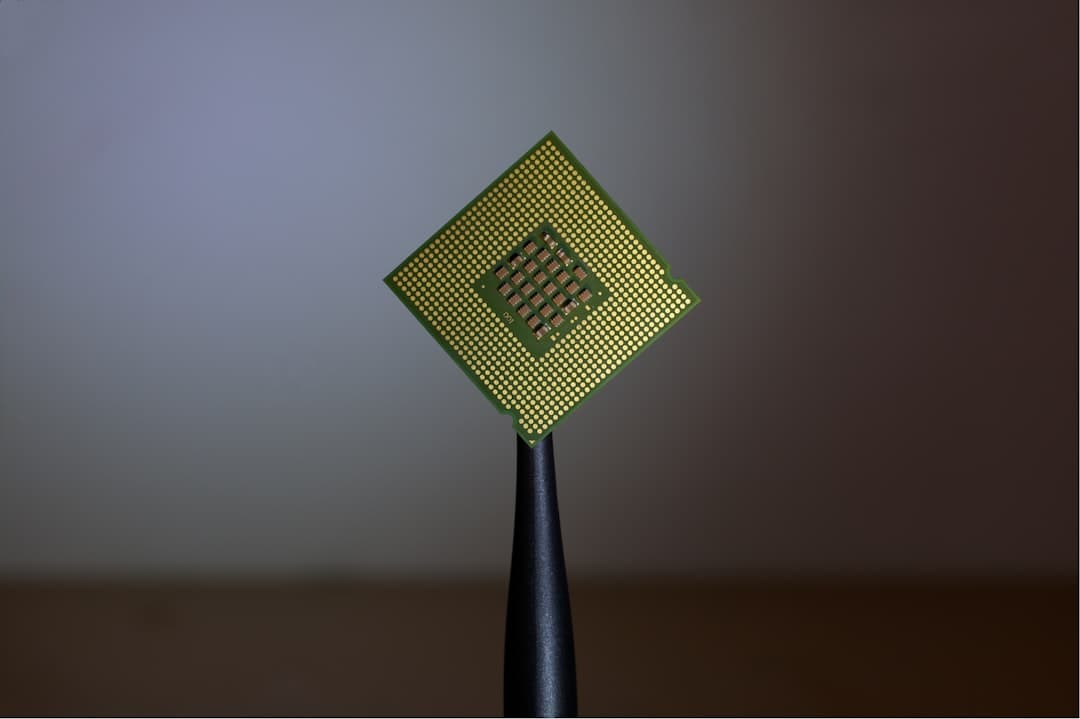
Nvidia lost roughly 3% of its value on Monday because a rival company's chief executive wrote an essay. Micron, Intel, Marvell and Applied Materials each fell more than 4%. SK Hynix dropped 7% in U.S. trading, and the neocloud operator CoreWeave shed about the same, according to CNBC. The offending document came from Anthropic's Dario Amodei, who argued over the weekend that AI labs should deliberately slow their pace of capability gains — a call that Sam Altman and Elon Musk both endorsed.
That is the kind of sentence that moves markets and says almost nothing about supply chains. And the gap between those two things — what investors fear on a Monday and what utilities, chipmakers and regulators are actually building — is the real story this week. While chip stocks wobbled, BloombergNEF quietly doubled its forecast for how much natural gas American data centers will burn by 2035. Federal regulators kept a December deadline for writing grid rules around AI's power appetite. And Samsung just wrote a check to a chip startup betting that Nvidia's grip on AI hardware won't last forever. None of that pauses for an essay.
The panic and its limits
The selloff had a specific trigger and, on closer inspection, a narrower meaning than the headlines suggested. Bernstein analyst Madison Rezaei noted that Amodei's proposal centers on minimizing security risks through independent reviewers and safety standard coordination, and "at this point, it's not a call for a lowering of capex or stopping model training." Rezaei's team flagged that a genuine training slowdown would hurt rural, latency-insensitive data center sites hardest, while operators like Equinix and Digital Realty — with the bulk of their capacity concentrated in dense, established metros — sit better insulated, since roughly 95%, 92% and 94% of Equinix, Digital Realty and CyrusOne's existing U.S. capacity respectively sits in Tier 1 and Tier 2 metros.
Digital Realty's own chief executive made the distinction bluntly. Andrew Power told CNBC that the pledges for a slowdown by Anthropic, OpenAI and xAI do not mean "pencils down" for AI and the real estate that supports it. His bigger worry, he said, isn't AI slowing down — it's that AI has been crowding out something else entirely: "There's tremendous digital transformation happening that is not connected to AI... There is tremendous cloud computing growth. Frankly, from my business lens, my seat, I think those demand trends, which are massive drivers of our business, have been stifled in these days of AI." Melius Research's Ben Reitzes was less diplomatic about the AI labs themselves, telling CNBC that "they may be really good at models, but they're not good at talking stocks and what they're doing is freaking the market."
The gas contracts don't read essays
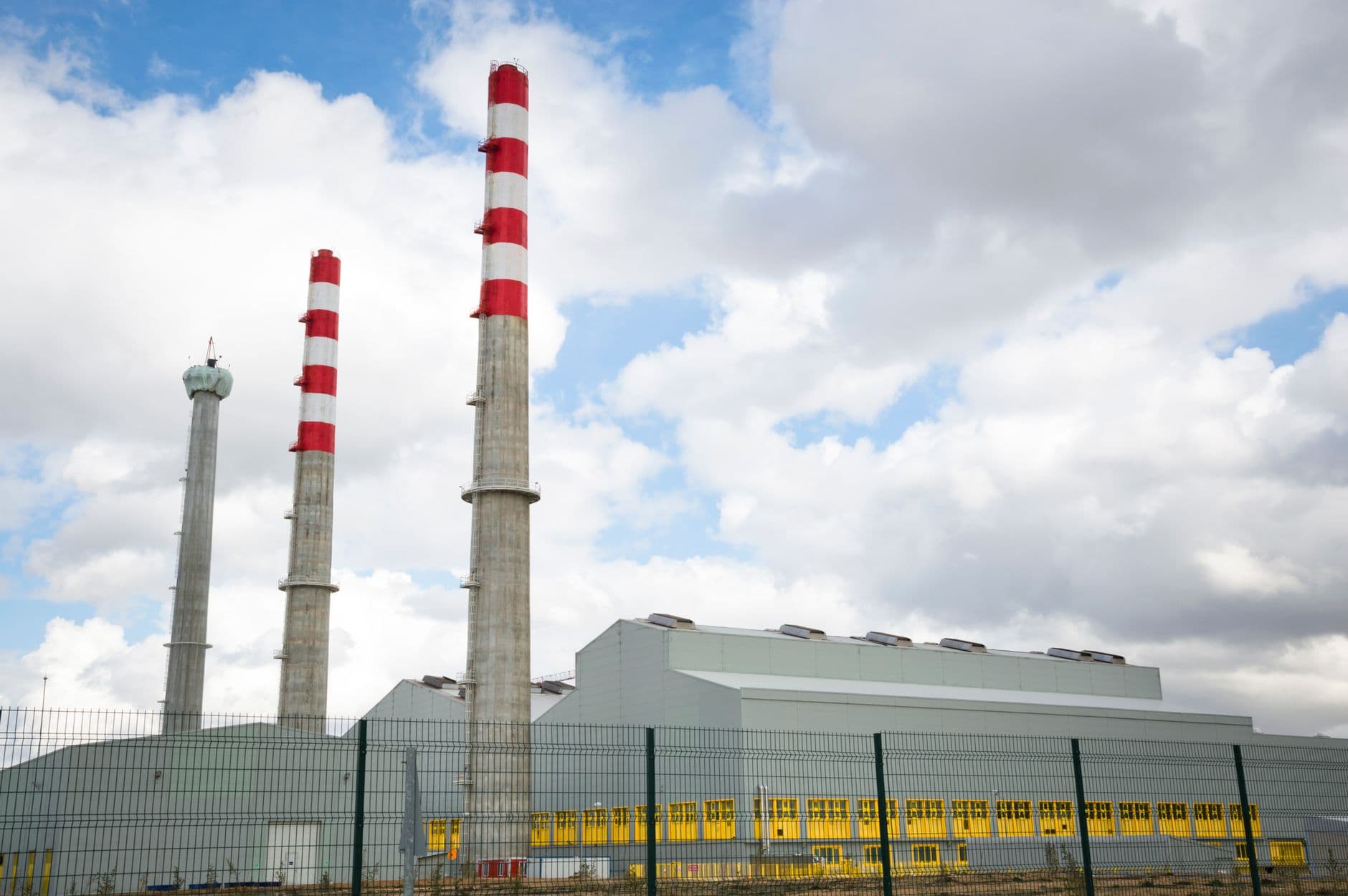
While traders parsed Amodei's caveats, BloombergNEF published a number that outlives any single earnings call. The research arm now expects gas consumption to produce electricity for data centers to grow by 15 billion cubic feet per day in the ten years to 2035, even accounting for many currently planned projects never being built — a figure that is more gas than is currently consumed by all nations except China, Russia, Iran and the US itself. That's not a rounding error: it's more than double BloombergNEF's previous forecast in December of 6.9 billion cubic feet per day. Natural gas is winning that fight for a mundane reason — it's cheap and it can be turned on fast. BloombergNEF expects the fuel to supply 69% of the power needed by new grid-connected facilities, making data centers the second-largest driver of US gas demand in the decade through 2035, just behind the demand growth of new liquefied natural gas export terminals entering service on the US Gulf Coast. Turbine orders and pipeline contracts get signed years in advance. Nobody is unwinding those because a CEO wrote a blog post.
Washington starts writing the grid's AI rulebook
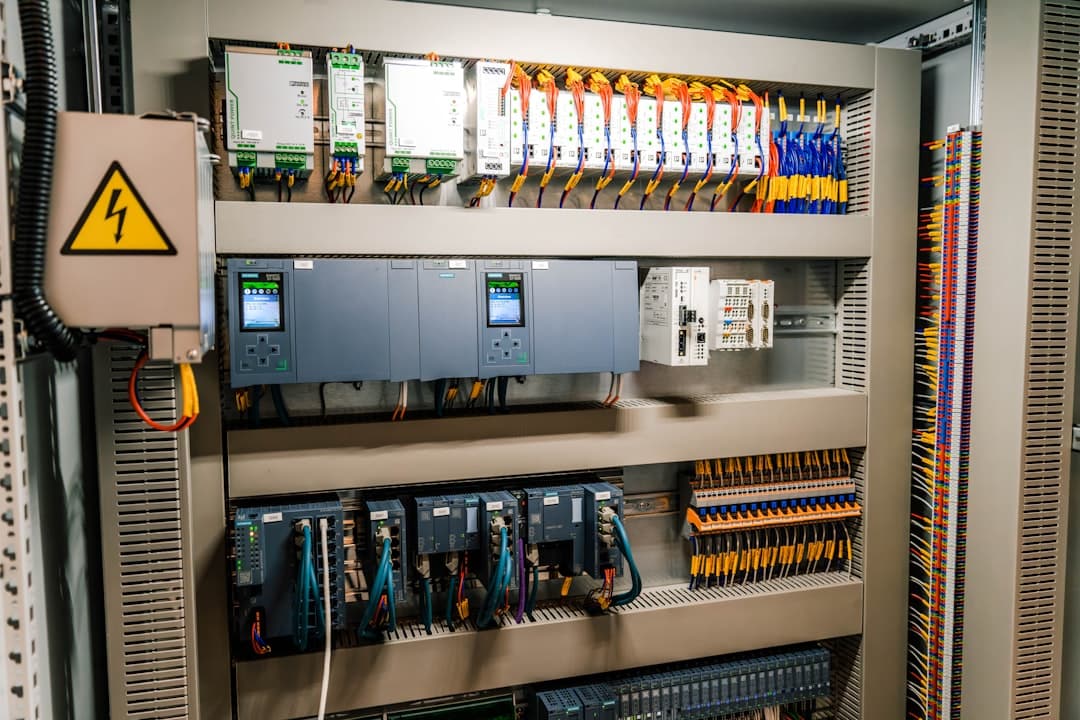
Regulators are moving on the same multi-year clock. In July, the Federal Energy Regulatory Commission ordered NERC to draft mandatory reliability standards for what it calls "computational loads" — a category built explicitly to capture generative-AI data centers, cryptocurrency mines, and other information-technology facilities — with new standards due by December 31 and a further work plan due the following March. FERC Chairman Laura Swett explained the physics driving the urgency: these facilities "have the potential to change their demand almost instantly," and "this rapid fluctuation causes voltage stability issues that threaten grid reliability." That deadline does not move regardless of what happens to Nvidia's stock price this month — it moves because grid operators can't run a system where a single data-center campus can swing hundreds of megawatts in the time it takes to trip a breaker.
Betting against the monopoly, regardless of the mood
Even the chip supply chain is behaving like the AI story is a decade-long build, not a quarterly trade. Dutch startup Euclyd closed a $230 million funding round this week, co-led by Samsung, to build inference chips with an architecture that departs entirely from the GPU, according to CNBC. Founder Bernardo Kastrup said Samsung's value goes well beyond the check: "Samsung can help us in more ways than money. They are one of the biggest memory manufacturers in the world. They do a lot of engineering, they know a lot about systems, they know the supply chain, they have a huge network." Euclyd doesn't expect to ship physical systems until 2028. That's a company, and an investor, planning on a horizon that treats this week's headlines as noise.
None of this means the worriers are wrong to worry. Digital Realty's stock still slumped, memory makers still took a hit, and if the pacing debate hardens into an actual capex freeze, the gas turbines and inference chips built for a boom that didn't arrive will sit as expensive proof of overreach. But contracts for gigawatts of gas-fired power, federal reliability deadlines and half-billion-dollar chip bets aren't decided by a weekend essay — they're decided years before anyone writes one, and unwound just as slowly.