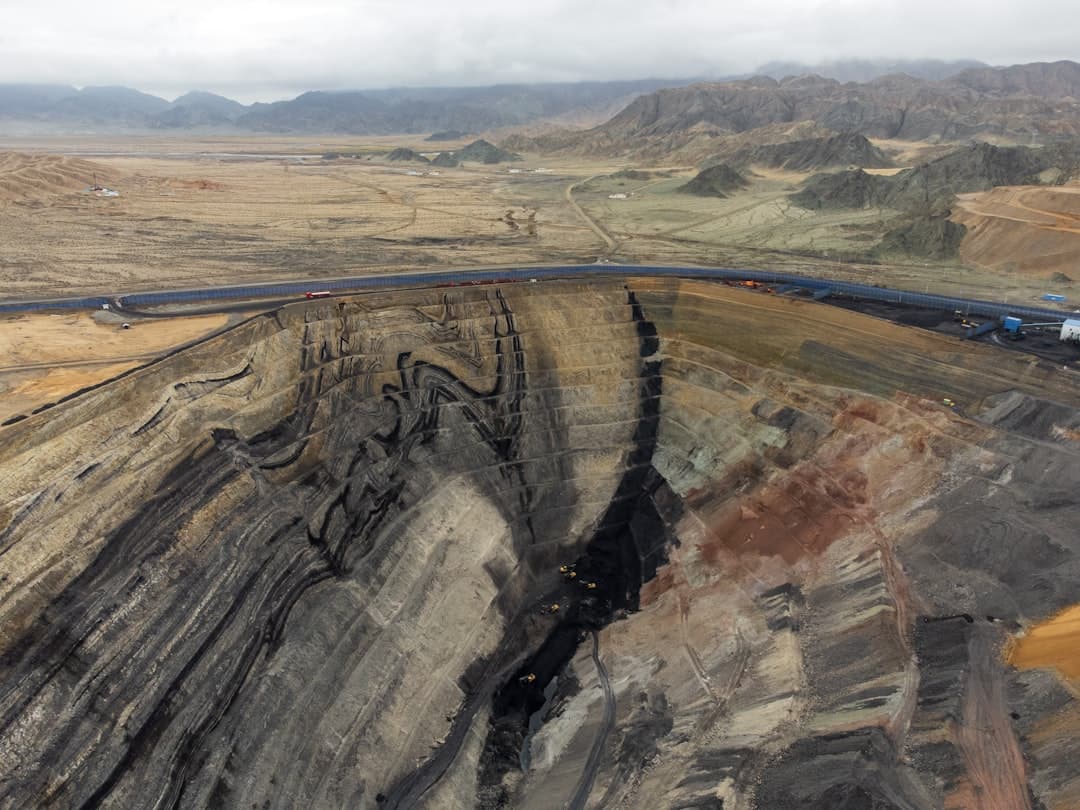
Scores of generations-old farming communities on South Africa's southeast coast are relocating as more than a dozen lithium prospecting licenses granted since 2023 carve up productive agricultural land , Reuters reported Monday. The South Coast Guardians Association says the prospecting threatens 30,000 jobs in farming, labor, and services in a region that produces a million tons of sugar cane and macadamia nuts annually. Albert Mthembu, 62, told Reuters his brick bungalow in Magog now has fissures from mine blasting. He's visited the doctor twice for lung issues. After living there since he was six, he sees no option but to move.
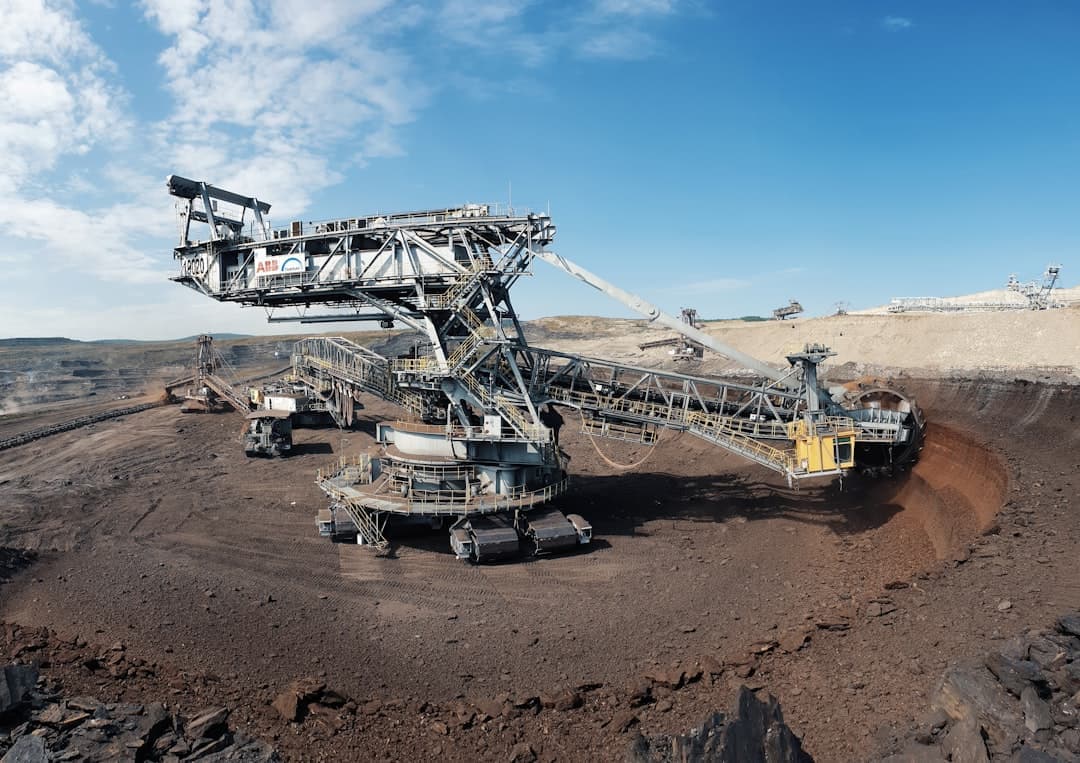
The irony is sharp. A 2024 Breakthrough Institute paper showed coal extracts 1,180 tons of material per gigawatt on average, compared with 59 tons for wind and 45 tons for solar—including all minerals for battery storage . Renewable energy was supposed to be cleaner. But the scramble for lithium, copper, and other battery metals is creating its own casualties, from displaced farmers to ransacked telecommunications infrastructure to geopolitical friction over who controls processing capacity.
Can You Build Clean Energy Without Wrecking Something Else?
The lithium market offers a case study in conflicting imperatives. Lithium traded flat at 140,000 CNY per ton on August 4, down 15.28% over the past month but still 96.63% higher than a year ago , according to Trading Economics. Battery-grade lithium carbonate spot prices have jumped to about $24,086 per metric ton, marking a sharp increase from earlier lows in 2025 after a period of oversupply , Carbon Credits reported in April.
That price volatility is driving two simultaneous trends. First, supply is ramping. Higher lithium prices since the start of the year drove Australian miners to restore operations, with Mineral Resources restarting its Bald Hill lithium mine after an 18-month suspension and Core Lithium restarting its Finniss project , Trading Economics noted. Second, processing is moving downstream. China's Zhejiang Huayou Cobalt plans to set up a lithium carbonate plant in Zimbabwe, as the government pushes investors to build up local processing capacity so the nation can derive greater benefits from its mineral wealth, according to Zimbabwe's mines minister , Bloomberg reported in June. Zimbabwe accounted for about 10% of global mined lithium production last year , according to the U.S. Geological Survey.
The shift matters because battery-grade lithium carbonate commands significantly higher prices per ton than unprocessed concentrate , meaning even modest processing capacity translates into materially improved export revenue. Zimbabwe will ban the export of lithium concentrates from 2027 as it pushes for more local processing , Reuters reported.
Meanwhile, copper—the other critical battery metal—is creating a different kind of problem. Bell says it has seen a surge in copper wire theft across its telecommunications infrastructure in 2026, with thefts increasing by 78% over last year , CBC News reported July 29. In New Brunswick, the problem was growing fastest, with a 235% increase in thefts from 2025 . Thieves target copper because the recycled metal sells for a good price—it's become more valuable as the world becomes more electrified, with the buildout of data centers and making of electric cars helping drive up demand .
The damage is asymmetric. A thief might net $100 for a bundle of wire stripped from a streetlight, but the municipality faces a repair bill of $5,000 or more to replace specialized cabling, fix damaged conduits, and deploy labor , according to industry analysis. As the global price of copper climbed toward $6 per pound in early 2026, theft of telecommunications wiring surged, with each incident costing an average of $8,735 to repair and triggering outages that disrupt 911 systems, hospital communications, and military facilities .
AT&T experienced more than 10,400 copper theft incidents in 2025, with a weekly average of 200 incidents reported nationwide at the end of the year and losses exceeding $82 million—including 4,300 incidents in California alone with losses exceeding $57 million , the company disclosed in April.