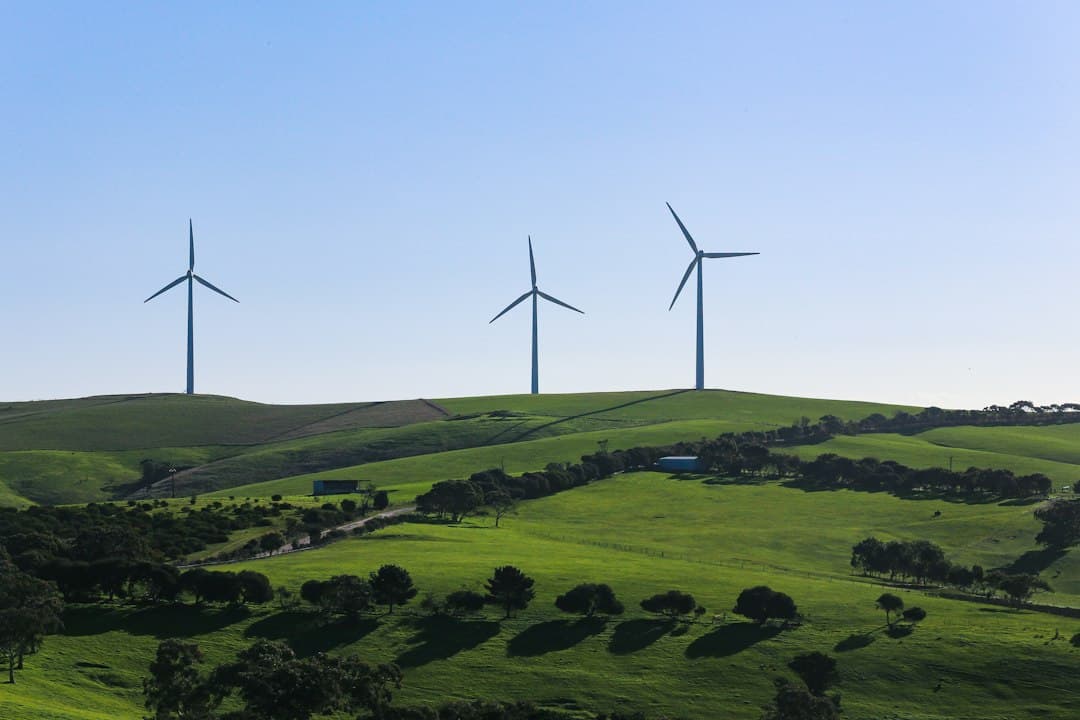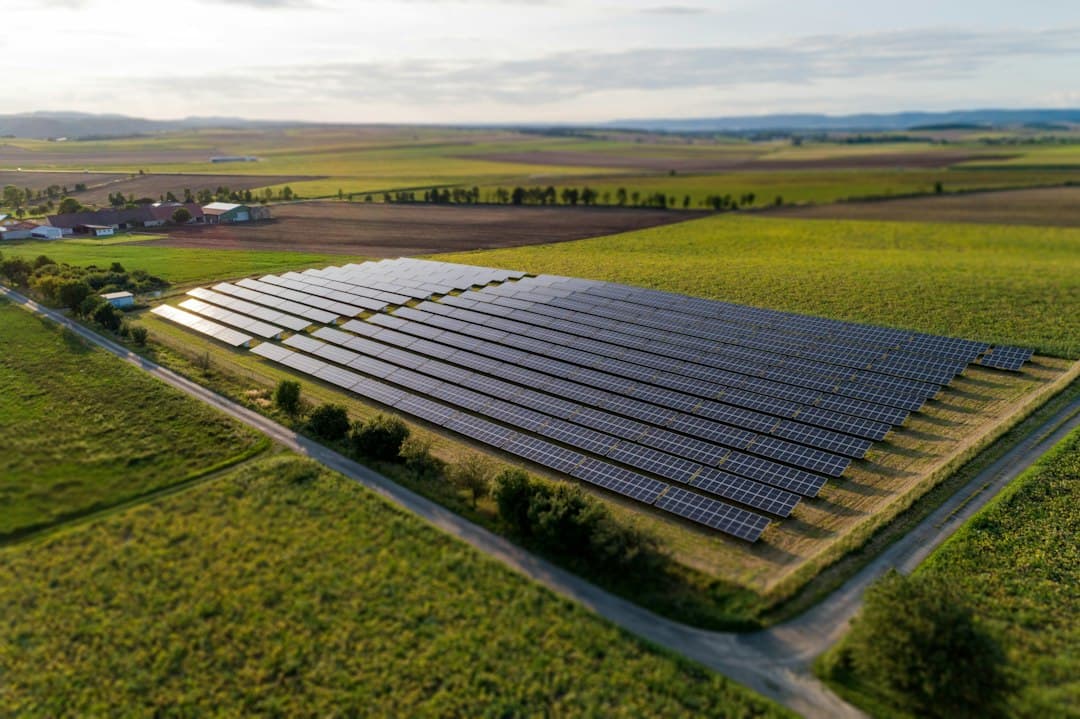
Eighty-five gigawatts. That is roughly what the United States is on track to add to its electrical grid over the next twelve months, and nine out of every ten of those watts will come from solar, wind and batteries. Natural gas gets the leftovers. Coal gets nothing at all, according to preliminary Energy Information Administration data cited by Bloomberg Opinion.
None of this was supposed to happen. The tax credits that powered a decade of renewable build-out expired for wind and solar on July 4, unless developers had already broken ground, under the One Big Beautiful Bill Act, as pv magazine USA reported. Washington spent the better part of two years dismantling the financial support for exactly the technologies now flooding onto the grid. And yet clean energy capital spending hit $74 billion in the first half of 2026 and is tracking toward a record $180 billion for the full year, according to a mid-year report from fintech firm Crux, cited by OilPrice.com. That would top last year's already record $155 billion, per Renewable Energy Magazine's coverage of the same report.
The explanation is not political goodwill. It is electricity demand that has outrun the grid's ability to supply it, and a fossil fuel market too slow and too expensive to close the gap in time.
Batteries, not ballots
The clearest evidence sits in the storage numbers. U.S. utility-scale battery capacity has reached 52 gigawatts after three straight years of roughly 70 percent annual growth, with 8.3 gigawatts added in just the first six months of 2026, OilPrice.com reported. Grid operators have another 54 gigawatts queued for delivery through 2028. Markets are pricing in the trend: the Global X Lithium & Battery Tech ETF (LIT) closed at $76.61, up +2.72% on the session, while the Global X Uranium ETF (URA) jumped +5.09% to $46.07 as investors bet on every non-fossil source of new power at once.
The demand side of the equation has a name, and it is data centers. Hyperscalers building out artificial intelligence infrastructure need power now, not in five years when a new gas turbine might finally clear a permitting queue and a supply-chain backlog. Solar, wind and batteries can go from groundbreaking to grid connection in a fraction of that time. NextEra Energy chief executive John Ketchum put it bluntly to Reuters: renewables and storage remain "the fastest way to get new electrons on the grid until additional gas-fired generation can be built."
Volatile oil and gas markets have sharpened that logic. The war in Iran and the supply disruptions that followed exposed how exposed fossil-fuel-dependent grids can be, adding urgency to utilities' pivot toward technologies whose fuel costs cannot be cut off at a strait or a pipeline valve. Miguel Stilwell d'Andrade, chief executive of Portuguese utility EDP, told reporters the country is living through "one of the best periods to invest in renewables in the US over the last 20 years," a conviction backed by hard capital: EDP is directing roughly $5.3 billion, more than half its total capital budget, toward American renewables projects, according to the same Crux-sourced reporting picked up by Yahoo Finance.
The subsidy cliff nobody fell off
The tax picture is more complicated than "credits expired, investment survived." Crux's data show tax credit monetization across equity, preferred equity and transfer markets is still on pace to reach $70 billion this year, an 11 percent increase from 2025, according to pv magazine USA's summary of the report. Transferable credit volume hit $21 billion in the first half, powered by a record $14.9 billion in the second quarter alone as buyers rushed to close out old tax obligations before new ownership restrictions under the law's "prohibited foreign entity" rules took full effect. Preferred equity structures, meanwhile, more than doubled year over year, as developers found workarounds to the tighter rules governing traditional tax equity.
In other words, the industry did not shrug off the subsidy rollback so much as route around it, using every financial instrument still standing. That resilience has not gone unnoticed on trading floors. The S&P Global Clean Energy Transition Index has been outrunning the broader market, and cleantech companies pulled in $60 billion of equity funding in the first half of the year, the best six-month stretch since the Inflation Reduction Act's early days in 2022, according to BloombergNEF data cited in Bloomberg Opinion. Green infrastructure and clean-tech businesses now make up a $10 trillion global industry by one estimate from the London Stock Exchange Group.
There is a catch worth sitting with. Much of this enthusiasm rides on the presumption that AI power demand keeps climbing without pause, and Bloomberg's own opinion columnist flagged that a downturn in that boom would take a chunk of the renewable investment thesis down with it. The broader energy sector, meanwhile, is trading rich: the Energy Select Sector SPDR (XLE) closed at $63.64, with a 14-day RSI near 71, deep into overbought territory, per market data.
For now, the physics of electricity demand are doing what four years of federal incentive design could not: forcing capital toward whatever generates power fastest. Washington built a policy to slow renewables down. The data centers had other plans.