America has not commercially mined tungsten since 2015. World supply remains dominated by Chinese production and exports, leaving scrap as one of the only domestic sources of the metal, which is used in munitions and other weapons. That single fact explains more about Washington's mineral strategy this week than any of the ribbon-cuttings at the State Department.
On Thursday, the Commerce Department did something odd for an administration that talks constantly about digging more. It decided, instead, to stop letting metal leave. The U.S. Commerce Department said it will block exports of tungsten scrap and battery waste, part of a push to boost the domestic recycling industry and critical mineral production. A day later, President Trump stood before more than 200 mining executives and announced $3 billion in new project financing, calling the country a reborn "minerals superpower." Both moves came from the same White House, in the same week, aimed at the same problem — and they reveal a government that no longer believes new mines can arrive fast enough to matter.
That's the story underneath the headlines: Washington has quietly split its critical-minerals policy in two. One track funds the decade-long project of building mines and refineries. The other, newer and more urgent, tries to freeze in place the scrap, batteries and industrial waste the country already has, because the clock on Chinese dependence is running out faster than any drill rig can turn.
The scrap lockdown
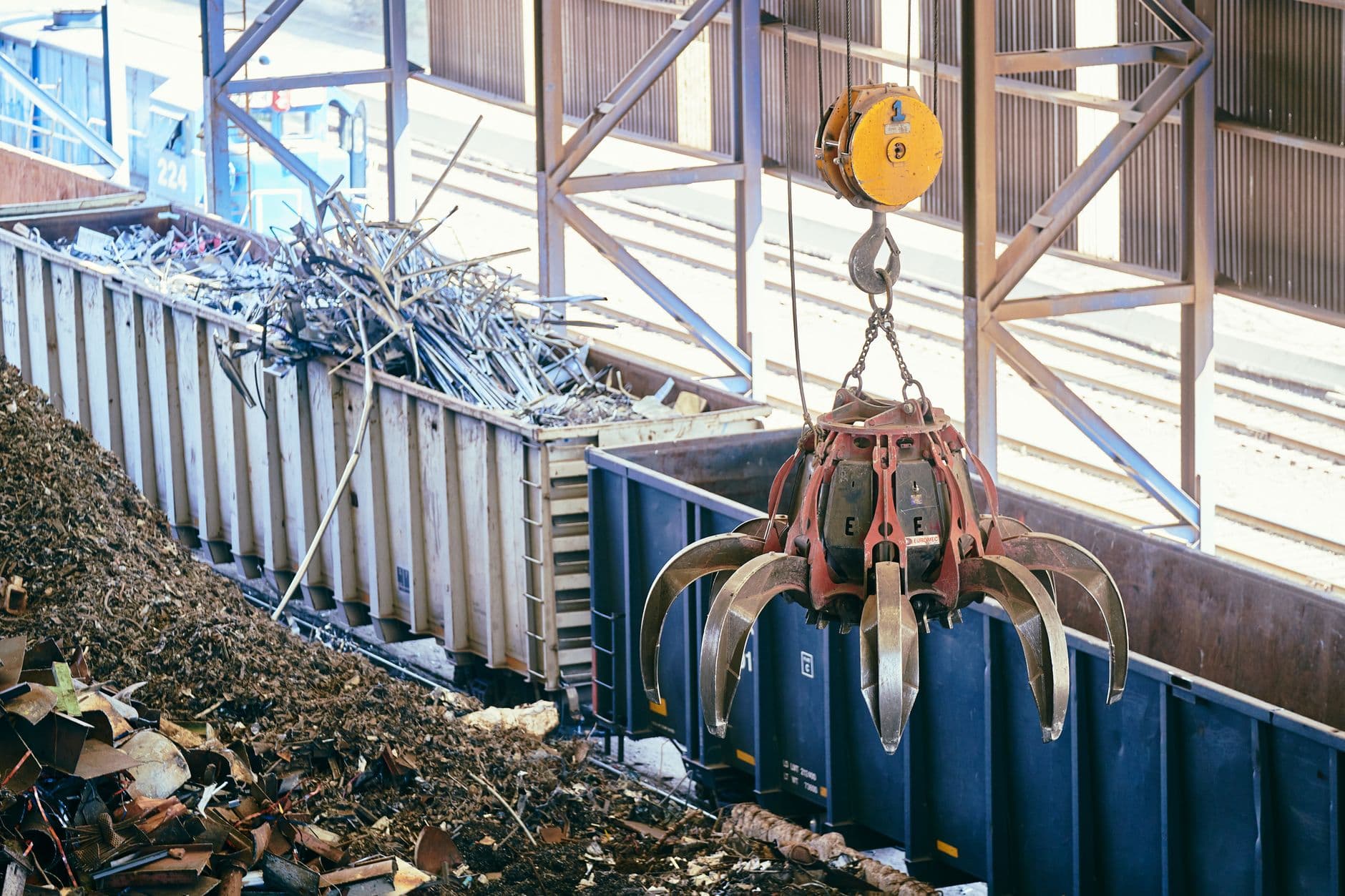
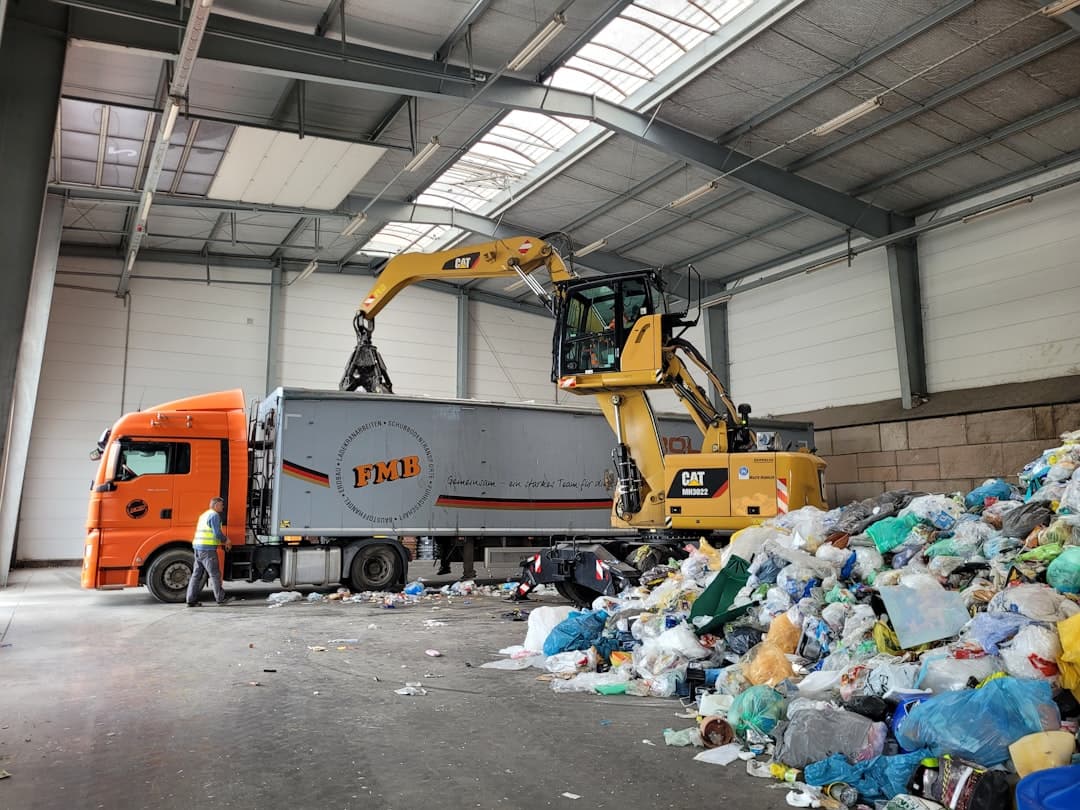
The tungsten and battery-waste rule is narrow but telling. Under the measure, starting August 27, a "US person" selling black mass or tungsten waste and scrap must allocate 100% of their monthly sales to other US "persons" unless BIS grants an adjustment or exception. It runs for a year, invoked under the same Defense Production Act authority Trump used on July 30 when he signed a measure that gives officials authority under the Defense Production Act to implement export restrictions on some industrial waste in a bid to retain critical minerals and rare elements contained in those products.
The urgency has a specific expiration date. Under current federal rules, U.S. defense contractors and other manufacturers have until January 1, 2027 to cease purchasing rare earths, magnets, tungsten, molybdenum, and tantalum from China, Russia, Iran, or North Korea. That's five months away. A processing plant is not something you build in five months. Scrap already sitting in American warehouses, though, is something you can simply stop shipping to Shenzhen.
Even the people the ban is supposed to help are lukewarm. Ryan McAdams, chief executive of the tungsten recycler Amermin, welcomed the move but didn't pretend it solved anything. "This ban is a band-aid," he said. "It's going to buy us more time, but we've got to start building up the infrastructure here stateside." His own company is a case study in the gap between announcement and output: it received an $11.5 million Energy Department grant last year that has not yet received, and the company's commercial recycling facility would have opened at least six months ago if it had access to those funds, McAdams said.
The mine-building theater runs in parallel
None of this stopped the administration from throwing a parallel celebration for the mine-and-mill crowd a day later. Trump told the roundtable "critical minerals are the raw materials of American strength that power everything from advanced weaponry to automobiles, and we want these essential products to be mined, refined and made right here in the USA." The money behind the rhetoric was real: the Defense Department's Office of Strategic Capital signed a $1.4 billion conditional loan with battery-materials maker Sila Nanotechnologies, plus $400 million for scandium miner Sunrise Energy Metals and $150 million for magnet developer Niron Magnetics, while the Export-Import Bank added $58 million across three smaller firms, according to Reuters.
But scale the money against the hole it's trying to fill and the mismatch is stark. Reuters' own reporting, built on interviews with 16 industry executives, investors, analysts and policymakers, found widespread skepticism that the domestic mining and processing industry can meet that timeline. The magnet market makes the point bluntly: nearly all of the rare earth magnets the U.S. consumes are imported, with domestic production only beginning to come online — a demand-supply gap the consultancy Arthur D. Little expects to persist even as new capacity is built. Every dollar announced this month narrows it only at the margins, and no press conference closes it.
Copper tells the same story with a price tag attached. Futures in London pushed past $14,000 a ton this week, with a surge in shipments to the US and rising orders in China setting the stage for a rally that could take global benchmark prices to all-time highs, as futures pushed past a ceiling breached on only a handful of days this year. COPX, the copper-miners ETF, has more than doubled off its price a year ago, according to market data, trading near $88.03 as of Friday. Two governments are competing for the same finite stockpile of refined metal — the exact behavior the tungsten rule is trying to enforce by law rather than by bidding war.
Our own claim-filing data suggests the mining side of the equation hasn't caught up to the rhetoric either. ClaimWatch records show new federal mining claims running at 5,991 in December, easing to 4,154 in January, 3,727 in February, and settling near 4,480 in March and 3,996 in April — steady, unspectacular staking activity, not the surge you'd expect if operators believed new discoveries could reach production before the 2027 deadline.
The counter-argument deserves its due: $3 billion is real capital, and loan commitments to Sila and Niron could eventually put tonnage on the ground. But "eventually" is the word doing the work. Export bans on scrap take effect in nineteen days. Mines take years. When a government reaches for Cold War emergency powers to control what its own citizens sell to each other, it isn't projecting strength — it's admitting the shovels won't get there in time. The real test of America's mineral independence won't be decided at a ribbon-cutting in Nevada. It will be decided in a Commerce Department warehouse, counting what's already inside the fence.