Technology
Machines That Think Underground
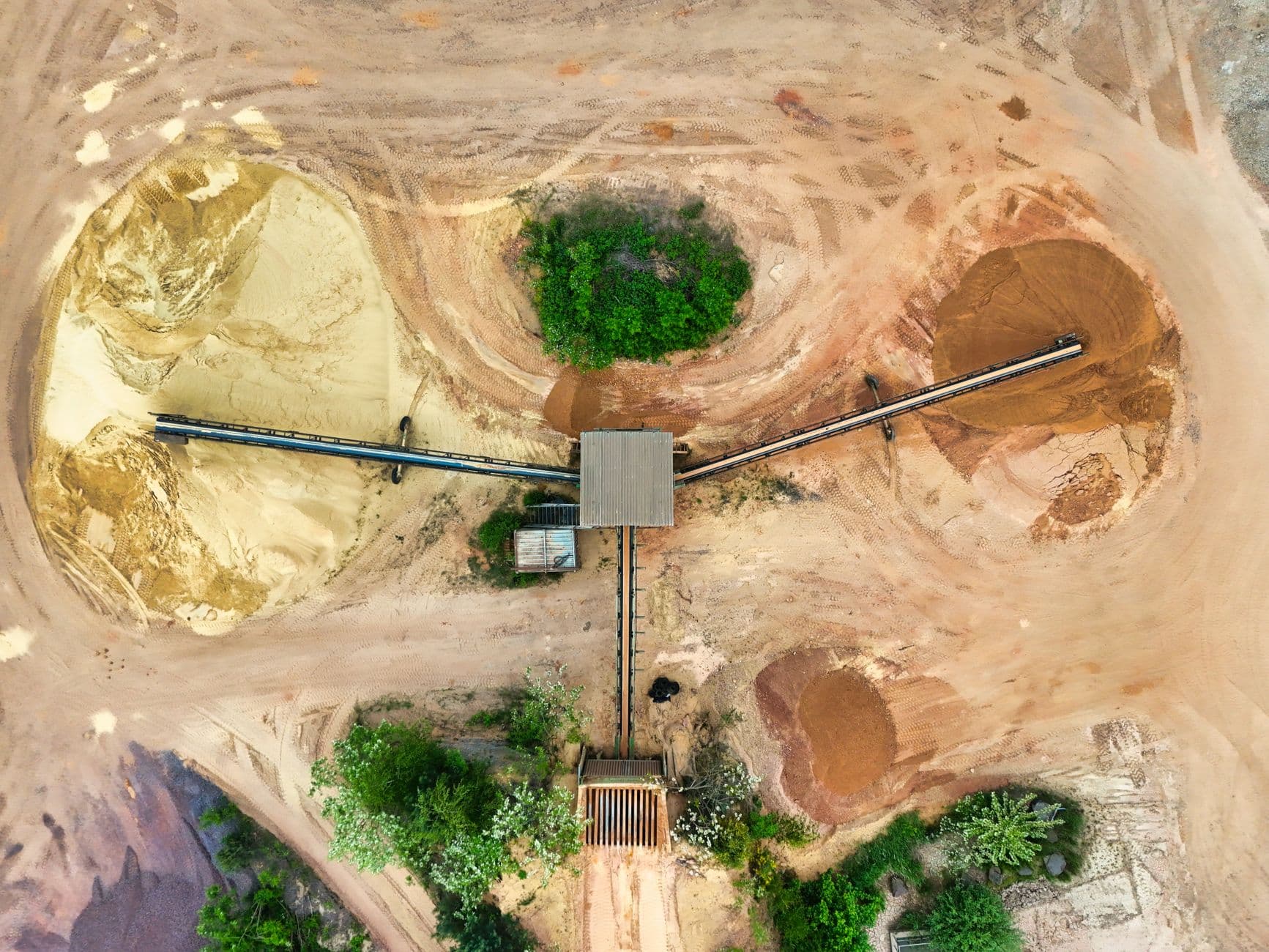
From autonomous haul trucks to AI-guided drill bits, automation is rewriting the economics of resource extraction—and the race to deploy it is accelerating faster than most operators expected.
AI and data-center buildouts, smart-grid investment, semiconductors, digital twins, and the technologies reshaping how energy is produced, moved, and traded.
Edited by the Stake & Paper Editorial Team — 173 stories in the archive, updated daily.
Subscribe to TechnologyTechnology is reshaping every layer of the energy and mining industries, from AI-driven seismic interpretation and autonomous drilling to the massive data center buildouts straining power grids. Our technology coverage tracks digital twins, smart-grid infrastructure, semiconductor supply chains, and the software platforms enabling real-time operational decision-making. This section follows the innovations and the infrastructure investments that connect the digital economy to the physical energy system.
Data centers could consume 1,050 TWh by year's end—enough to rank fifth globally if they were a country. Now grid operators are threatening to cut power to AI facilities during peak demand.
From autonomous haul trucks to AI-guided drill bits, automation is rewriting the economics of resource extraction—and the race to deploy it is accelerating faster than most operators expected.
USA Rare Earth finalizes CHIPS Act funding, Hycroft unveils $4.3B Nevada project economics, and copper supply concerns deepen as Goldman slashes forecasts.
Database startup Supabase raised $500 million at a $10.5 billion valuation as AI coding tools reshape how software gets built—and who builds it.
GitHub Copilot paused new sign-ups in May while Cursor hit $2 billion ARR. The AI coding assistant market is no longer a monopoly—and the battle lines reveal who's winning the race to automate software development.
Every unpatented mining claim across all twelve BLM states. Leadfile audits, due diligence, site selection, regional prospecting, entity investigations, and AOI monitoring — delivered as complete report packages.
Anthropic filed for a near-trillion-dollar IPO days after its cybersecurity model rattled the White House. Now Washington is scrambling to write rules for an industry that just rewrote the threat landscape.
Broadcom's AI chip forecast missed by $1.2 billion and erased $270 billion in market value. The real story: memory shortages and Chinese circuit boards are reshaping who controls the AI hardware stack.
Energy companies are racing toward 50% autonomous operations by 2030, but the same AI driving efficiency gains is also supercharging fossil fuel extraction—and complicating the natural gas price outlook.
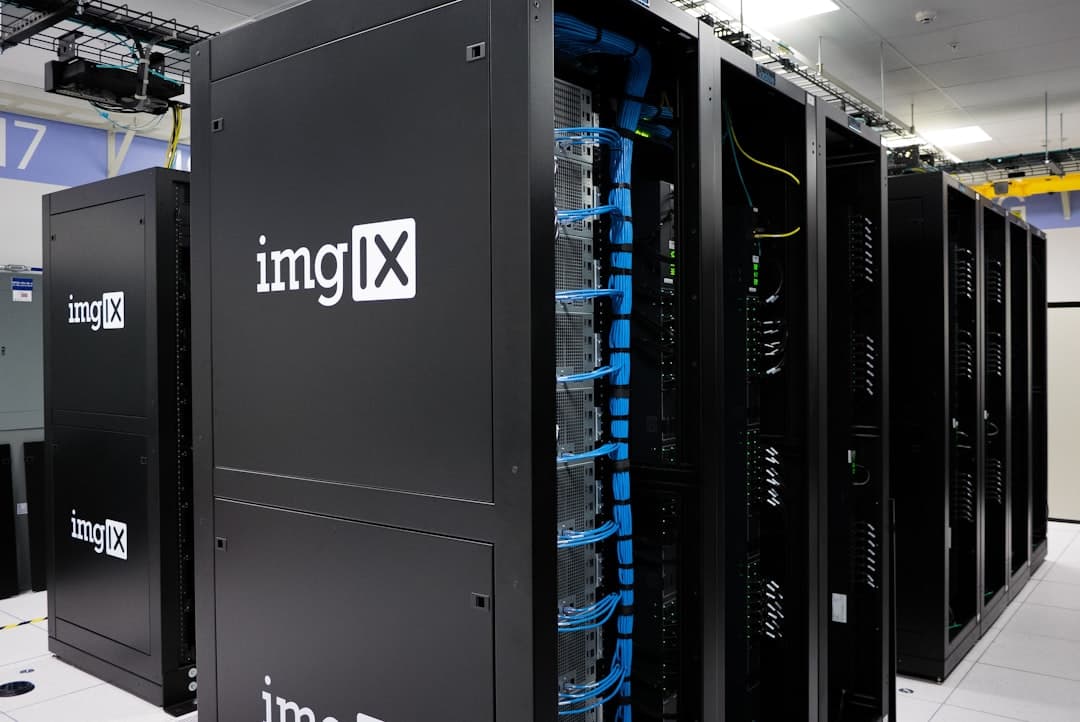
Data centers are driving a natural gas boom, but the same AI revolution may cap the price gains producers were counting on through unprecedented efficiency improvements.
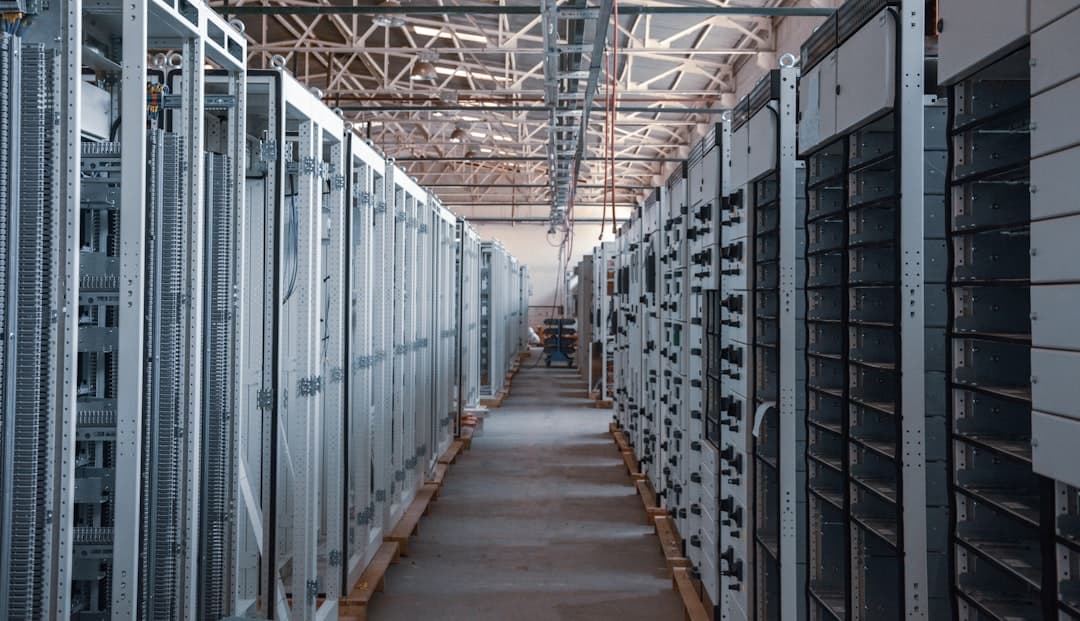
Microsoft ships seven in-house models to escape OpenAI's shadow, Meta monetizes AI agents for the first time, and Morgan Stanley opens its wealth funnel to autonomous bots—all in 48 hours.
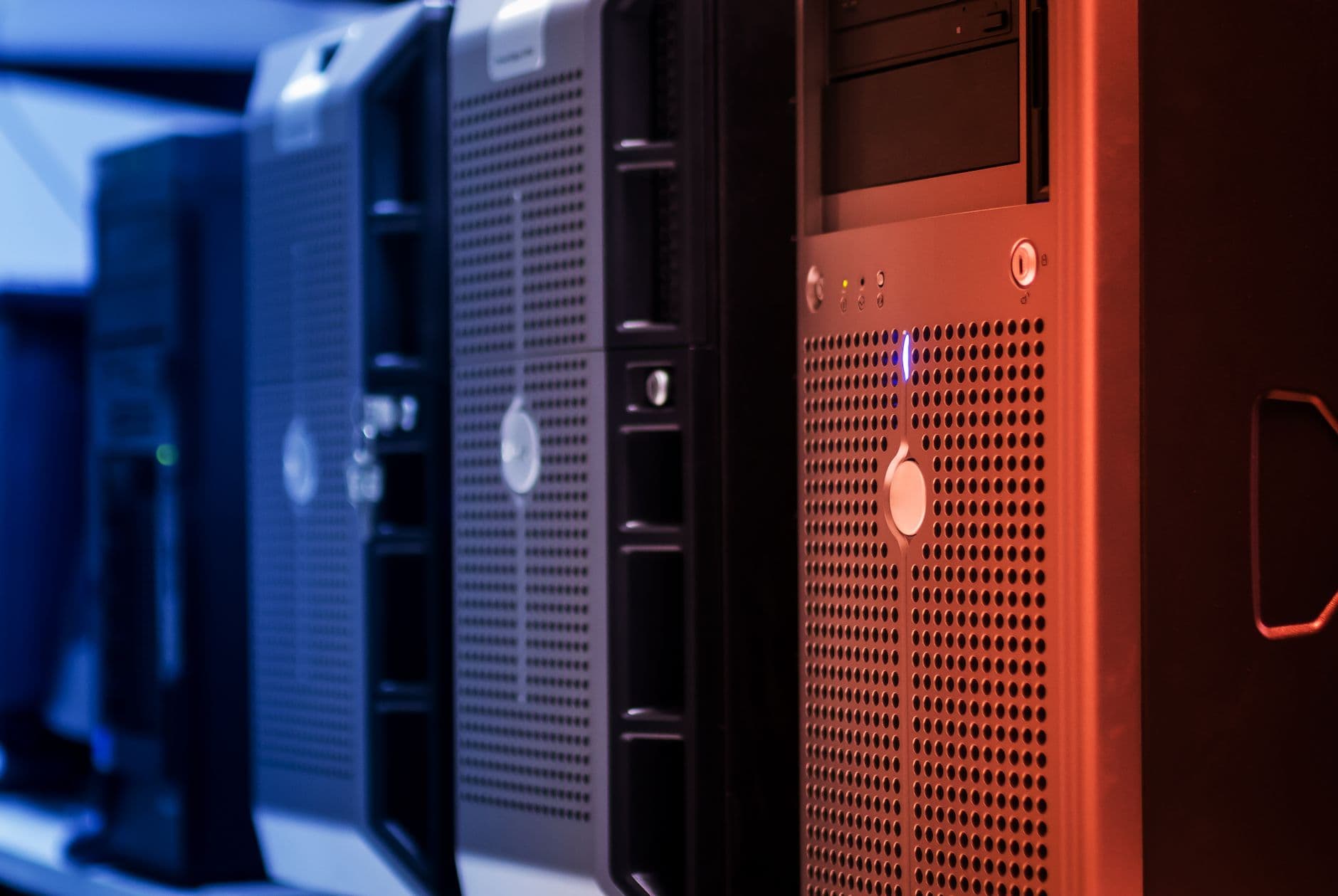
Data centers are poised to consume 6 billion cubic feet of natural gas daily by 2030, yet Henry Hub prices keep falling. The AI boom is rewriting the rules of energy demand—just not the way bulls expected.
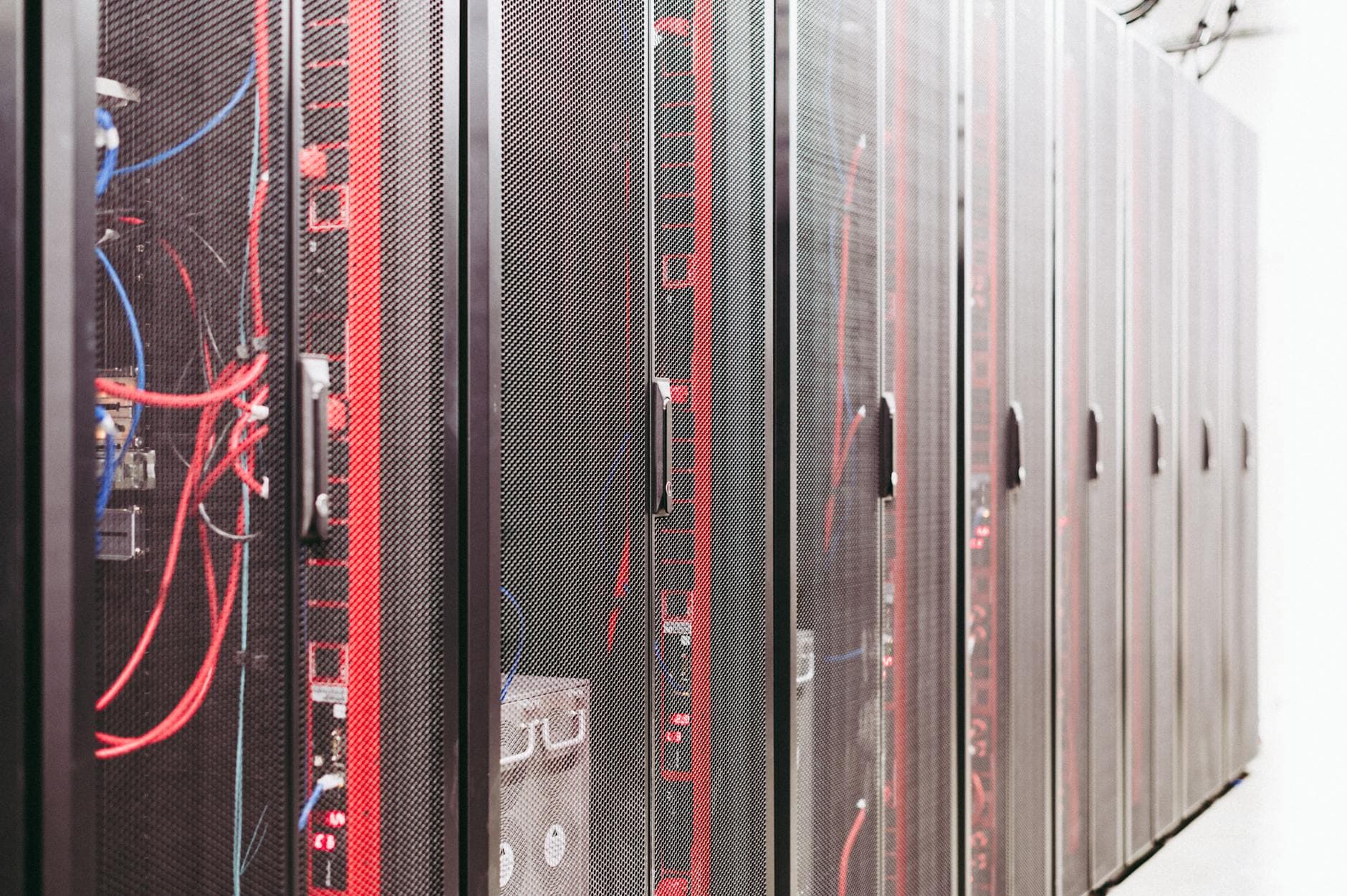
Microsoft unveiled seven proprietary AI models this week, marking its most aggressive move yet to compete independently of OpenAI. Meanwhile, Anthropic's $965 billion valuation and Nvidia's PC chip push are redrawing the competitive map.
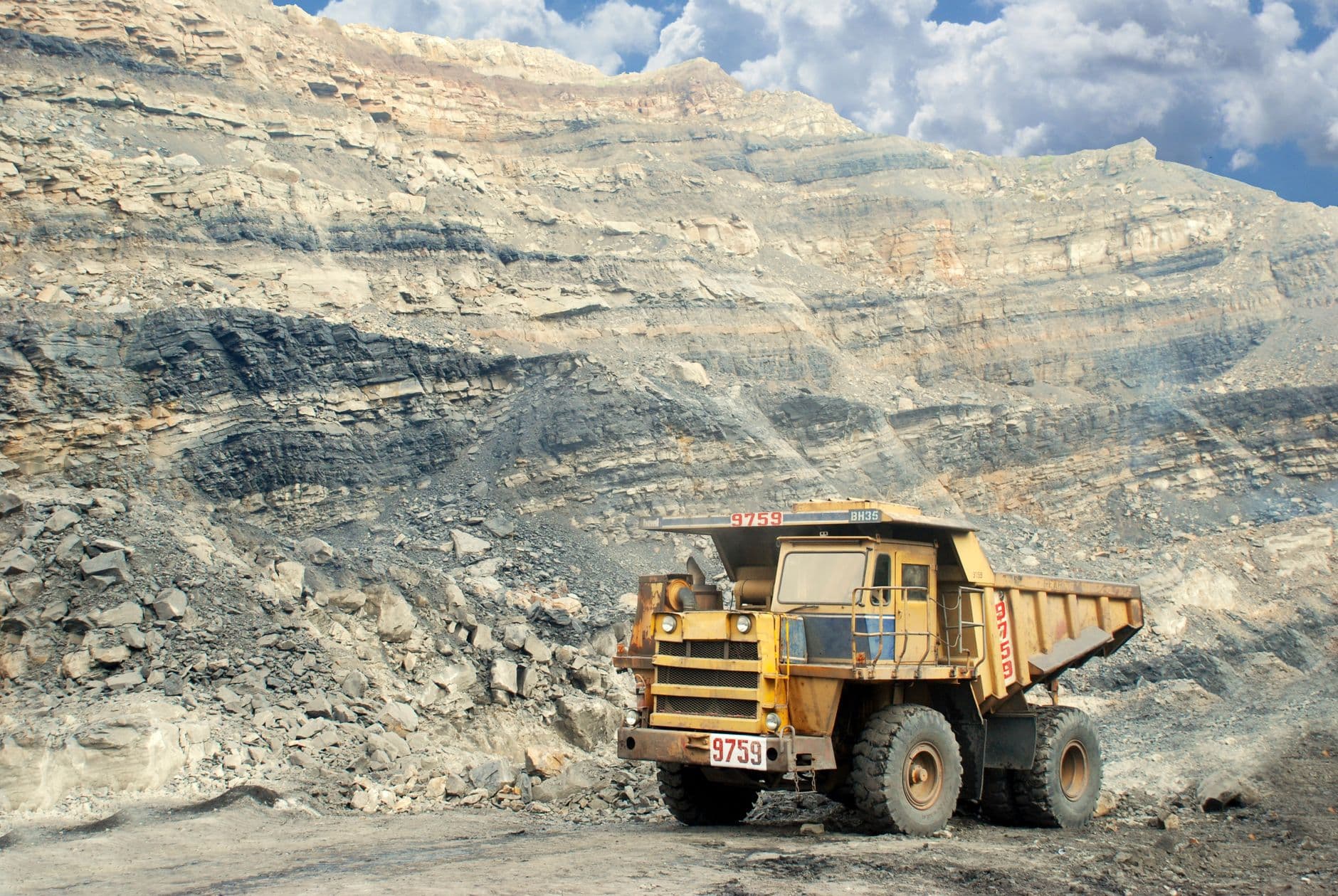
Canadian producer DPM Metals announces high-grade porphyry discovery near its flagship Chelopech mine, while Tintina secures $91M for Chile copper-gold project and Elliott pushes Northern Star toward strategic review.
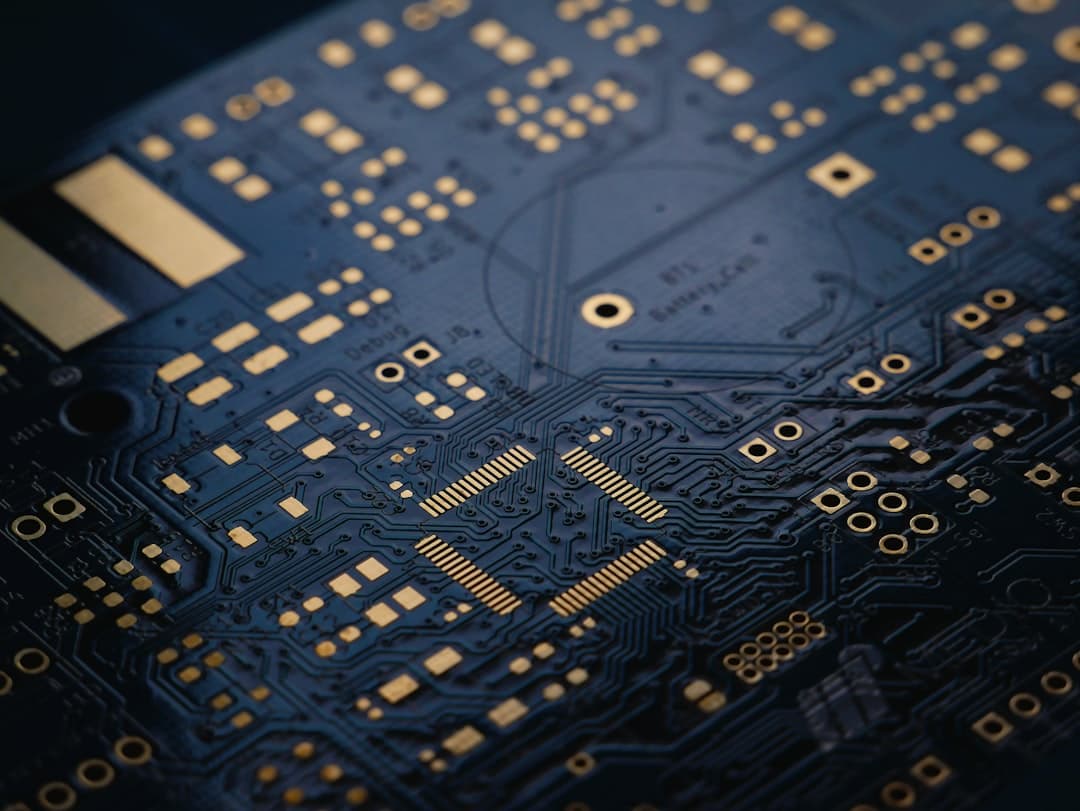
High-bandwidth memory is now the chokepoint for AI hardware, not chips. HBM shortages are driving DRAM prices up 80%, squeezing consumer electronics, and reshaping the economics of inference.
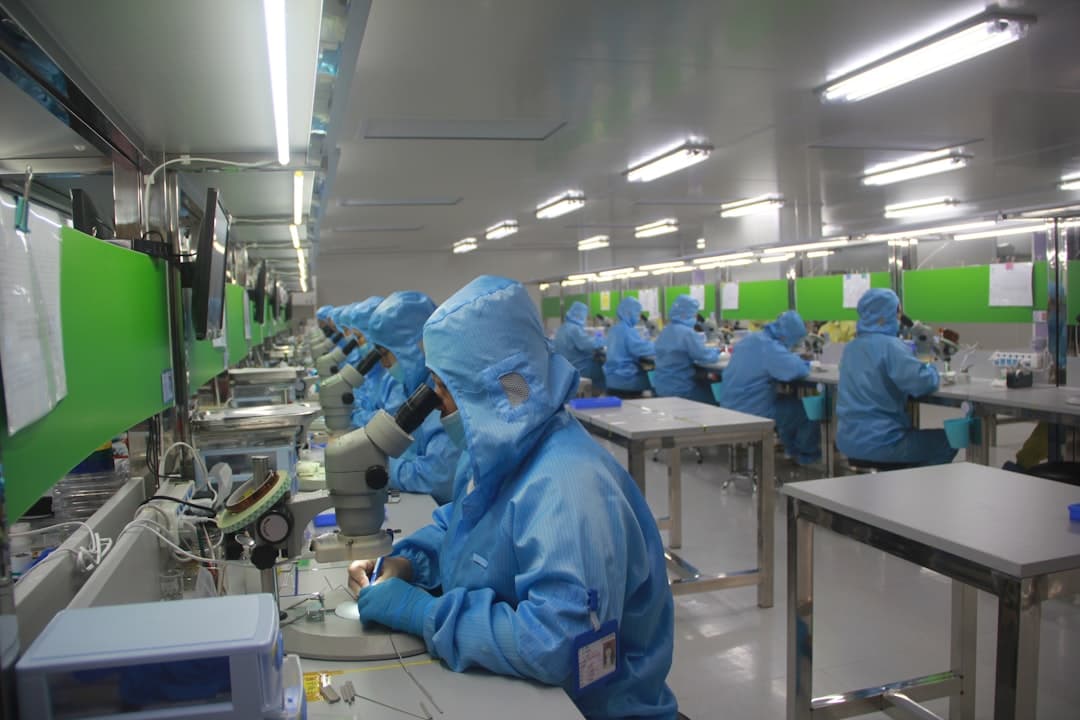
High-bandwidth memory is sold out through 2026, and the companies that make it—Samsung, SK Hynix, Micron—now hold more power over AI's future than the chip designers themselves.

LiDAR point clouds are processed through a systematic workflow of noise filtering, ground point classification, and interpolation to create bare-earth terrain models used for siting and designing energy infrastructure.
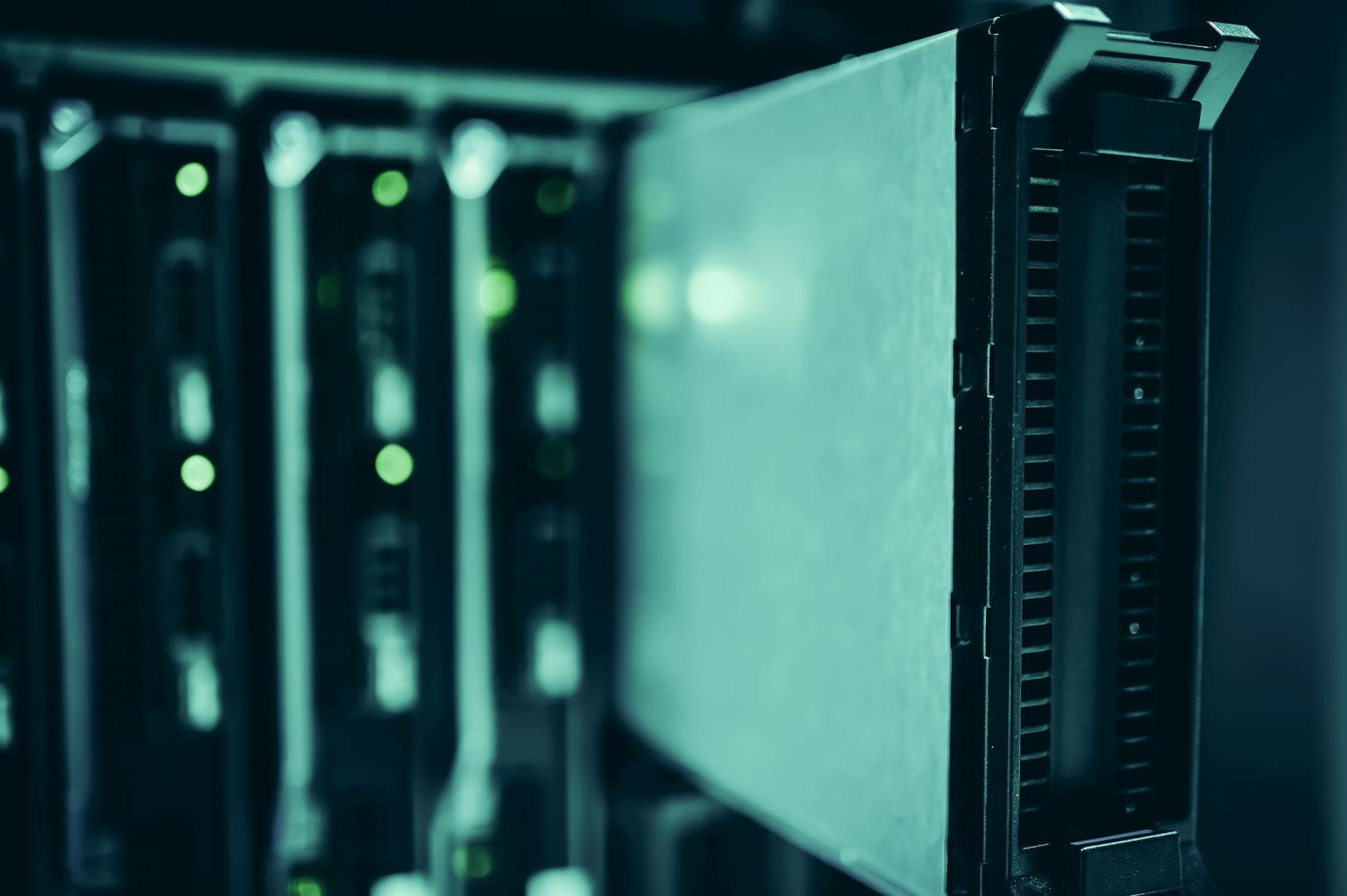
Microsoft unveiled seven proprietary AI models at Build 2026 to reduce OpenAI dependence, while Florida became the first state to sue OpenAI and Sam Altman personally. Markets are in 'greed mode,' Goldman's CEO warns, as trillion-dollar IPOs loom.
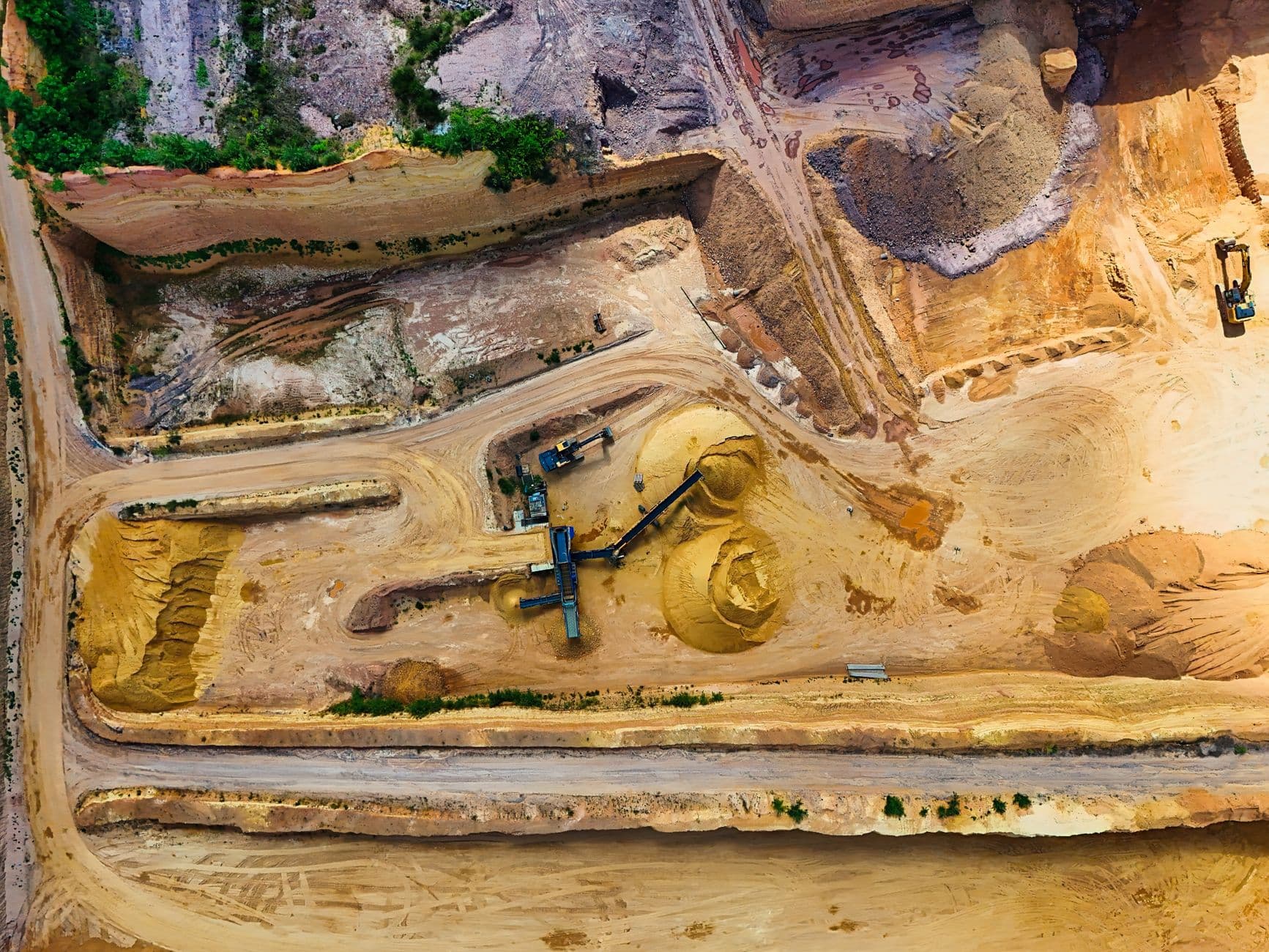
Cameco increases ownership of world-class uranium mine as nuclear demand surges, while Barrick weighs $30B African merger and activist Elliott targets Northern Star.
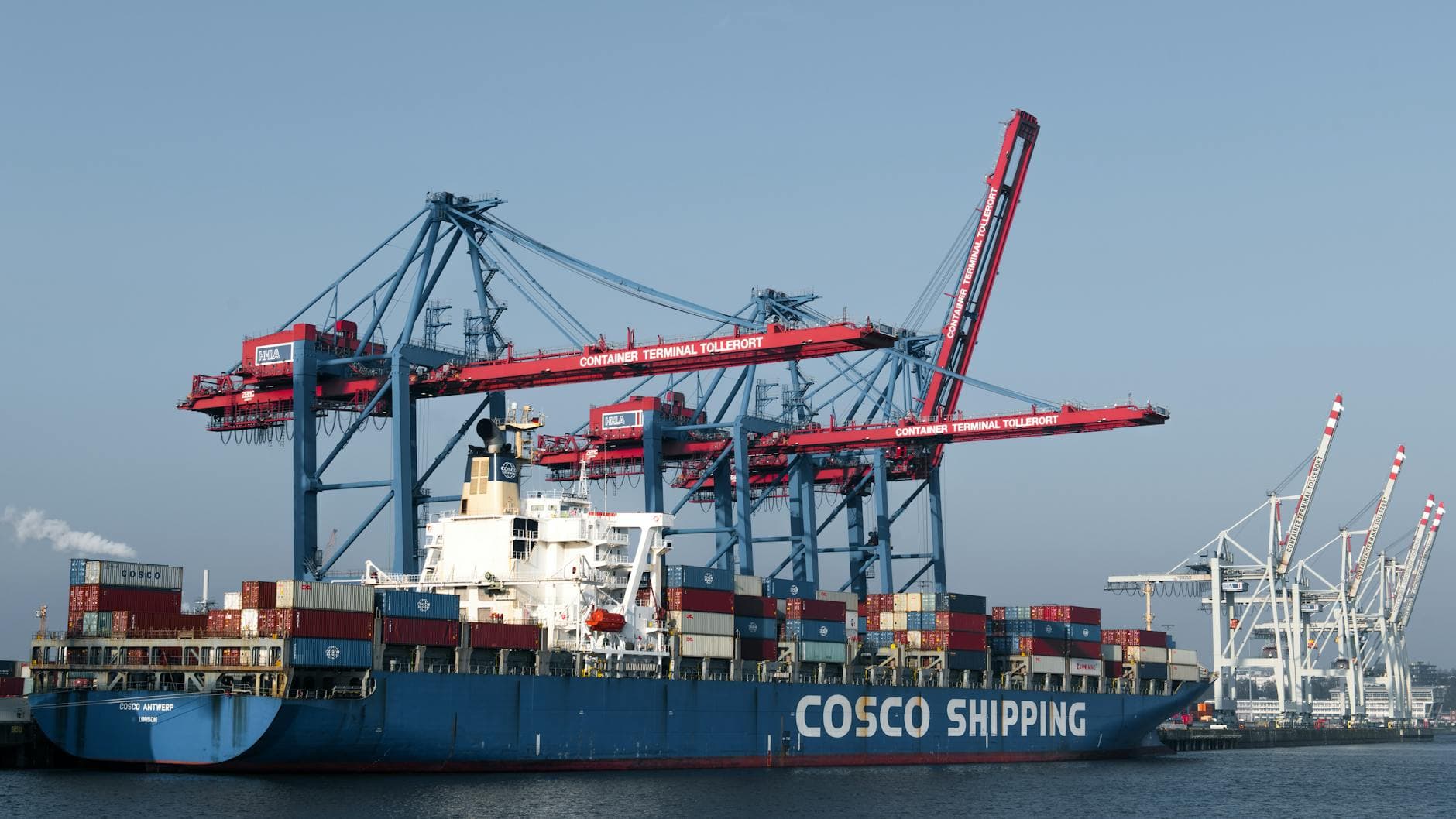
Anthropic filed for an IPO Monday at a near-trillion-dollar valuation. Microsoft counters at Build with a Copilot super app. The AI coding wars just went nuclear.
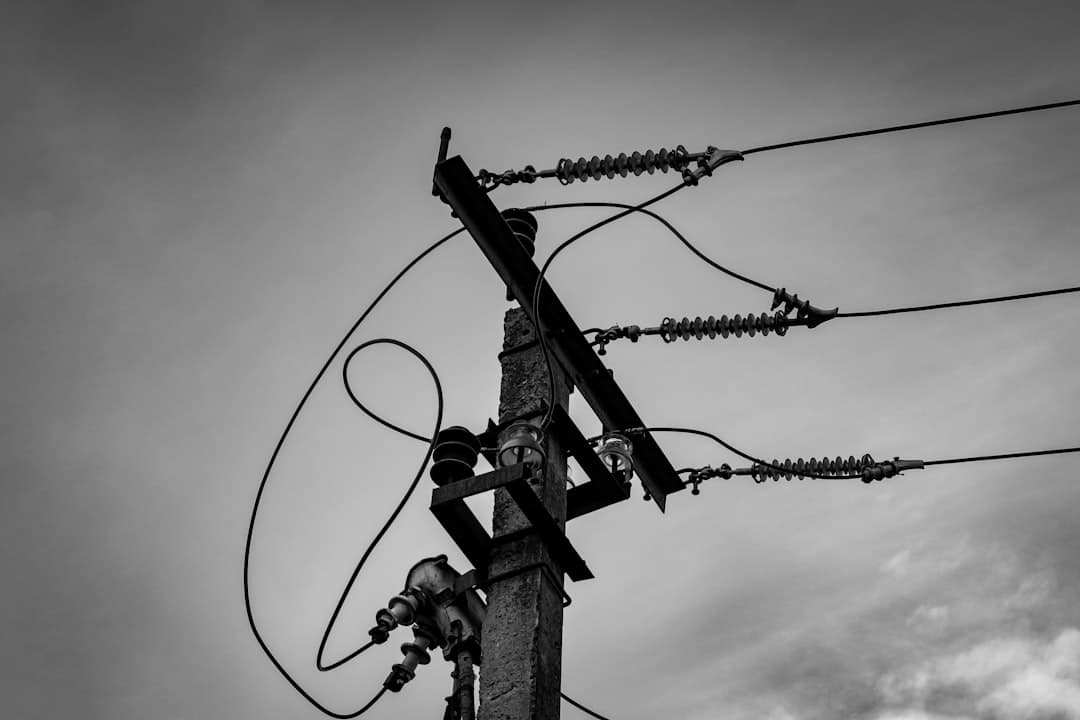
Natural gas turbine orders hit a 25-year high as data centers scramble for power. But the real bottleneck isn't chips—it's the infrastructure to run them.