Tuesday, July 21, 2026Vol. III · No. 202Subscribe
The Mining, Energy & Technology Wire
Mining · Analysis

Copper Rallies as Lithium Slips

China's copper imports hit a nine-month high while lithium prices slide, Zimbabwe opens a rail corridor for battery minerals, and the IEA warns that rare earth curbs could threaten $6.5 trillion in Western production.

Copper Rallies as Lithium Slips
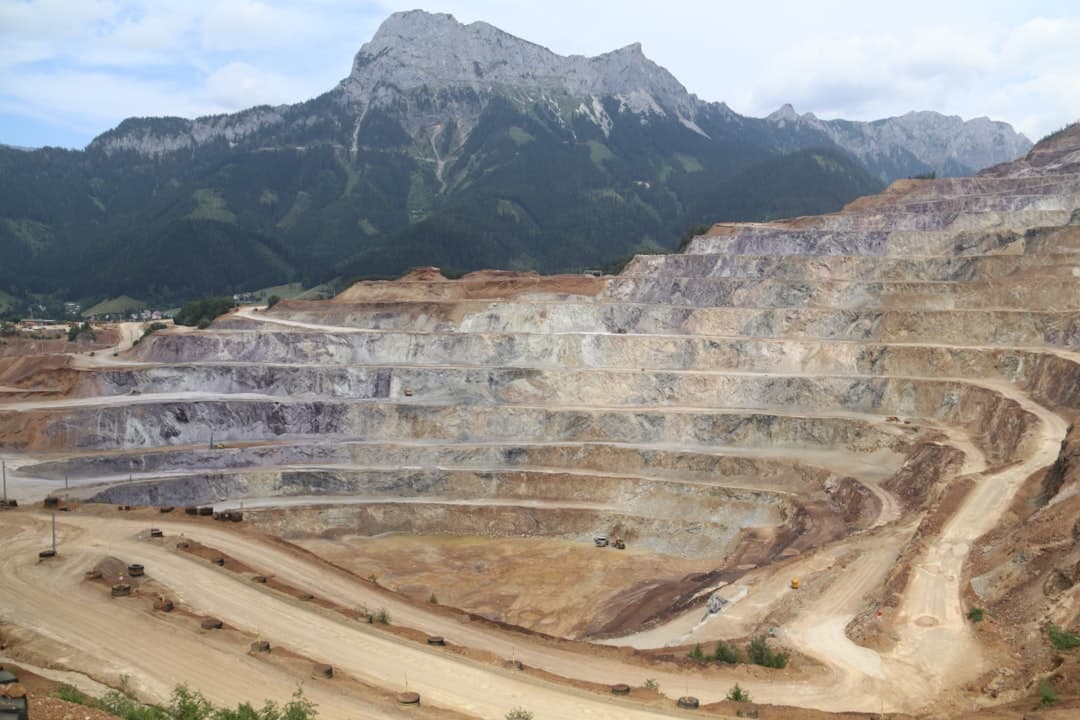
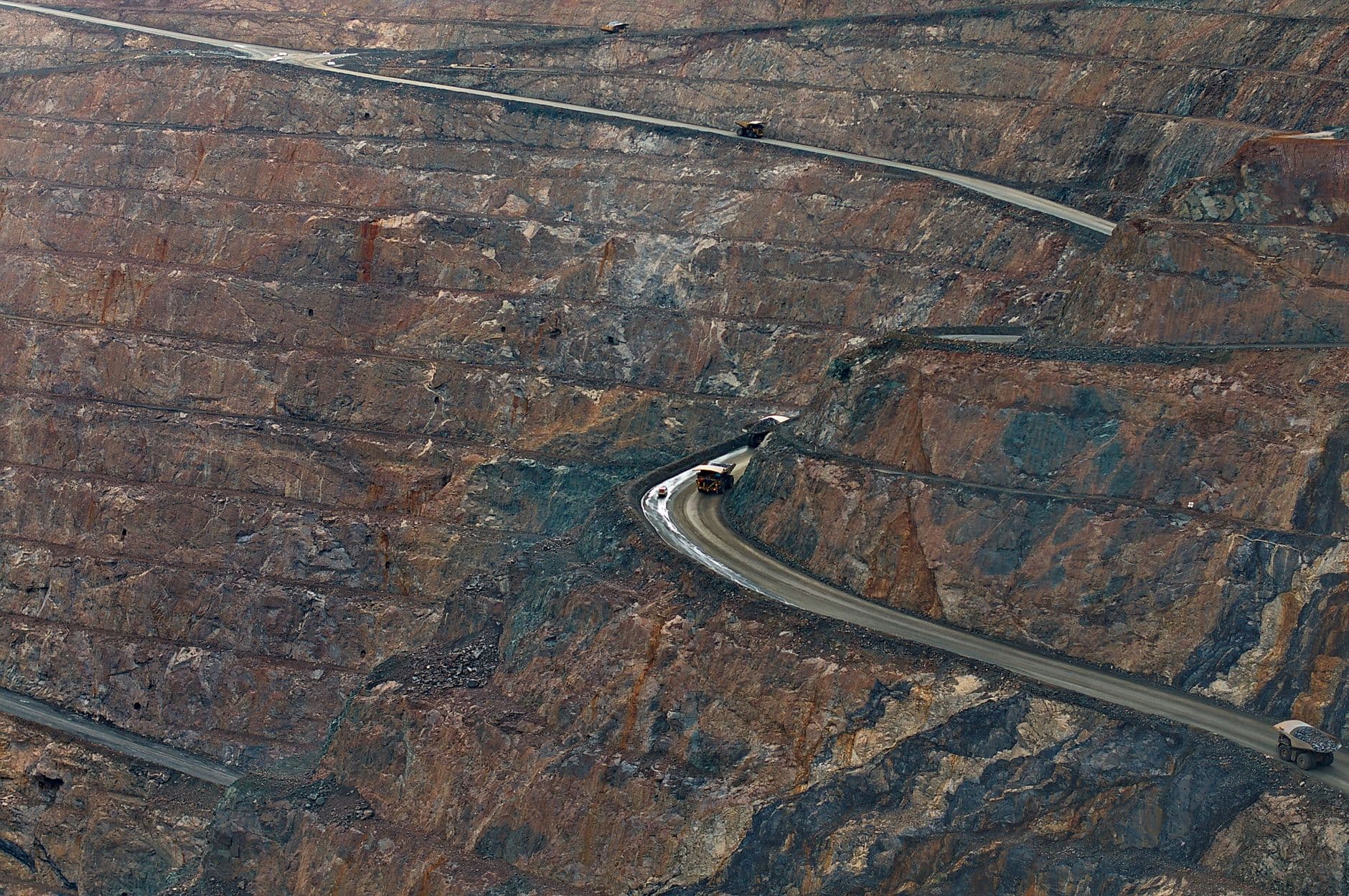
PhotographChina's copper imports hit a nine-month high while lithium prices slide, Zimbabwe opens a rail corridor for battery minerals, and the IEA warns that rare earth curbs could threaten $6.5 trillion in Western production.

A closely watched gauge of China's copper market hit $100 per ton on Friday—the highest in more than a year—as a tax crackdown on scrap metal spurred a shortage and boosted demand for imports , according to data from Shanghai Metals Market. China's copper concentrate imports in June stood at 2.335 million tonnes, edging up 0.03% year-on-year, with cumulative imports for the first half reaching 14.609 million tonnes , customs data showed. The premium spike signals that Chinese smelters are competing harder for material even as Chile's copper output from major producers fell sharply in May, with Codelco down 18.3% year-on-year to 106,300 tons and BHP's Escondida dropping 17.6% to 108,800 tons , according to state copper commission Cochilco.

Meanwhile, lithium told a different story. Lithium carbonate fell to 144,000 yuan per tonne on July 21, down 4.95% from the previous day and 8.28% over the past month , Trading Economics reported. The -0.80% gain in the Global X Lithium ETF on Monday reflected a bounce from recent weakness, but battery-grade lithium carbonate has eased to about 151,500 yuan per tonne in China, with traders reporting limited appetite for aggressive restocking as seasonal production from Qinghai salt lakes bolstered availability .

Can Zimbabwe Build a Minerals Hub Without China?

Zimbabwe commissioned a $1.5 million lithium transshipment rail siding in West Nicholson on Sunday, dispatching its first consignment of lithium concentrate from Gwanda to the Port of Maputo in Mozambique , the Zimbabwe Herald reported. The facility, developed through a partnership between Beitbridge Bulawayo Railway, Silvergill and the National Railways of Zimbabwe, is designed to handle lithium concentrates as well as chrome, ferrochrome and iron ore .

The timing is deliberate. In 2025 alone, Zimbabwe exported approximately 1.13 million metric tons of lithium concentrate to China, accounting for about 15% of Chinese imports of the critical mineral . Yet the government's February 2026 ban on all raw mineral ore and lithium concentrate exports signals a more assertive push toward local beneficiation and value capture, striving to move Zimbabwe's lithium sector beyond upstream extraction toward midstream processing , according to a Boston University Global Development Policy Center report. The rail siding offers a way to move processed material—if the processing plants materialize. Lithium sulphate plants are being developed at Bikita Minerals and Prospect Lithium Zimbabwe, with Huayou announcing it had started building a 50,000-tonne per year lithium sulphate plant , Mining Weekly noted.

The contradiction is stark: Zimbabwe wants to break free from raw-material dependence, but Chinese companies are responsible for approximately 60% of the world's lithium refining capacity and 70% of lithium-ion battery production . Building a rail line to Maputo doesn't solve that problem—it just makes the export more efficient.

What's Really Behind Chile's Copper Collapse?

Chile's copper woes run deeper than weather. Escondida, the world's largest copper mine, produced 1,261.2 kt on a 100% basis in fiscal 2026, down 3%, as the concentrator feed grade eased to 0.90% from 1.02% a year earlier , BHP reported. BHP's Spence mine recorded the steepest quarterly decline at 34.4% in Q1 2026, while Codelco's El Teniente fell 26.5% and Collahuasi dropped 19.3% in May 2026 .

A fatal accident at Codelco's El Teniente mine in July 2025, which claimed six lives, triggered significant operational disruptions that extended well into 2026, with El Teniente recording a 29.5% year-on-year output decline in January 2026 . But grade decline—the slow, geological reality that mature deposits yield less copper per tonne of rock—is the structural driver that no amount of capital can reverse quickly. Supplies of sulfuric acid, required for heap-leaching copper oxide ores, have tightened, raising costs across the industry and disproportionately affecting lower-grade deposits where every additional input cost reduces the economic incentive to process marginal ore .

The result: copper prices climbed even as Chile's output fell. According to market data, copper miners ETF COPX surged {{COPX.pct}} on Monday, reflecting supply anxiety more than demand euphoria.
How Serious Is the Rare Earth Threat?

The full implementation of China's rare earth export restrictions could put $6.5 trillion of downstream production outside the country at risk, the International Energy Agency warned on Thursday, after China expanded export controls in October last year to cover additional materials and introduced new licensing requirements . China accounts for around 60% of mined magnet rare earths, over 91% of global refining capacity, and a staggering 94% of sintered permanent magnet production .

The IEA's figure—$6.5 trillion—is not a trade value. It's the annual economic activity that depends on rare earth inputs: automotive manufacturing, electronics, defense contracting, wind energy, and the EV sector all sit squarely in the blast radius . The agency also warned of risks from China's planned export controls on graphite, a key material used in electric vehicle batteries, noting that full implementation could put about $300 billion of downstream production outside China at risk, with China accounting for more than 90% of global processed graphite output .

Western governments are responding, but slowly. Canada and Japan are working on a range of mining projects, including potential joint stockpiling, with Ottawa and Tokyo in talks on options for cooperation including joint mining projects, off-take agreements and stockpiling arrangements for minerals such as graphite and gallium , Reuters reported in late June. New rare earth refining projects in the U.S. and Malaysia reduced China's share of the global market to 85% last year from 90% in 2023, and if planned projects proceed on schedule, that share could fall to 70% by 2035 , the IEA said. That's a fifteen-year timeline—assuming everything goes to plan.

What Changed This Week

Copper and lithium diverged sharply. China's import premium for copper hit a 14-month high as domestic scrap shortages collided with falling Chilean output, while lithium prices slid on ample supply and cautious restocking. Zimbabwe opened a rail corridor for lithium exports just months after banning raw concentrate shipments, underscoring the tension between resource nationalism and infrastructure reality. And the IEA quantified what was already obvious: China's rare earth dominance isn't a supply chain risk—it's a $6.5 trillion economic exposure.

What to Watch

Chile's Cochilco is expected to release June copper production data in the coming weeks; watch whether the May declines persist or stabilize. Zimbabwe's lithium sulphate plants at Bikita and Arcadia are slated to begin trial production later this year—their success will test whether the export ban can translate into genuine value addition. Canada and Japan are expected to finalize terms on their critical minerals stockpiling arrangement by year-end, according to sources familiar with the talks. And the IEA's next Critical Minerals Outlook, due in early 2027, will reveal whether Western processing capacity is closing the gap—or falling further behind.

Original reporting and analysis by the Stake & Paper editorial team. See linked sources within the article.

Share this story

More from Stake & Paper

Was this article helpful?

ClaimWatch

Mining claims intelligence — from query to report, in minutes.

Every unpatented mining claim across all twelve BLM states. Leadfile audits, due diligence, site selection, regional prospecting, entity investigations, and AOI monitoring — delivered as complete report packages.

4.4M+
Claims Tracked
12
BLM States
7
Report Types
Request a Sample Report
Stake & Paper AM

One morning brief. The whole energy sector.

Original analysis, the day's most important wire stories, and market data — delivered before your first cup of coffee. Free.